Bayer Sneaks Special Interest Clause Into Budget Bill, Seeks Liability Shield From Carcinogen
BY JEFF SKINNER
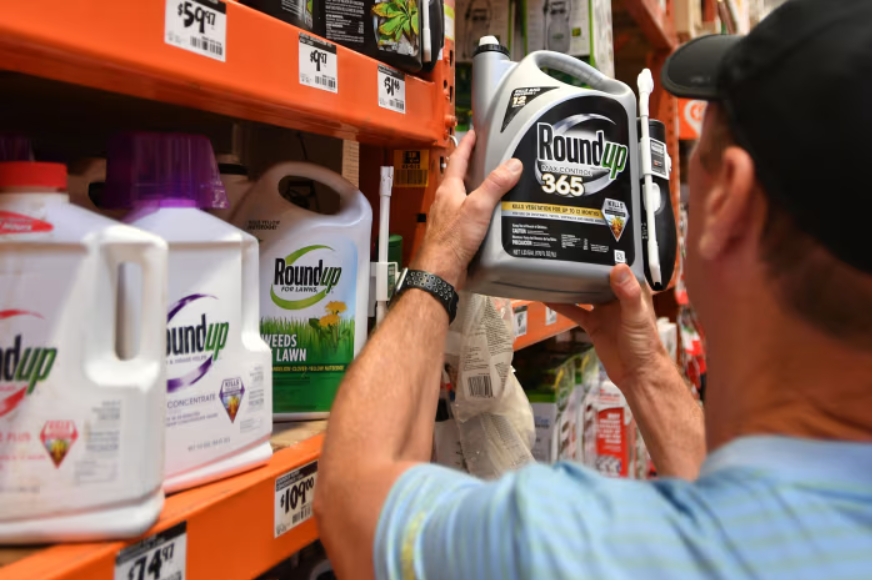
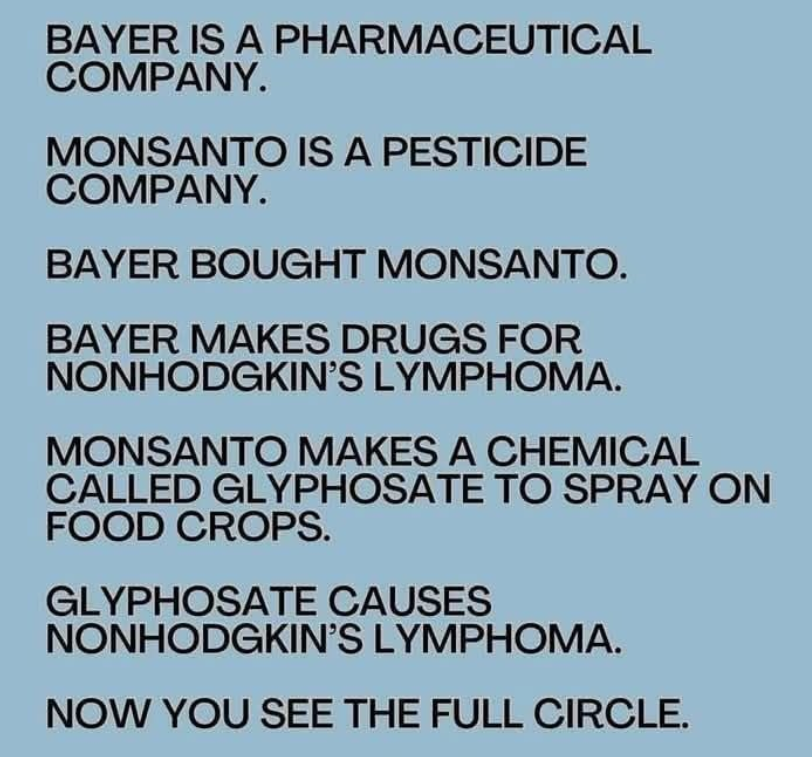
STATEWIDE - In 2018, pharmaceutical corporation Bayer, formally named IG Farbenindustrie AG, purchased agricultural corporation Monsanto and inherited the massive burden of lawsuits surrounding known carcinogen Glyphosate, a regularly used weed killer. Now Bayer is seeking immunity from spiking lawsuits by sneaking in a provision into an EPA funding bill to exclude compounds like Glyphosate from liability.
In July, the House Appropriations Committee pushed through the Interior Environment Spending bill, seeking to make deep cuts into the EPA by nearly 23 percent. While some question the revolving door of the EPA with the corporations it claims to regulate these days and may not see the cuts as a negative, the spending bill also introduces two sections which would severely cripple individuals rights to seek compensation from a known carcinogen still on the market and would block any ‘good actors’ within the agency from conducting future studies which could save lives.
Section 453 within the bill would prevent lawsuits for pesticide companies if the label on the product issued was previously approved by the EPA, regardless of what new evidence is released to contradict the original assessment. In the case of Bayer, who now owns Monsanto, this directly relates to their “Roundup” weed killer product known as Glyphosate. Multiple studies have indicated the pesticide causes multiple forms of cancer development.
“None of the funds made available by this or any other Act may be used to issue or adopt any guidance or any policy, take any regulatory action, or approve any labeling or change to such labeling that is inconsistent with or in any respect different from the conclusion of —
(a) a human health assessment performed pursuant to the Federal Insecticide, Fungicide, and Rodenticide Act (7 U.S.C. 136 et seq.); or
(b) a carcinogenicity classification for a pesticide.”
The company has paid out over $11 billion in settlements to around 100,000 plaintiffs with 63,000 more cases pending as a direct result of their product. The majority of cases surround the fact the label of the product, previously approved by the EPA, does not warn of the risk of cancer with using the product. The change in law from Section 453 would effectively insulate Bayer from future legal action while also allowing them to not alter their label despite the known risks.
It has also been noted, Bayer, a pharmaceutical corporation which purchased Monsanto, also produces drugs used to treat non-Hodgkin's lymphoma, an aggressive form of cancer which Glyophsate causes, such as copanlisib, which it has been trying to market in combination therapies. If the appropriations bill passes, Bayer would be permitted to continue selling Glyphosate without a warning label of the carcinogenic properties and then sell protracted treatment options to the cancer patients they then create.
Additionally, tucked within the spending bill was Section 507, which would block the EPA from finalizing or enforcing new risk assessments for PFAS chemicals, also known as ‘forever chemicals’. PFAS are manufacturing byproducts what are highly toxic and often end up in the food and water supplies through a variety of methods, including the biosolid industry, which uses human waste as fertilizer. Most notably, PFAS came back into the public consciousness during the East Palestine train derailment, which flushed massive amounts of PFAS into the air and water after Norfolk Southern convinced local and state government officials to conduct an uncontrolled burn of vinyl chloride and other container chemicals without actual cause.
The spending bill is being seen as a massive slap in the face to proponents of the MAHA movement, which, given the lack of significant action against vaccine manufacturers, have been told there would at least be significant strides in cleaning up the food and water supply of the nation. Seeing an appropriations bill which seeks to block any tighter inquiries into the continued dumping of PFAS and slathering of the food supply in glyphosate without proper informed consent of the public would perhaps be the final nail in the coffin for the MAHA agenda by limiting the scope and intensity to little more than asking food companies politely to stop using Yellow Dye number 5. According to some reports, the bill needs just two votes to get pushed through and become law.