
EPA and RESA II Give Update on Tremont City Barrel Cleanup; Can They Be Trusted?
BY JEFF SKINNER
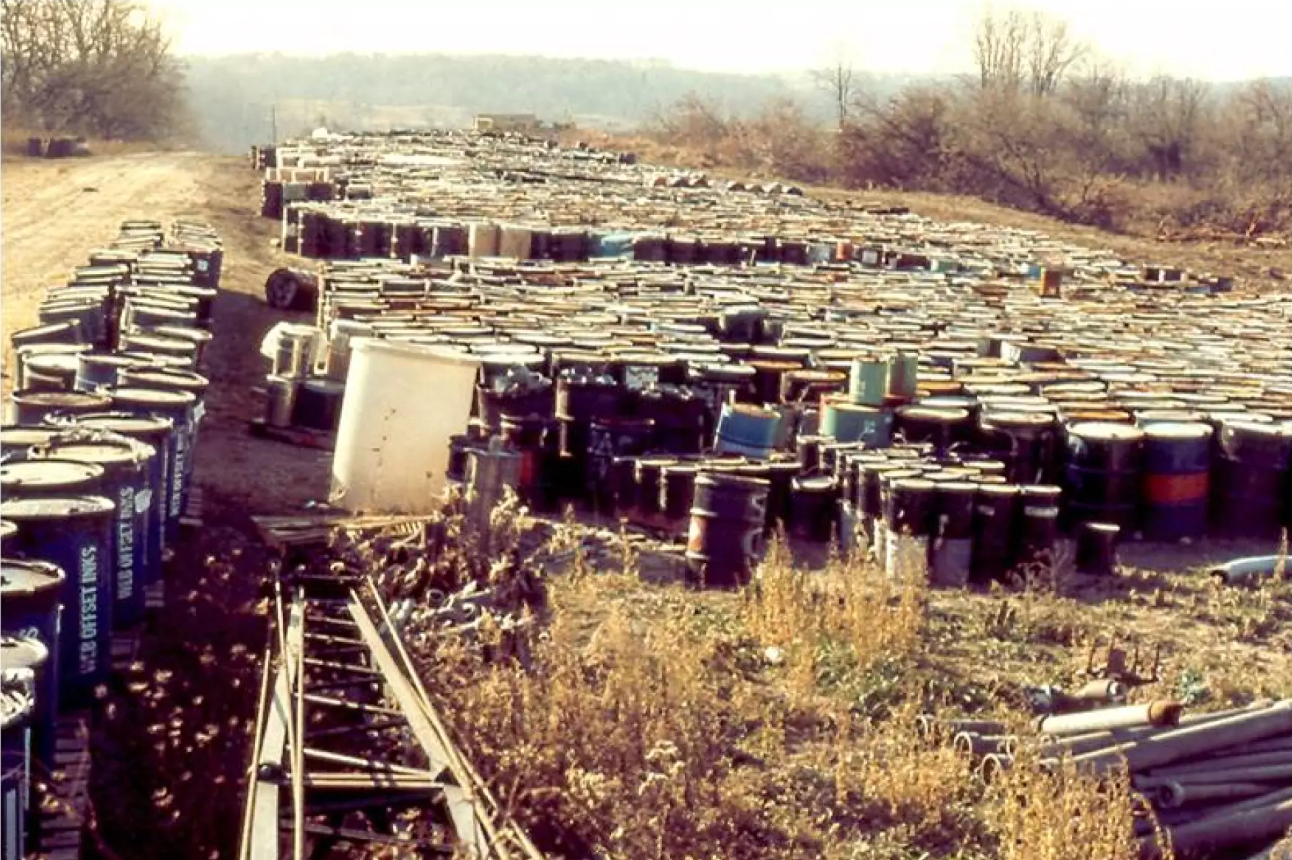
SPRINGFIELD - On Tuesday, August 12, The Clark County Commissioners heard a special report from multiple representatives within the Ohio and United States Environmental Protection Agency, or EPA, regarding the Tremont City Barrel Fill Site, an industrial waste dumping site located in Clark County. In 2011, the Ohio EPA issued a record of decision outlining what would be needed to clean up the site, which contains roughly 51,500 drums of various liquid and solid industrial waste buried several feet above the aquifer from which many in the area obtain their drinking water from. With much of the cleanup and testing being directed by the ‘potentially responsible parties’, or PRPs, many are asking if this operation will echo the failed East Palestine cleanup just two years ago.
The Tremont City Barrel Fill site was decommissioned in the 1980s, but previously served as a toxic waste dumping site for industrial companies like Chemical Waste Management, Franklin International Inc., International Paper Co., The Procter & Gamble Co., PPG Industries Inc., Strebor Inc., and Worthington Cylinder Corp, looking to offload volatile compounds. The site was permitted for use of dumping by the EPA in the 1970s, however according to the written order, said companies failed to follow dumping instructions, sometimes dumping uncontained liquid directly into dugout pits.
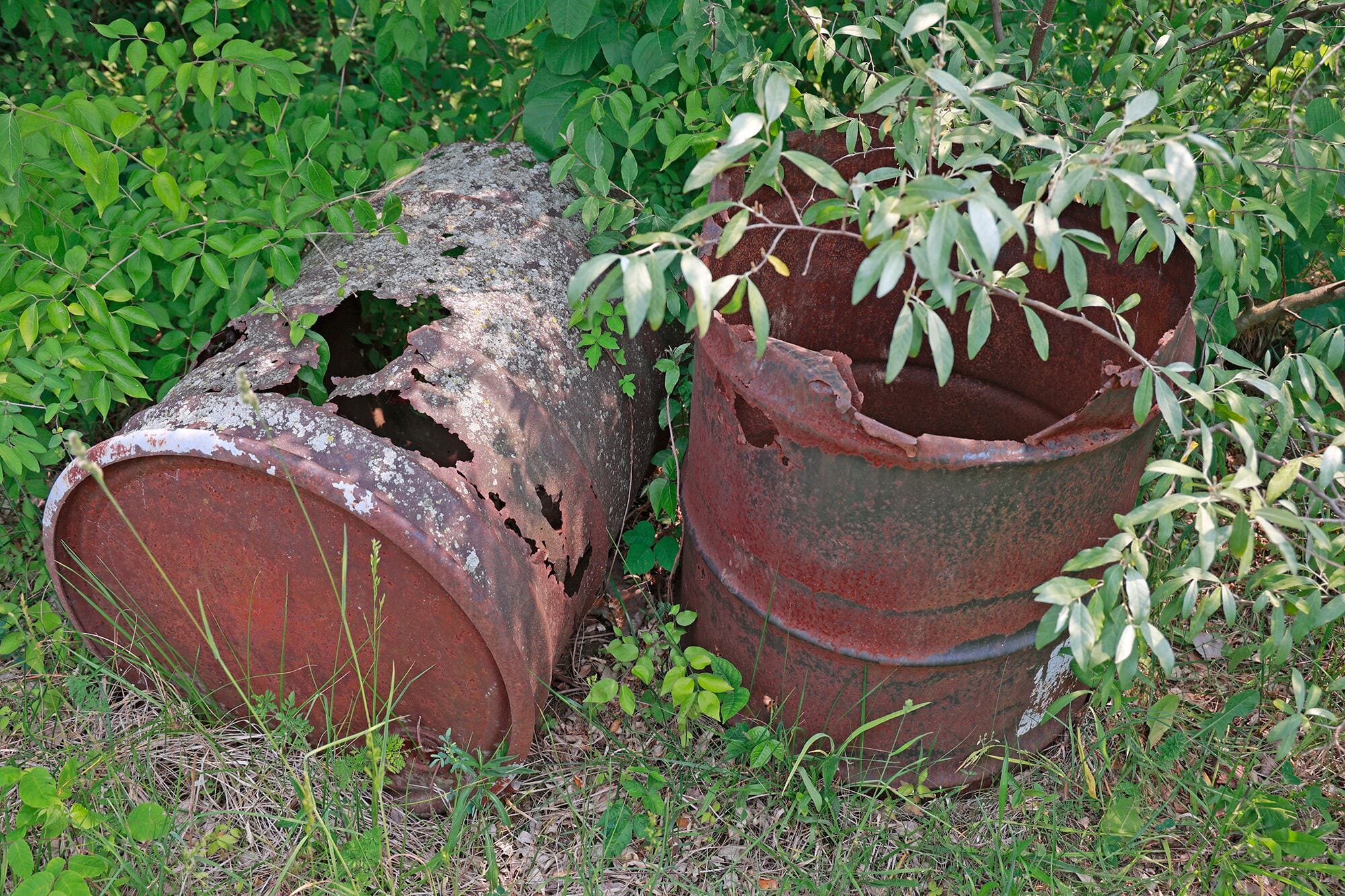
Some of these companies sealed the volatile compounds in barrels and buried them in shallow graves, hoping future generations would not need to dig up their skeletons. Simmering roughly four feet below the surface, these barrels began to crack and leak over time with many companies simply choosing to dump more dirt over top of them rather than rectify the problem.
Nearly 30 years after the toxic waste dump had been left to simmer, the Federal and Ohio EPA issued their record of decision, deciding that the site should be remediated and cleaned up in accordance with the Comprehensive Environmental Response, Compensation, and Liability Act of 1980. To be clear, the Environmental Protection Agency is deciding to address a long-standing toxic waste dump 30 years after legislation was passed outlining it needed to be fixed. Perhaps unsurprisingly, the move came after decades of resident led battles to push government action.
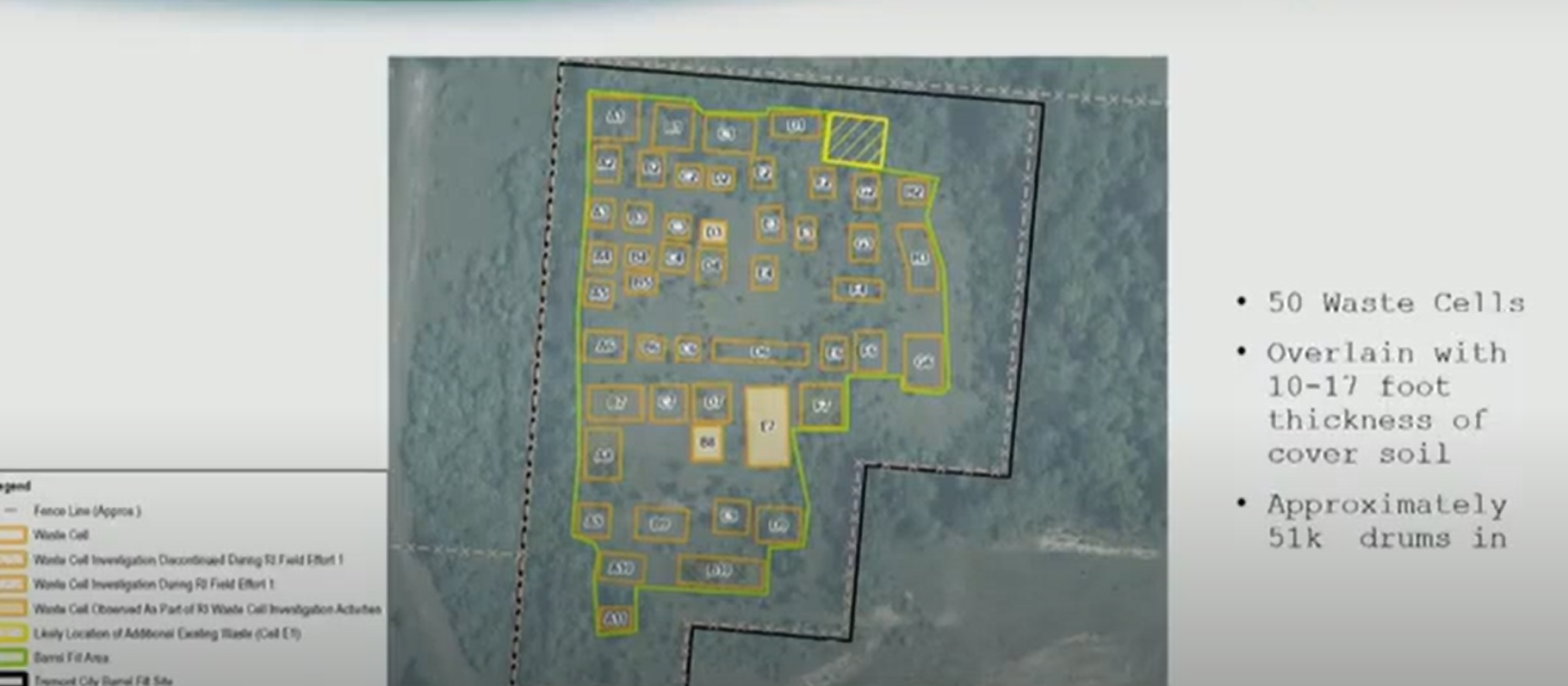
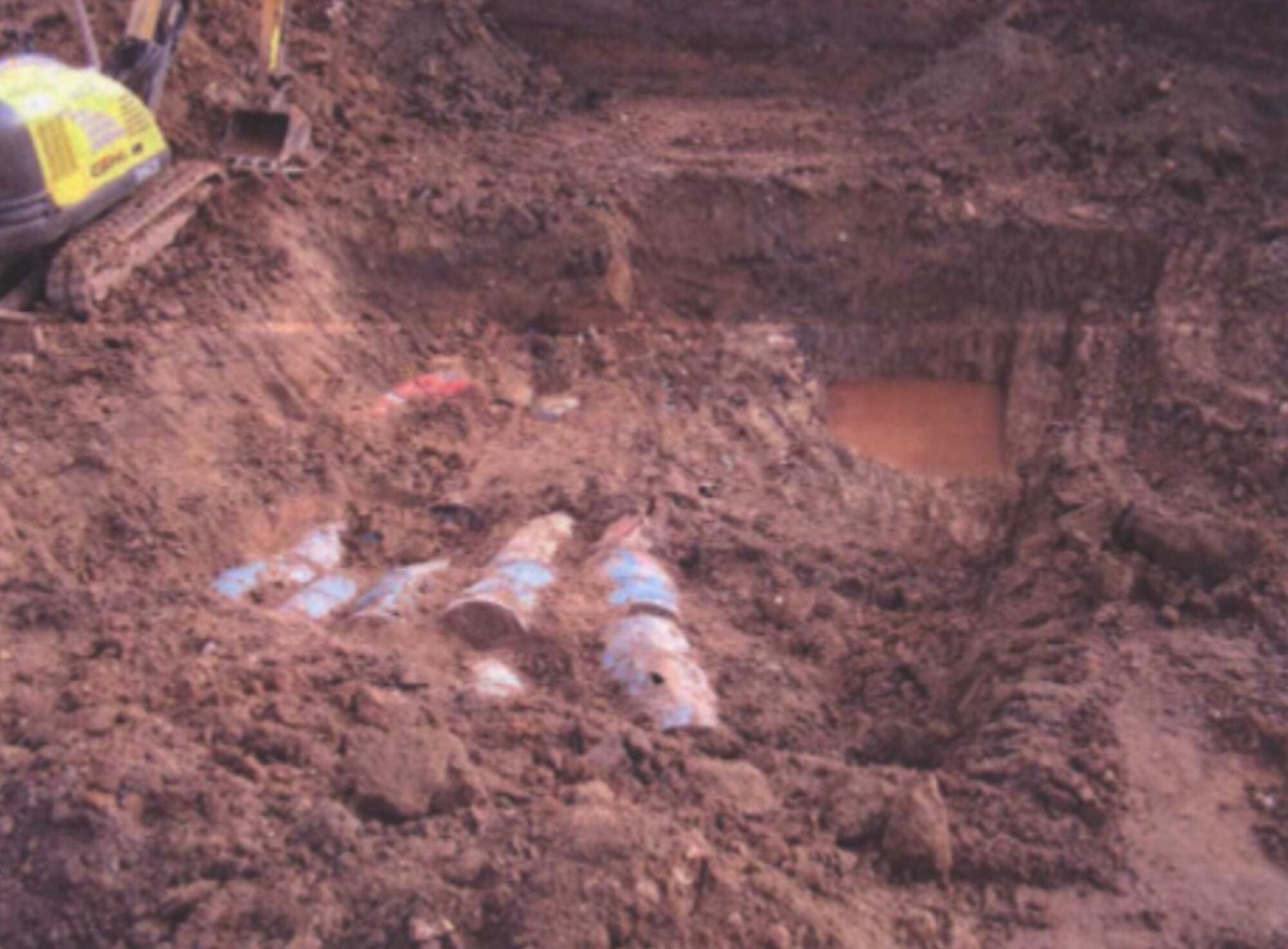
The main issue and concern with the site and location is because of the time and lack of provisional oversight with the entire operation. There is no way to know the condition of the 51,500 drums of unknown toxic contents. Many are broken and leaking into the soil or falling apart as they are dug up, if they haven’t already emptied their entire contents out.
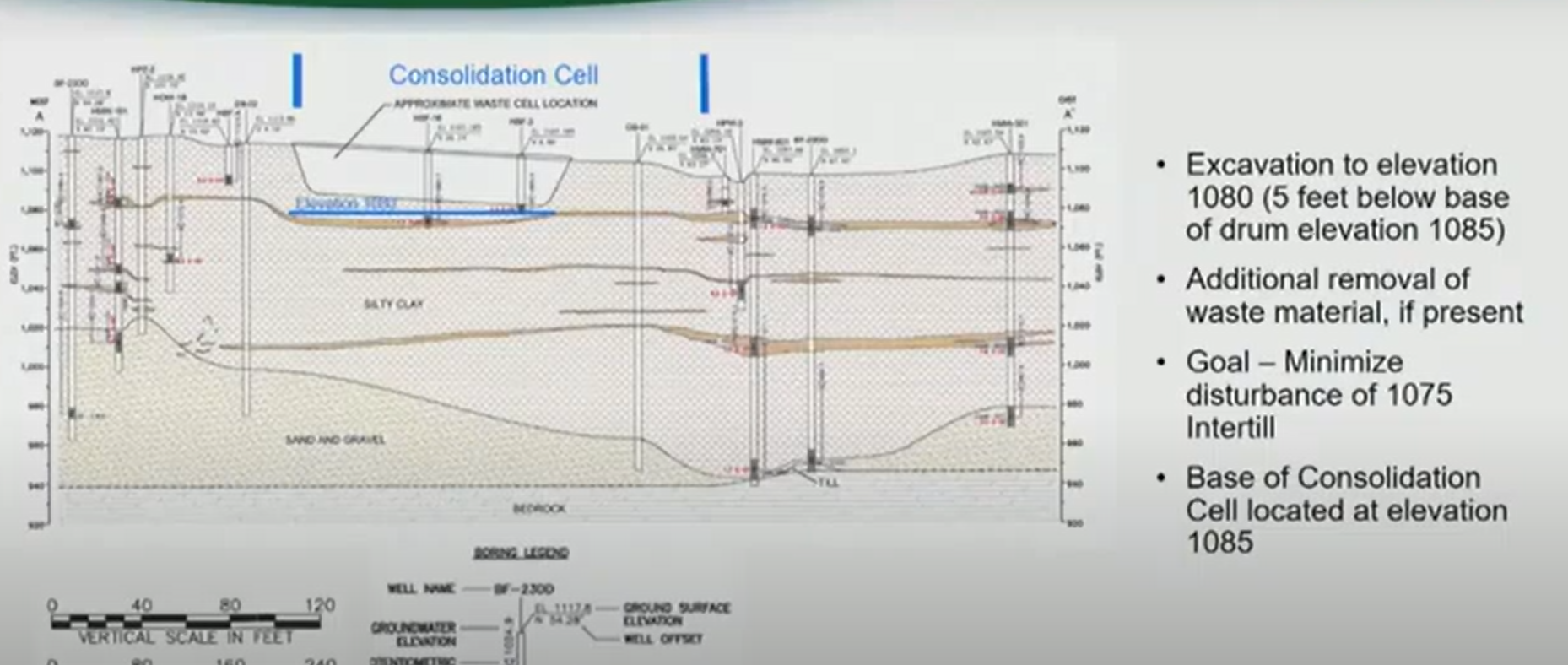
According to the report presented on Tuesday, most barrels are buried under anywhere from 10-17 feet of dirt. Each barrel has to be dug out individually and then their contents tested to see how the material can be relocated or disposed of in accordance with current standing federal regulations. There is additional risk that the excavation itself could cause many dilapidated barrels to break or leak further, risking additional contamination in the soil and aquifer which feeds water into much of the surrounding area. The drum site that was constructed in the 1970s was not built with any sort of significant barrier or liner to prevent any leakage to get into the water.
Perhaps a separate concern is how the EPA is handling the operation, essentially handing over the reins of monitoring and operating the clean up to the companies responsible in the first place. According to the Record of Decision, the EPA had the responsible parties conduct initial environmental testing themselves in 2002. However, according to the EPAs Record of decision, the site owner and various other organizations had been conducting surface, groundwater and soil testing for decades prior, dating back to the start of the dumping in the late 1970's.
“For more than 20 years, elevated concentrations of chromium and arsenic were detected in groundwater samples collected from monitoring wells located at the Barrel Fill,” The decision said.
According to the order, the following chemicals were found in various levels of depth within groundwater, soil and surface water: 1,1'-Biphenyl, 1,1,1-Trichloroethane, Acetone, Benzene, Xylenes, Ethylbenzene, Toluene, and Methylene Chloride, Bis(2-ethylhexyl)phthalate, 2-Methylnaphthalene, and Benzaldehyde, Aluminum, Antimony, Arsenic, Barium, Beryllium, and Chromium, Petroleum Hydrocarbons (TPH), Cyanide, Cadmium, Lead, Mercury, Selenium, Silver, and Pesticides. The hexavalent chromium detected is the same compound noted in the Erin Brockovich case.
The order outlined how the responsible PRP’s formed the Responsible Environmental Solutions Alliance, or RESA, which performed the remedial fieldwork investigations from 2003-2005 using contracted and technical consultants. Meaning the advisory commission on site in charge of testing the soil and monitoring nearby wells for potential contamination are representatives of the people that put it there.
However, despite consistent contamination results from decades of sampling, since the RESA II group has finally begun cleanup operations, the testing miraculously has showed no aquifer contamination. Despite dumping completely uncontained liquids as well as unlined broken drums into a dug out pit without safety liners and deep-well contamination results dangerously close to Chapman Creek. The current EPA order mandates that liquid contamination found in barrels be removed from the site, however any solid waste will be put back into the ground after the RESA II responsible parties put in a liner. Effectively, liquid waste and other contaminates have been leaking into the ground for over 30 years, but if any liquids are left they will pull them out, but the rest will stay.
Those who followed the East Palestine cover-up will undoubtedly be aware of how official testing results of air, soil and water for the area differed significantly from independent readings and when issues were noted, goal posts began to move. Affected area zones shrunk to minimize culpability and liability for the responsible parties. It appears the norm currently for EPA to put the onus of testing and monitoring of crimes onto the perpetrators themselves. The question is whether or not this is the best strategy and if the results can be trusted. Many have considered the EPA a ‘captured agency’ due to its consistent actions to insulate responsible parties from liability.
According to the report presented by the EPA at the Springfield Commission meeting, the estimated costs thus far for the remediation operations are around $27 million, with more costs imminent. Based on the remediation plan, once the solid waste is reburied, the responsible parties will continue to monitor ground and soil contamination in perpetuity. Whether or not any PRP will find themselves at fault in the future is a bet not even a gambling addict would take.
Those looking for labs that can conduct testing for VOC compounds can find them here
https://ohioline.osu.edu/factsheet/AEX-315