Governor Ban On Hemp Products Removes Consumer Choice, Costs Jobs

BY JEFF SKINNER
STATEWIDE - In October, Governor Mike DeWine signed an executive order, declaring an Adulterated Consumer Product Emergency for consumable items containing intoxicating hemp. The order requires retailers to cease sale of any hemp product containing any trace amounts of THC, a compound found in the hemp plant that, in large enough quantities, may cause a psychoactive response. While the main argument from DeWine’s office has been about the risk these products pose to children and youth, local businesses argue this is only a smokescreen and the real motivation may be about shutting down competition.
The DeWine administration is effectively arguing that under Ohio Revised Code 3715.74, the governor has the ability to intervene independently if a product is being ‘adulterated’ or polluted in some fashion. Legal experts are contesting this in court, arguing that no part of the standard extraction process to remove the CBD from the hemp plant would actually constitute ‘adulteration’ under ORC as ORC defines it as considered adulterated if it contains poisonous or harmful substances, is filthy or unfit for consumption, was prepared in unsanitary conditions, has had valuable constituents removed or replaced, or is in a container made of poisonous materials.
In a tucked away business strip in Chagrin Falls lies Chagrin Valley Hemp Company, a veteran owned seller and manufacturer of hemp products that includes some alternative health remedies that is on the verge of shuttering its doors. Ben Moidell, the owner and operator, has been struggling to keep the businesses above water over the last few months as court battles have extended or delayed the deadline for the sale ban. Many of the products offered by Chagrin Valley, including some tinctures used for inflammatory conditions, only contain trace amounts of THC, but would still be banned under the current EO. Some of the products sold contain no THC at all, such as the CBD topical salve which contains peppermint, eucalyptus and other plant compounds to aid localized pain management such as with conditions like arthritis and acute injuries. Unfortunately, the revenue stream from these products, though exempt from the current EO, would not be enough to continue floating the business.
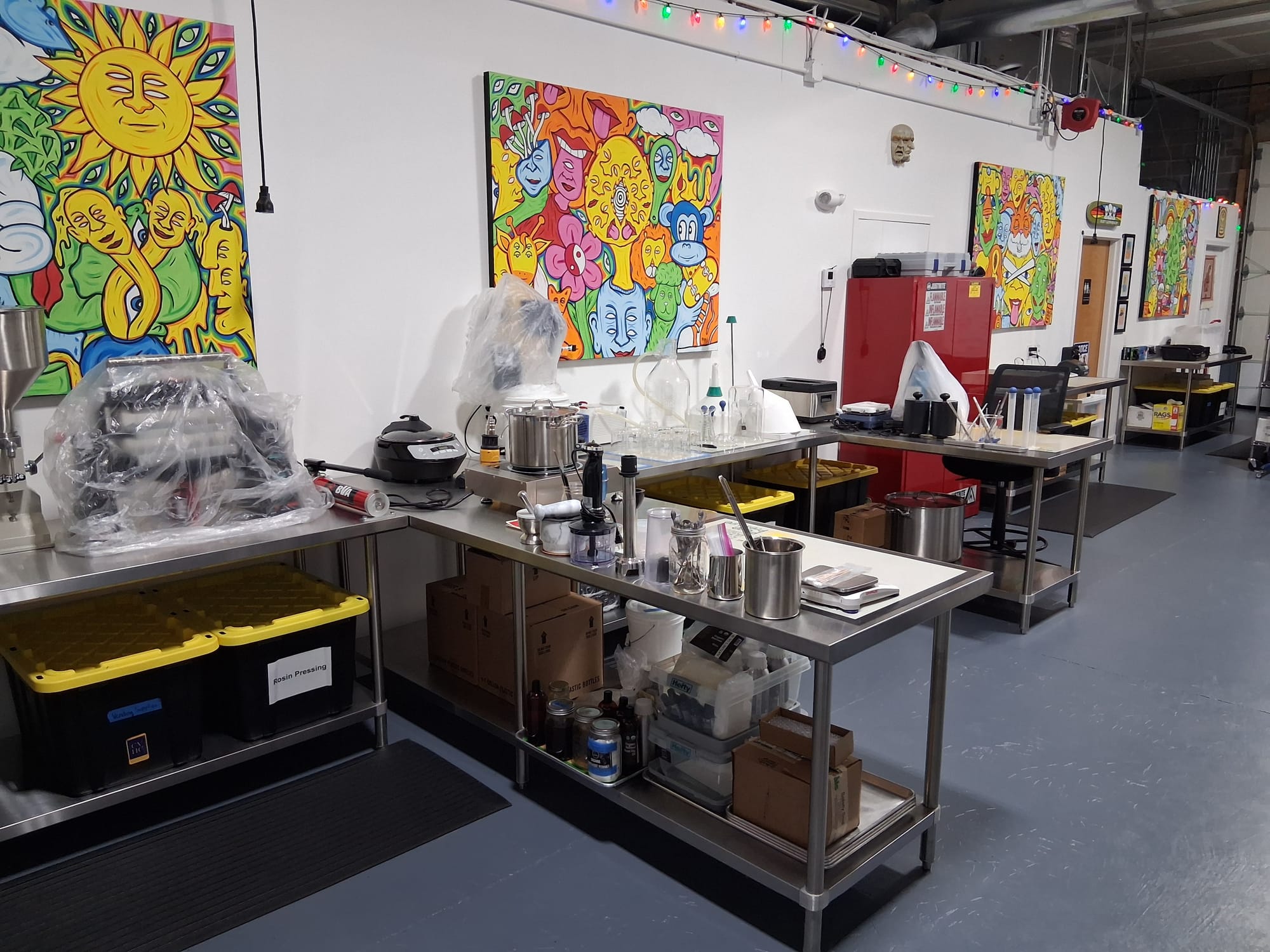
Over the last few months, Moidell has shrunk his business from a company of eight staff down to two that still serves customers locally and ships products around the country. While much of the discussion from the Governor’s office has been about ‘protecting children’, Moidell believes the argument is nothing more than a smokescreen.
“These people only care about one thing and one thing only, and that’s money,” Moidell said.
Currently, CBD products are sold primarily in shops that sell other tobacco products, which already have prohibitions on permitting anyone under the age of 18 from entering. While the Governor’s office has highlighted certain products that are marketed to taste like the candies of yesteryear such as gummies, wholesalers argue this is for the nostalgia of adult customers.
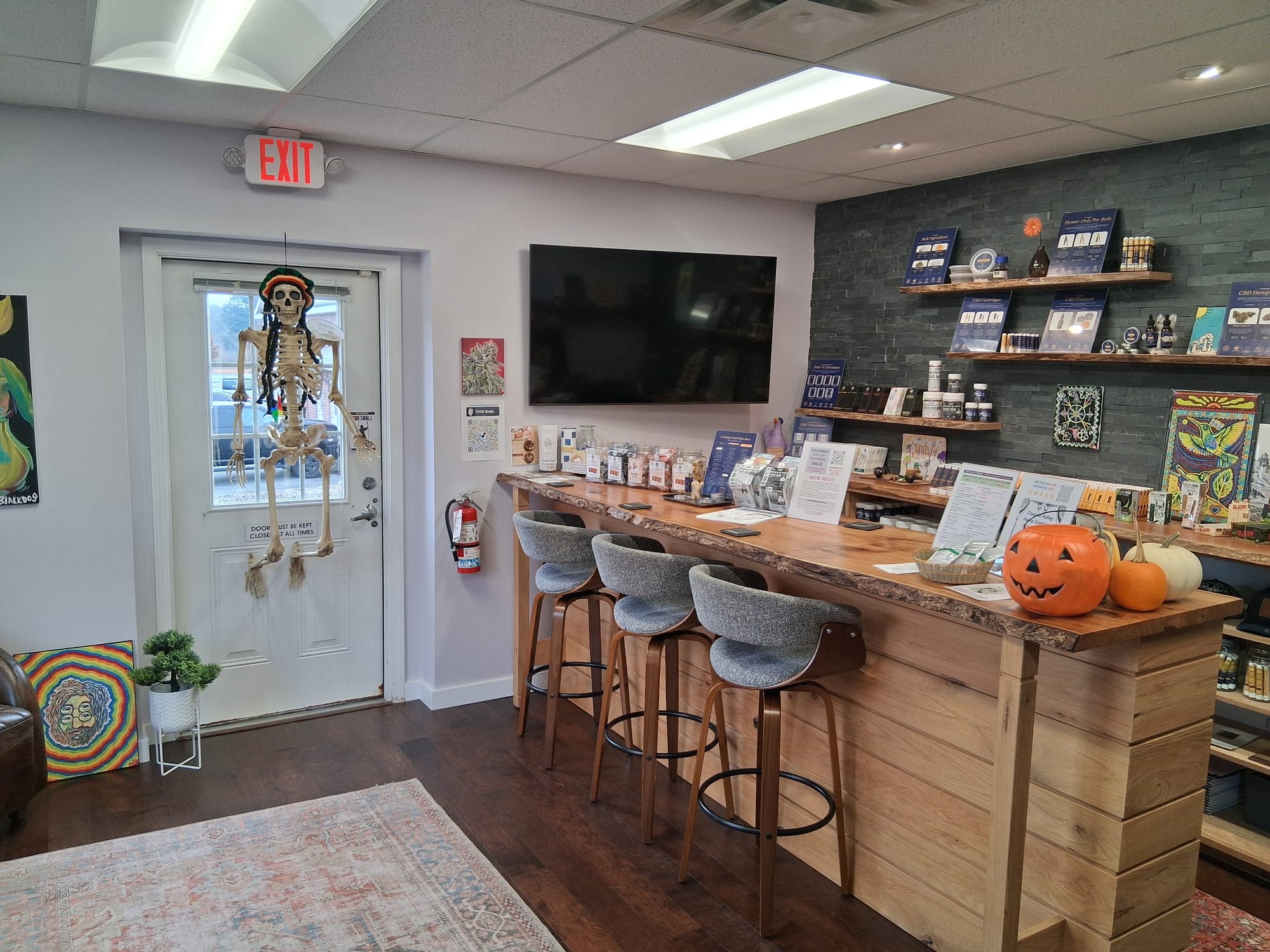
“I do have children and I do love and care for my children very much,” Moidell said, “But I think when any politician says ‘it’s about the kids’ it’s the opposite. It’s such an easy thing to say.”
Mikel Pomeroy, one of the remaining staff at Chagrin, argues that all factors surrounding the products on the market inadvertently inform the products are meant for adults.
“Well, price point for one,” Pomeroy said. “It’s mocking up a candy you may have had as children but it’s marketed to adults with nostalgia for the candy. If children end up with it that’s a mistake.”
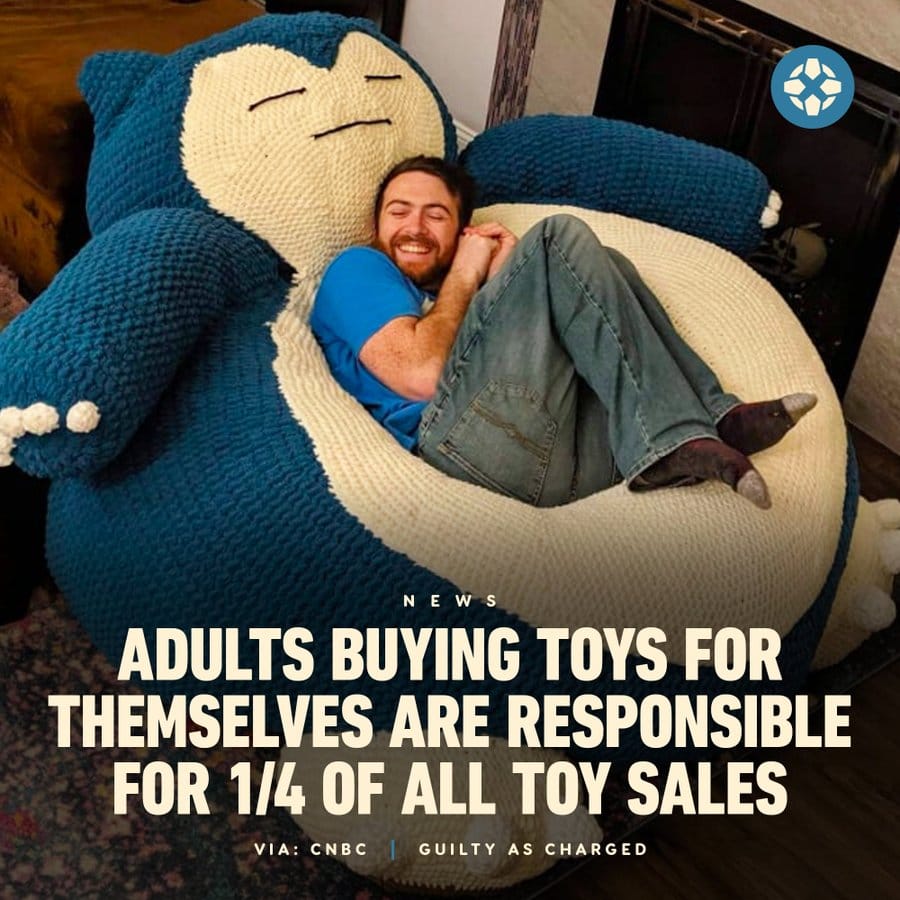
While some may balk at the idea, many traditionally viewed ‘youth’ industries are increasingly being shifted for adult consumption. Call it ‘arrested development’, but currently almost half of adults who purchase toys today are buying them for themselves, not for their children or nephews. Market metrics put this number at around 43% of all adult toy purchases being driven by adult nostalgia for the properties they experienced as kids. Knowing this market metric, it is easy to see how the CBD industry is also trying to capitalize on adult nostalgia for consumables.
Apart from this though, is the very real issue the Hemp industry poses as competition to the marijuana industry. Despite the two plants being closely related, the recreational and medical marijuana industry has been near silent, if not in open support of the hemp ban. Despite arguments from the Governor’s office, hemp CBD products offer a non-intoxicating alternative to high-volume THC-containing plants currently sold through state licensed marijuana dispensaries.
Though the Governor has argued some of the products can induce a psychoactive effect, the amount of THC found in tinctures and other products is so miniscule, that in order to get that effect, one would need to consume amounts far outside a safe limit. In a very obtuse way, we may be looking at a situation in which the state is driving customers to highly intoxicating alternatives to treat and manage chronic conditions and putting former addicts who use CBD products as an alternative to harder drugs at high risk for relapse under an argument that ‘CBD is dangerous but pharma derived marijuana isn’t.’
“You have to have options for people,” Moidell said.

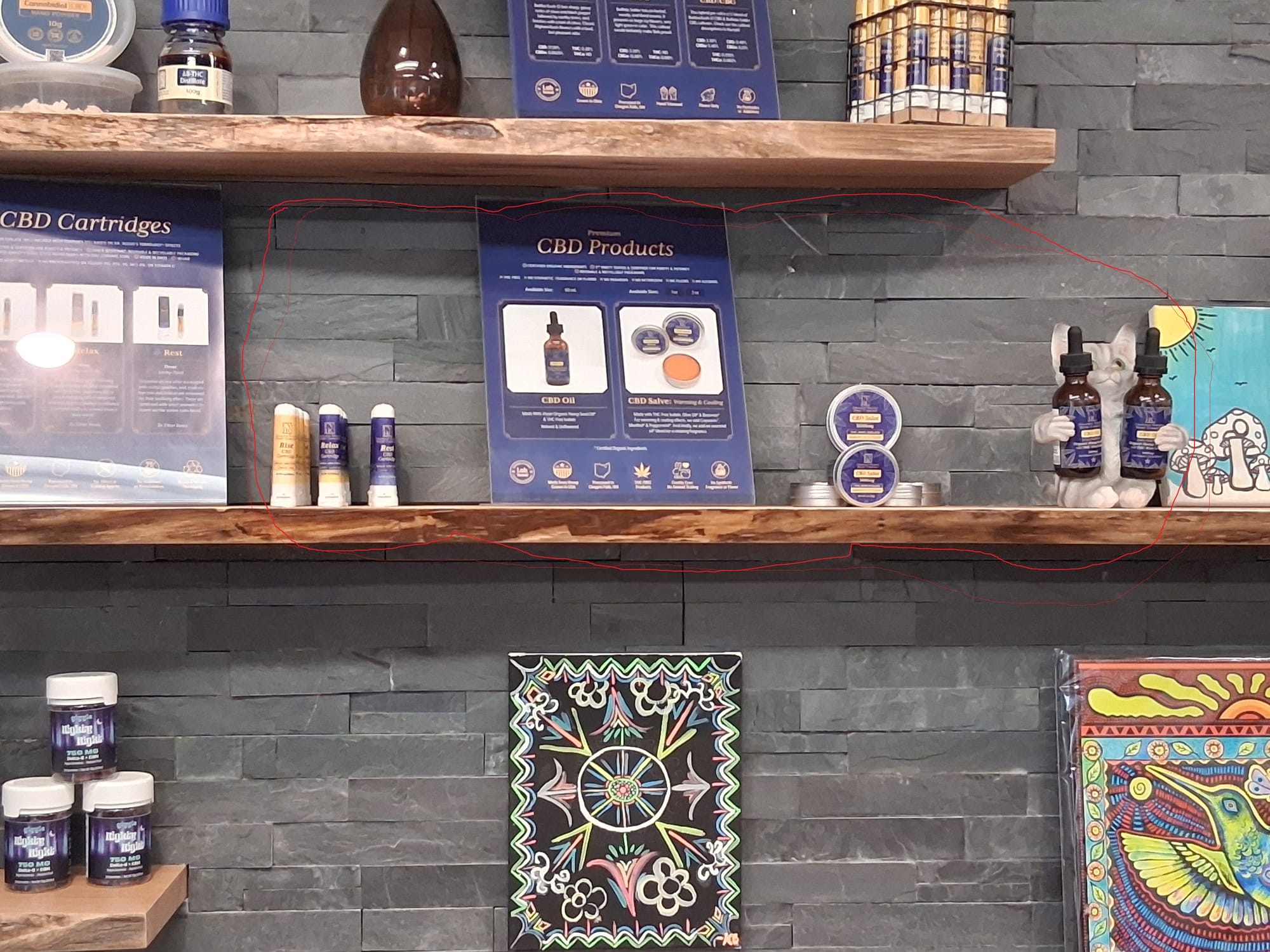
According to Moidell and Pomeroy, many of their customers are people in AA or other sponsor programs who use vape pens as alternatives to using substances as well as elderly family and customers who use products like the topical CBD salve as natural alternatives to petrochemical laced creams like Voltaren or liver damaging products like Tylenol for pain management. Ironically, removing these products from the market leaves people with only pharma controlled products designed to get someone high or petrochemicals designed to keep people sick.
“I am interested in seeing DeWine’s contribution disclosure statement,” Moidell said. “It’s called OHCANN, all of their members are pretty important people. I don’t think anyone is confused that in order to participate in any state regulated marijuana business you have to either be yourself or know people who are part of a certain class. These are people of means with academic connections and legal connections. I hate saying it’s just business.”
Nevertheless, Moidell’s business is now on the brink of collapse, much like many others in the industry thanks in large part to the executive order. The current deadline for termination of product sale is December 2. At that time, the business Moidell built will no longer be operational and two more workers in the state will be joining the unemployment line with nearly 8,157 others tied to the industry.