Op-ED: Springfield Water 'Very Much For Sale'
This article was originally published on The Heartland Beat
In what has become a trope of late, city government officials have been rushing to avoid responsibility for selling out their constituents to data center development by shifting responsibilities to other parties. Whether through pushing decisions to ‘committee’ discussions or attempting to say they have no hand in the decisions at all, begging the question ‘what is the point to having a government if it cannot uphold the social contract’?
In the case of Springfield Ohio, that irony was on full display during the April 7 City Commission meeting. After a public comment by Diana Daniels, who argued on the destructive nature of data centers, something others have previously reported on as well, The city responded quite predictably.
“I’m here tonight as three and a half almost three years of interacting with city residents and county residents and I was chastised as I am not a representative of much more than 2% of the population and Saturday night I was at a meeting with the Harmony Farmland Preservation Coalition and came to realize that that’s not true,” Daniels said. “That I do stand before you as a representative of a lot more than just 2%. And the common phrase that I hear from everyone is it’s time to put the brakes on. Clark County is not for sale in any way, shape, or form. Our soil is not for sale to the highest bidder from Microsoft or Google or Amazon. Our water is not for sale or for use for purposes by Amazon, Microsoft or Google. Neither is our air. We have to make sure that we are very prudent and use our resources judiciously or we’re going to end up with and I’m surprised that some of you are not voicing concerns of another Tremont city that will never be cleaned up. So, we need to make sure that we are using our resources wisely and not wasting them. The expansion is done. We’ve got lots of land inside the city limits to be expanding upon. We don’t need to be scraping the soil and making dirt or wasting our water. There are other ways to go about that. And that’s basically all I have to say.”

Daniels was referring to the ongoing issue surrounding the Tremont City Waste site, which is a consistent health risk to water supplies and had been allowed to skirt by without much scrutiny due to lax environmental protective standards and testing.
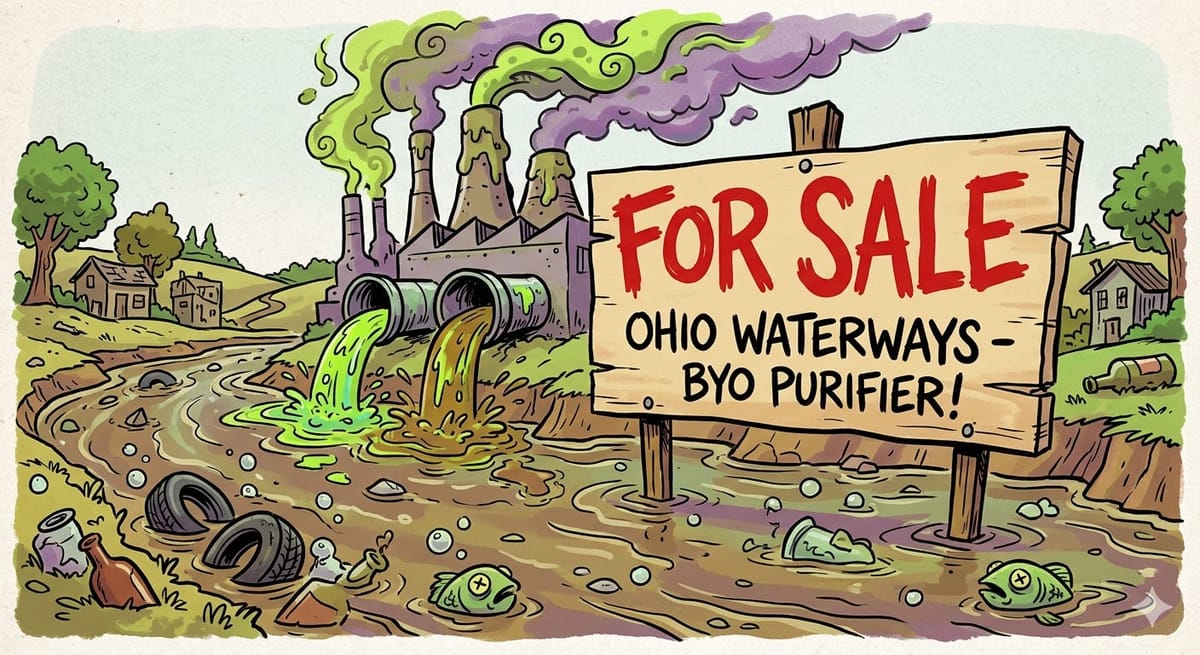
Mayor Rue responded by correcting Daniels that, in fact, the city’s water supply is very much for sale to whomever wants it, attempting to shift responsibility off of city government and saying they have no control over who private parties sell their land to.
“We don’t seek growth projects,” Rue said. “They come to all government agencies and municipalities. That’s the way it’s always been. Every annexation that comes before any city commission is brought to us by the property owner who has a right by state mandate to ask to be annexed in the city if it’s inaccessible property for development. Private property rights are private property rights. So if a farmer has a thousand acres and chooses to sell it to somebody, maybe we wouldn’t agree with who they sell it to, they still can do that. It’s a private property, right? They can sell their property and do with it what they want. Our water is very much for sale. Now how we use it is very important and we all have concerns about data centers and the state at the state level, this is being looked at and we continue to keep our eyes open for those projects and how they affect our area. You know, not everybody’s just super excited about mega data centers coming in. We want to make sure we’re using our resources and our ability to bring those in the best we can. So, you know, that’s I do agree. We want to make sure we’re using our water well, but it is for sale cuz it’s wonderful water and it tastes really good. So, right, Larry. Okay. But it’s true. And um and then uh like I said, we want to continue to be prudent. I thank you.”
While the response shows a noticeable positive shift in Rue’s tone and attitude towards the public lately, it is nearly all incorrect and shows an inherent disconnect between what the public sees as the responsibility and role of government and what the government is telling you they are unwilling to do on your behalf.
Firstly, the idea that the city, any city, has ‘no hand’ or has no control over who private property owners sell their property to or what they do with that property is outrageously false, to the point it would be laughable if not depressingly prevaricative. If you live in an industrial zone, try to sell your property to a daycare. Hell, if you own your own property in that zone, try and build a park for children to play at. Not possible. ‘Muh private property rights’ is a selective argument.
When the city of Springfield Welcomed the first data center into their bosom in December 2024, they did it with copious tax abatements including a 15-year, 100% Enterprise Zone property tax abatement securing a $1.3 Billion financial windfall for the 5C Data Center from the LexisNexis site. Further, The commission negotiated an income tax sharing deal with the Clark-Shawnee Local School District, ensuring the district receives approximately $70,000 annually from project payroll taxes despite the property tax holiday.
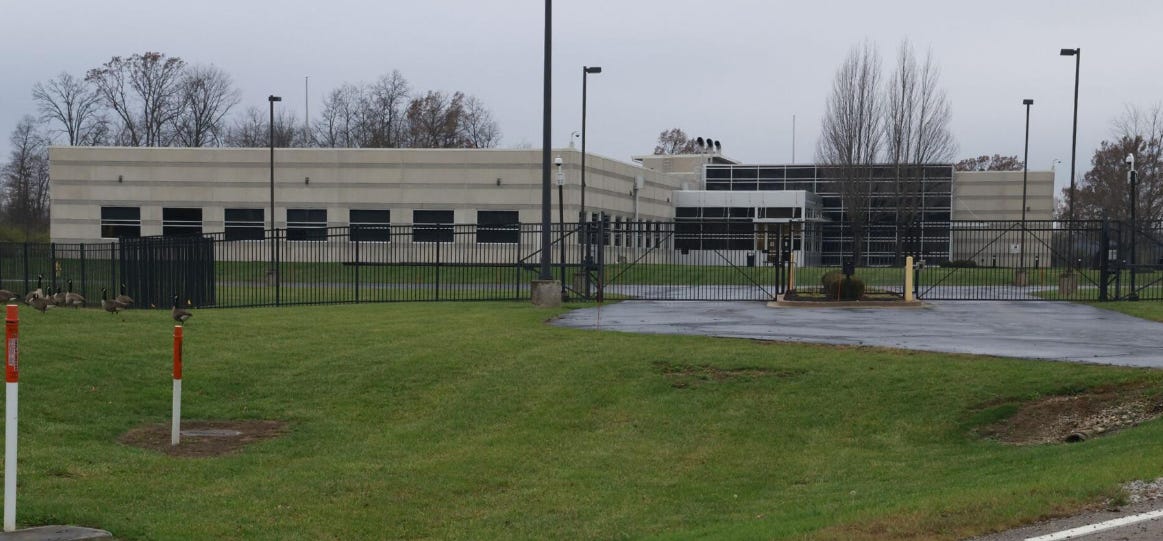
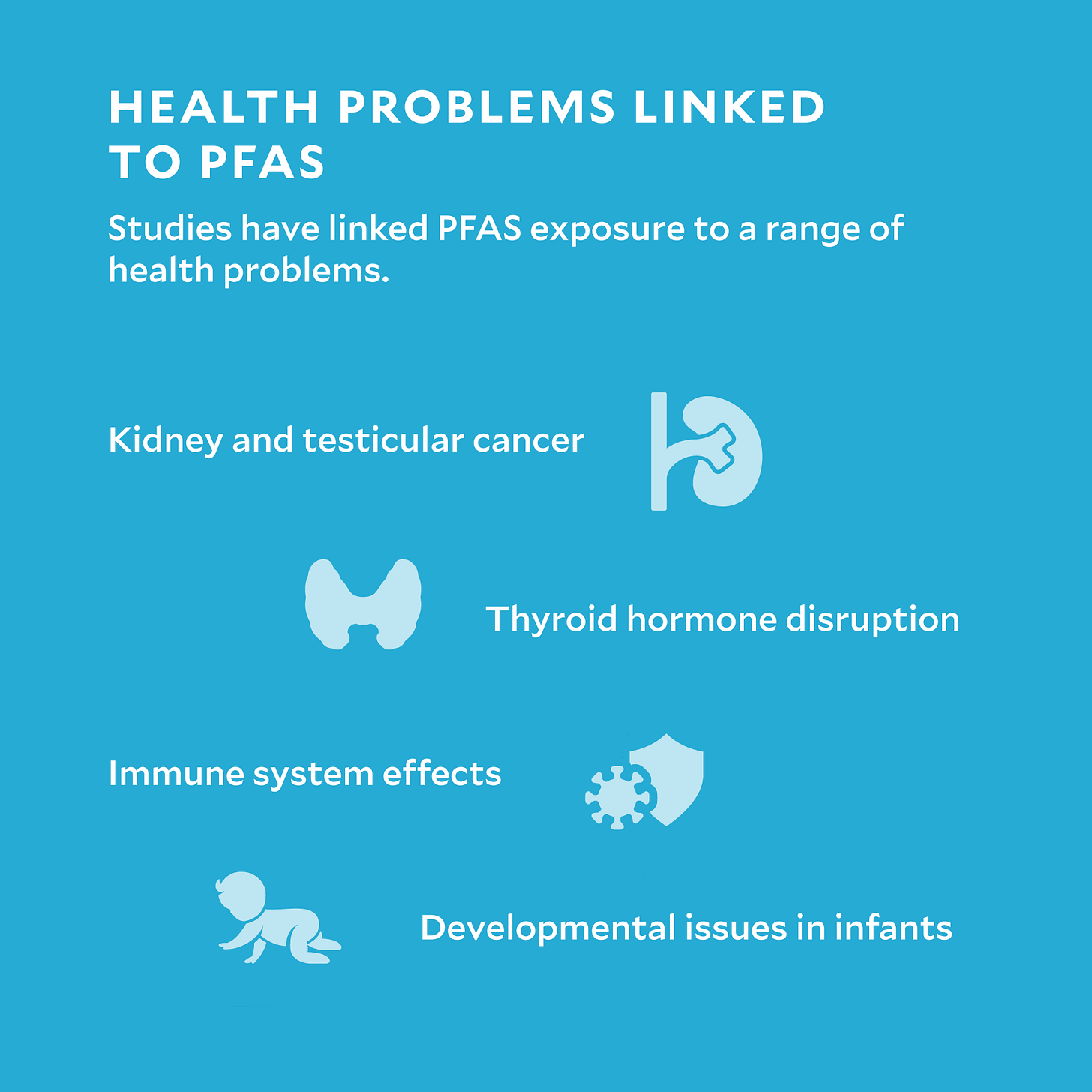
If this wasn’t enough, the city commissioned a study, not to look at the health impacts of data center wastewater dumping into the city water supply, such as PFAs exposure to adults and children or air quality deterioration, but whether the city could handle the water usage, illustrating their priorities.
While data centers are currently permitted in the city under ‘Industrial/manufacturing’ codes, there does not appear to have been any discussion as to how they fit this category given they do not ‘produce’ or ‘manufacture’ anything but toxic byproducts.
Had the city been invested in investigating the deleterious impacts of data centers to humans, from which they are elected to represent, prior to the annexation, they may have been motivated to discuss whether or not these constructions actually fall under this zoning category, which would have impacted the ability of developers to move forward, potentially saving the city billions and leading to healthier environments to raise children. Though they would have had to sacrifice the tens of jobs these centers create…

While Mayor Rue is correct, their water is for sale, and they are actively pimping it out to the highest John, to argue the city commission is somehow incapable of doing anything to stop the construction of deleterious data centers is at best laughable and at worst nefarious as hell.
Further, the concept that the city doesn’t ‘seek out growth projects is such a lie on its face given how nearly every city, including Springfield, has responded to incoming data center construction with massive tax holidays and infrastructure deals to roll out the red carpet at the taxpayers expense. One could argue perhaps ‘they just drop in our laps’ if members of city governments across the state were not constantly caught attending closed door meetings designed to facilitate data center construction in local areas.
Quickly jumping up north to the city of Findlay, Ohio we can see case examples of what typically has been transpiring that has led us to the current government predicament.
The city of Findlay is in a sticky wicket regarding data centers. Unlike Springfield, which is sensing the shifting tide against the destruction of the state by developers for technocracy after they already approved it, Findlay has been slow to the game. The city government has acknowledged that their zoning does not explicitly allow data centers, meaning a code change would be required to annex any land currently targeted for data center development. While the public has been adamant the city needs to swiftly move towards a moratorium, this would implicitly hurt the city’s plans to skirt one under the radar. The debate has raged into a full-blown meltdown in the city council.
Findlay City Council members have been fighting over whether they should represent the citizens of a city they are elected by, who need clean water, air and affordable utilities to live, or billion dollar developers who invite them to closed-door meetings on the benefits of data centers. Government officials who have been videotaped entering into the meetings have even ‘allegedly’ attacked citizen journalists for capturing their oath of office violations.

Needless to say, it is becoming very hard to sell constituents down the river these days without scrutiny in real time.
According to Vincent Johnson at the St. Mary’s University of Law, elected officials have a broad fiduciary duty to carry out their responsibilities in a manner that is faithful to the public trust that has been reposed in them, extending beyond minimal compliance with codified ethics rules. Even if no ethics code has been adopted, or if no code provision is on point, public officials must act in a manner that comports with their common law fiduciary‑duty obligations. As it turns out, most people don’t elect other people to political offices so they can get better stock portfolios through insider trading. They actually expect something to be done about lingering problems.
This extends towards protecting the city and citizens therein from malicious developments and schemes that would contaminate land and water. When a government fails to do this, or actively betrays the public trust without a firm mechanism for the public to enforce consequences, really bad things can happen. People get angry and those angry people are losing faith that the system is workable.