Springfield Law Department Claims They Do Not Keep Commissioners Emails?

BY JEFF SKINNER
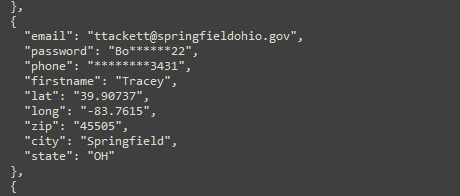
SPRINGFIELD - It was a whirlwind affair last week when information leaked online that assistant mayor Tracey Tackett, a candidate for U.S. House of Representatives, may have used her government email to access the StopIce App. In response to a recent FOIA request, the Law department for the city of Springfield has responded offering multiple contradictory arguments for why they are not producing the documents.
Last week, TOR submitted a FOIA request to the city, specifically requesting a search of the assistant mayor's official email to produce any communications related to or mentioning the 'StopIce' app. The request came as a result of leaked information online showing login information of someone who used the assistant mayors email to create and account with the app.
The Springfield City Law department has responded to the request with the following email, offering multiple different and conflicting reasons for not producing any information.
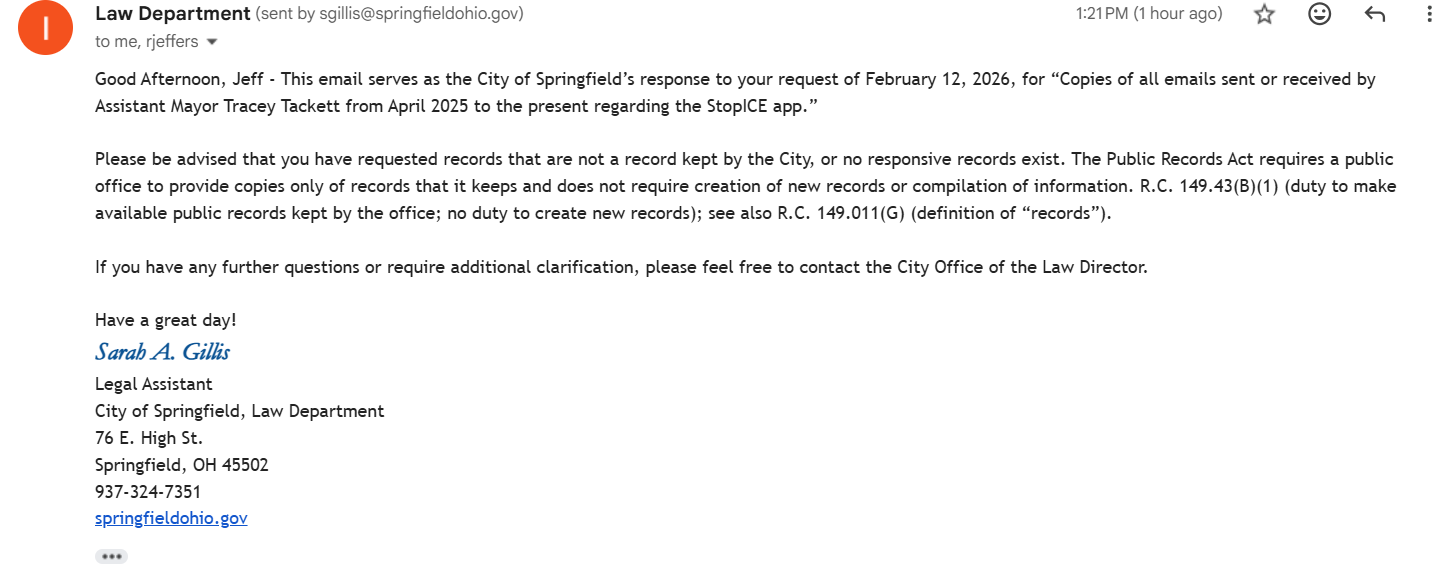
According to the response received from the law department, the department appears to be using a "shotgun approach"—firing off multiple, sometimes contradictory, legal justifications to argue they do not need to conduct a search for the records request. By citing both R.C. 149.43(B)(1) and R.C. 149.011(G), they are covering four distinct bases to block the request. The department is arguing either the records don't exist, they don't have them, they do not meet the definition of a 'record', or the request is too broad, though failing to actually state which reason they are landing on.
Firstly, by referencing 'no responsive records exist' the law department may be attempting to argue they have searched the email server for Tackett and was unable to produce anything related to the inquiry, however they did not produce any verification or specification a search was conducted and the rest of their response may indicate none was done at all. It is possible they are arguing the record no longer exists, however if that was the case, the city should provide justification for why. If emails did exist and were deleted before their scheduled retention date (usually several years for correspondence), the City may have illegally destroyed public records.
The department follows this by citing R.C. 149.011(G), suggesting that even if emails did exist, they might not meet the functional definition of a record. Based on this response, the law department may be trying to classify the communications as "non-records," such as "transitory messages" or "personal correspondence" that don't document city "functions, policies, or decisions." The response may be far more revealing than the city intended. Any email correspondence on official government emails from an assistant mayor would be considered legal records as they document official actions of a public office under the very law the department cited (R.C. 149.011(G)). Ohio law states that information relating to city operations, whether digital or not, belongs to the public, not the official's private files. Denying access to these discussions challenges the transparency required by law.
According to the Ohio Court of Claims, an electronic search for a keyword is a standard administrative task, not the "creation" of a new record.
Instead of responding with "We searched and found nothing," the law department provided a list of legal theories for why they might not have to provide any emails, clearly covered under Section 149.011. Follow up responses have been sent to the law department and TOR will maintain updates as more information becomes available.