Ten States Move To Protect Blood Supply, Ohio Legislature Lags Behind
BY JEFF SKINNER
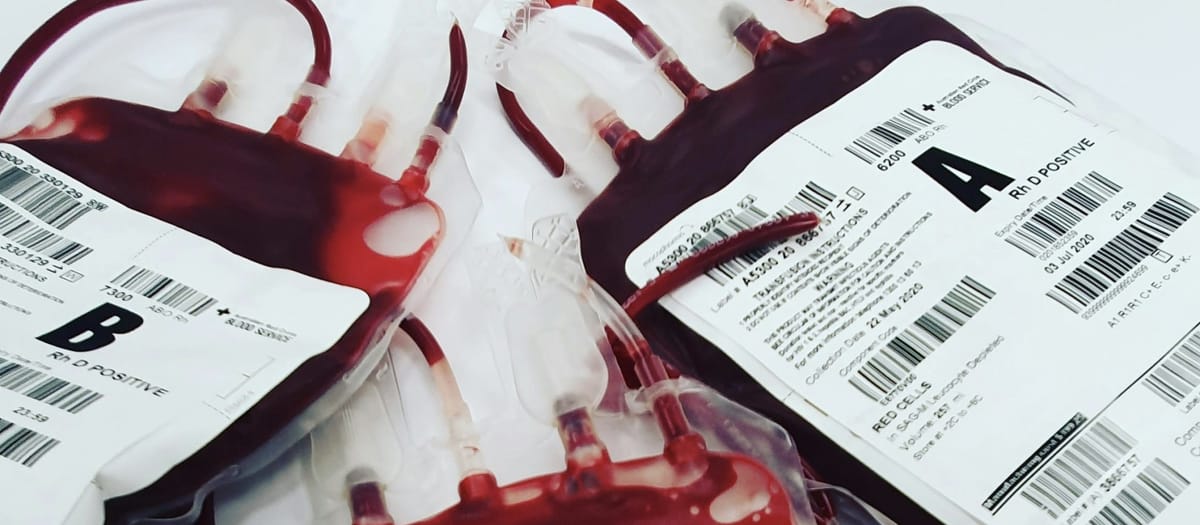
STATEWIDE - While ten states across the union are introducing bills to further secure the blood donation supply for recipients in dire situations, Ohio is seemingly absent. Members of the Ohio legislature seem adamant to oppose any attempt to make America healthy again.
Those abreast of the mechanisms of action of the Covid mRNA injections currently on the market have long been aware of the risks of contamination within the blood supply. The mRNA within the injections programs cells to produce the toxic and thrombotic spike protein, leading to widespread systemic inflammation, immune suppression and depending on where the compound travels, organ damage or cardiac arrest. The main issue relating to this is the longevity with which the spike protein is detected within the system of those who received the compound, with some studies still finding it more than 700 days after injection. It should be noted that is not a cut off but rather no studies have tested recipients beyond that point to see if it is still present.
With regards to the safety of the blood supply, those donating blood currently who have received the injection, may not be aware the compound and the spike protein itself becomes directly transcribed into their DNA and the continued circulation of the compounds resultants are passed through blood, leading to a significant health risk to anyone receiving that blood. Many studies have already sounded the alarm on the significant impacts to the blood supply this poses. Now, ten different states including Tennessee, Illinois, South Dakota, Texas, Utah, Idaho, South Carolina, Maryland, and Kentucky have introduced legislation to both mandate and protect the blood supply and those who wish to keep themselves free of contamination from this compound and its resultant health impacts. These bills would address the rights of blood recipients, the disclosure of donor vaccination status, and the ability to request directed blood donations.
Currently across the country, many hospitals are mandating that patients who need blood transfusions utilize supplied blood through their supply chains and are barring patients from receiving a direct donation from a friend or family member, leaving massive uncertainty as to the safety of the blood they would receive. Ohio currently has no such protections for patients on the books, meaning if you are in an emergency situation, your moment of ‘life and death’ goes well beyond admittance to the emergency room.
Additionally, many bills on the table in these states would mandate that blood donors disclose their vaccination status during donation and blood from mRNA recipients be labeled to further delineate it within the stockpile. This amount of transparency would greatly reduce the risk of recipients in emergency situations from having to choose between one life altering event and another, namely being one of the many whose lives were irrevocably changed due to mRNA injections. Specifically, HB 601 in Kentucky would additionally mandate doctors inform patients if mRNA recipient blood would be used in a procedure.
These legislative actions show a clear shift in scientific understanding, albeit potentially too late. While scientific research has long been acknowledging the dangers of these compounds despite their rollout to the global market, the healthcare system largely ignored them, leading to an already widely contaminated blood supply.
Members of Ohio’s various medical freedom advocacy groups have stated to TOR that much of Ohio’s reluctance to consider similar bills comes from opposition in the legislature, primarily speaker of the house Matt Huffman and Ohio State Representative Brian Stewart. Huffman has allegedly been a large reason for the lack of movement of several Ohio medical freedom bills, including House Bill 112, which would prohibit discrimination against individuals who have chosen to refuse medical interventions as well as House Bill 12, which would enshrine patients' right to try alternative medications and treatments in hospital settings.