Texas MAHA Law Could Change The Game In Ohio
BY JEFF SKINNER
STATEWIDE- A new Texas Law is set to change labeling for poisonous foods across grocery stores even in Ohio.
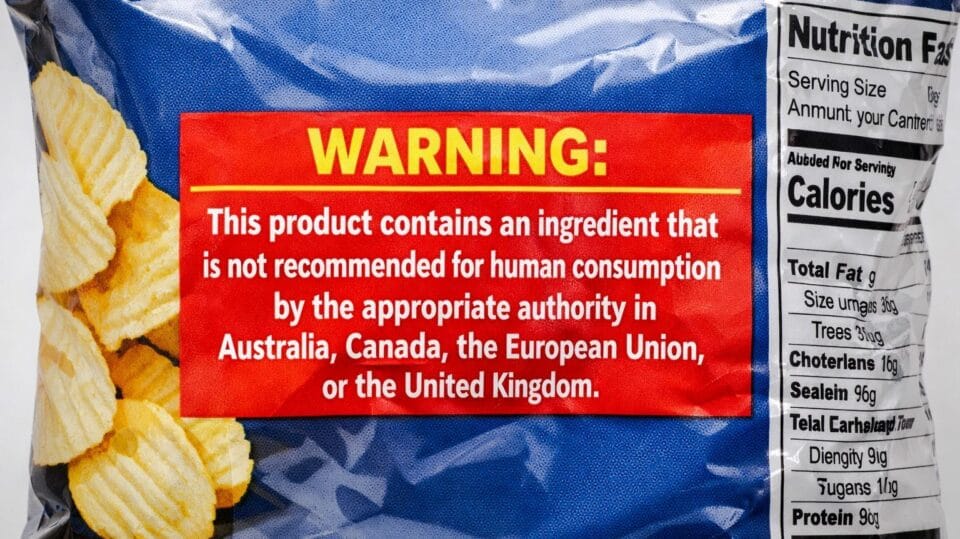
Late last year, Texas Senate Bill 25, or the "Make Texas Healthy Again" bill, is set to change how food is packaged and displayed, potentially across the nation. The bill will require food companies to label products that contain hazardous ingredients to include a visible warning label that reads ‘Not for human consumption.’
Based on the bill in its approved form, any product containing the following ingredients would require the warning label:
- Synthetic Dyes: Blue 1, Blue 2, Green 3, Red 3, Red 4, Red 40, Yellow 5, Yellow 6, Citrus Red 2, Canthaxanthin, and various certified food colors.
- Preservatives & Stabilizers: Butylated hydroxyanisole (BHA), Butylated hydroxytoluene (BHT), Propylparaben, Thiodipropionic acid, Anisole, Morpholine, and Toluene.
- Flour & Dough Conditioners: Azodicarbonamide (ADA), Bleached/Bromated flour, Potassium/Calcium bromate, and Potassium iodate.
- Fats & Emulsifiers: Partially hydrogenated oil (PHO), Synthetic trans fatty acid, Interesterified oils, and various monoglycerides/esters.
- Other Ingredients: Titanium dioxide, Diacetyl, Olestra, DMAA, DSS, Lye, Ficin, Aluminum sulfates, Sodium lauryl sulfate, Stearyl tartrate, and Propylene oxide
The impact nationally would be felt as companies do not have the ability to create state specific packaging for just Texas, meaning more than likely, products most impacted would have packaging made for the Texas law shipped nationwide, including Ohio. The law could be a significant game changer in how families grocery shop, providing a clear and visible warning to products often fed to children, such those containing synthetic dyes known to cause psychological effects.
It has been widely studied that Yellow dye can cause neurobehavioral impacts in adults and children, ranging from hyperactivity and inattentiveness to ADHD, autism spectrum disorders and sleep disturbances.
Food manufacturers are fighting the legislation hard, ordering a federal injunction against its effect claiming the law violates their freedom of speech. The companies argue currently it is their right to be able to not disclose to consumers the risks of ingesting the specific ingredients that have been banned in other western nations such as Australia, Canada, the European Union, or the United Kingdom. It should be noted that in those nations, similar products exist and are sold without hazardous compounds, so manufacturing capacity and capability does exist to shift production to a healthier model for the United States should regulators ever choose to act in the interest of citizens.
Ultimately, the court as favored the current injunction on the grounds of the current rules set forth under the FDA’s Nutrition Labeling and Education Act of 1990 (NLEA) and the broader Federal Food, Drug, and Cosmetic Act (FD&C Act). Under Section 403(i) of the FD&C Act, companies are permitted to list many ingredients using collective "class" names rather than their specific chemical or common names, this allowing them to better hide hazardous and poisonous ingredients in compounds under class headers.
Additionally, companies can currently hide Ingredients that are used during manufacturing but serve no "technical or functional effect" in the final product but are considered incidental additives. Under 21 CFR 101.100(a)(3). These could be items like lubricants or anti-foaming agents that remain in the food at "insignificant levels". A change in federal regulation, under HHS, could better facilitate the unmasking of these items and force systemic change, but until then, Ohioans seem poised to look to the Texas SB 25 case to determine if integrity can finally be restored to grocery store shelves.