
Advocates Push Back Against Smart Meter Rollout
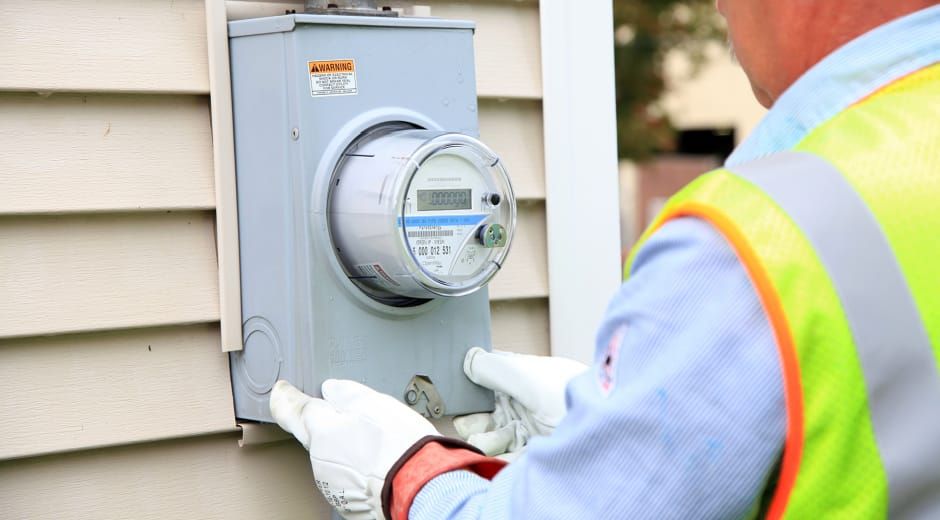
STATEWIDE - As wireless smart meters continue expanding across Ohio, a growing coalition of grassroots advocates and consumer protection groups is launching a coordinated pushback, urging residents to demand utility meter choice legislation from state and federal lawmakers.
Advocates argue that the automated metering infrastructure (AMI) has been deployed without adequate consumer consent or transparency regarding long-term costs, privacy, and safety. Activists are mobilizing a public campaign centered on specific legislative actions to halt mandatory rollouts.
The campaign, supported by organizations such as Children’s Health Defense and Southwest Ohio for Responsible Technology, outlines direct steps Ohioans can take to challenge the mandatory installations. Organizers are urging residents to contact federal and state representatives to demand bills that would guarantee a permanent, fee-free opt-out from digital meters. Activists want lawmakers to eliminate steep financial penalties, pointing to historical precedents where utilities like Duke Energy imposed a $100 setup fee and $30 monthly charges for retaining traditional meters. Furthermore, campaigners are asking for statutory requirements forcing utility companies to disclose exactly how digital data is collected, stored, and shared, while simultaneously encouraging households with low-to-moderate monthly energy usage to advocate for retaining traditional electromechanical analog meters.
Opponents of the technology argue that smart meters act as two-way wireless minicomputers capable of tracking energy consumption in near real-time. According to campaign materials, this granular data allows utilities to implement Time-of-Use billing and Critical Peak Pricing, which critics say inflates bills for typical households rather than offering true cost savings. Furthermore, activists raise alarms over data privacy, noting that digital meters transmit private usage patterns that utilities can potentially market to third parties. The remote-access functionality also allows companies to disconnect service digitally with minimal notice, which advocates claim has led to an increase in collections and legal actions against Ohio consumers.
The pushback is also driven by chronic health and safety concerns. Opponents highlight that wireless smart meters emit pulsed radiofrequency radiation, citing testimonies—including a 2017 letter from medical professionals to the Public Utilities Commission of Ohio—that link long-term exposure to neurological and systemic health risks. Safety advocates also note that digital meters lack the robust surge-arresting capabilities of traditional analog hardware, making them more vulnerable to electrical surges, fires, and lightning strikes if not properly grounded. Additionally, distributed utility networks have faced increased cybersecurity threats, with hackers leveraging software update mechanisms to exploit digital components. With state regulators having approved millions in smart meter capital investments in recent years, consumer groups maintain that giving citizens a choice is a matter of basic consumer rights.
Readers can find direct links to contact their local representatives by following Children's Health Defense website here