Findlay Mayor Hand-Waves Concern Over Heartland Forward Agreement?
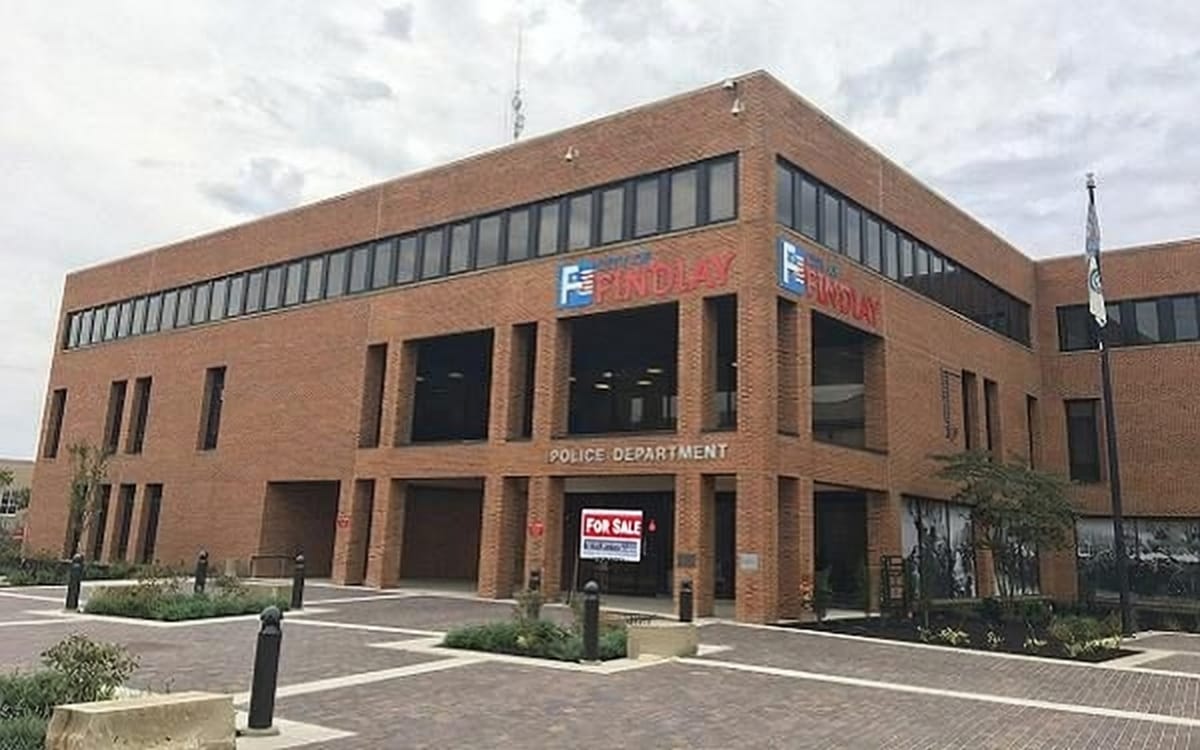
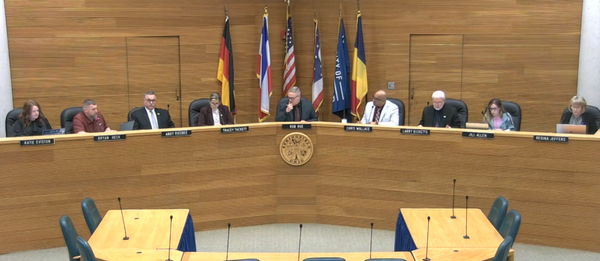
FINDLAY - Findlay city council met for their regular session on January 20, with some contention and additional hand-waving among the new administration, when confronted with several public conflicts surrounding how business is being conducted with at least one new contract with a controversial company few seem to be asking about.
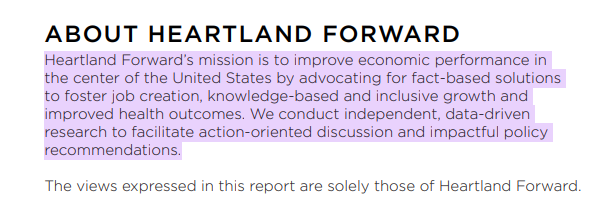
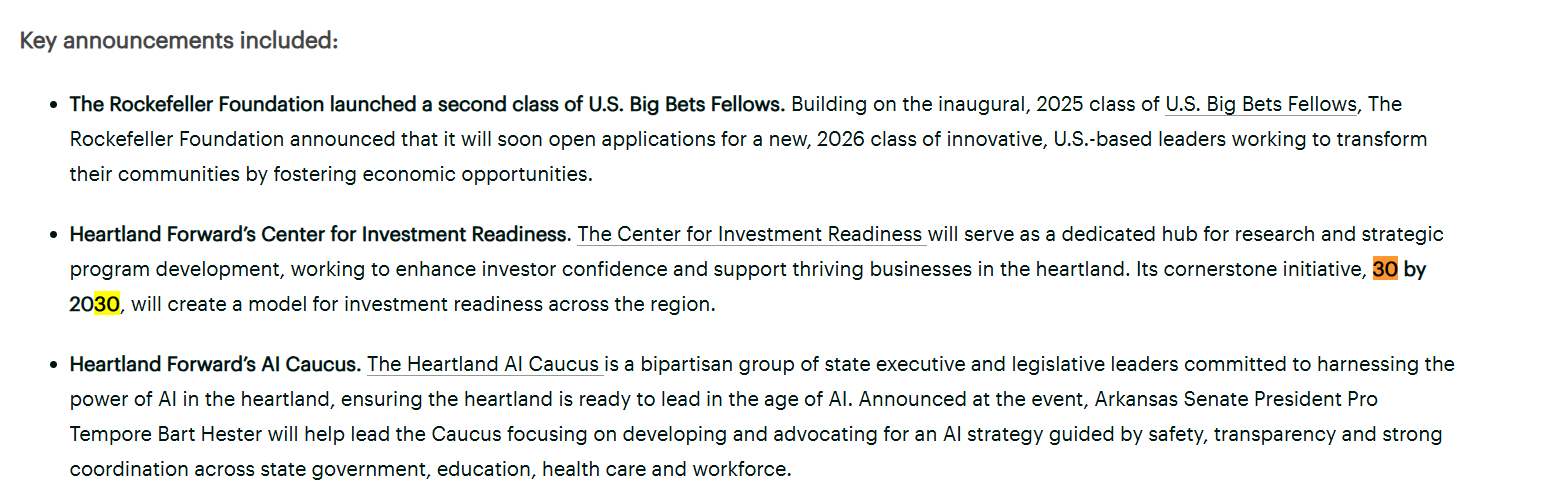
During the meeting, councilman Danny Delong questioned the need to suspend the rules of Ordinance 2026-010, authorizing the mayor to enter into a multi-year agreement with Heartland Forward for ‘investment readiness’ as part of the organizations‘ 30 by 2030’ initiative. Heartland Forward has a stated goal to bring 30 municipal areas in key middle-America territories to 'investment ready' status by 2030. The resolution did not state the benefit or need of the city to conduct this partnership, but rather emphasized its importance to Heartland Forward's endeavor.

While Delong questioned the need for the city to enter into the partnership as Findlay already has an economic development company, others also questioned the urgency for which the mayor wanted the resolution passed. The new agreement is set to cost $7,500 every year for five years. The motion was put forth on the agenda for emergency approval at first reading, creating more public contention among how the council conducts its business.
Mayor Muryn, upon being pressed for explanation on the resolutions urgency, presented a strange response stating things like ‘time flies’ and just reiterating it needed to be approved.
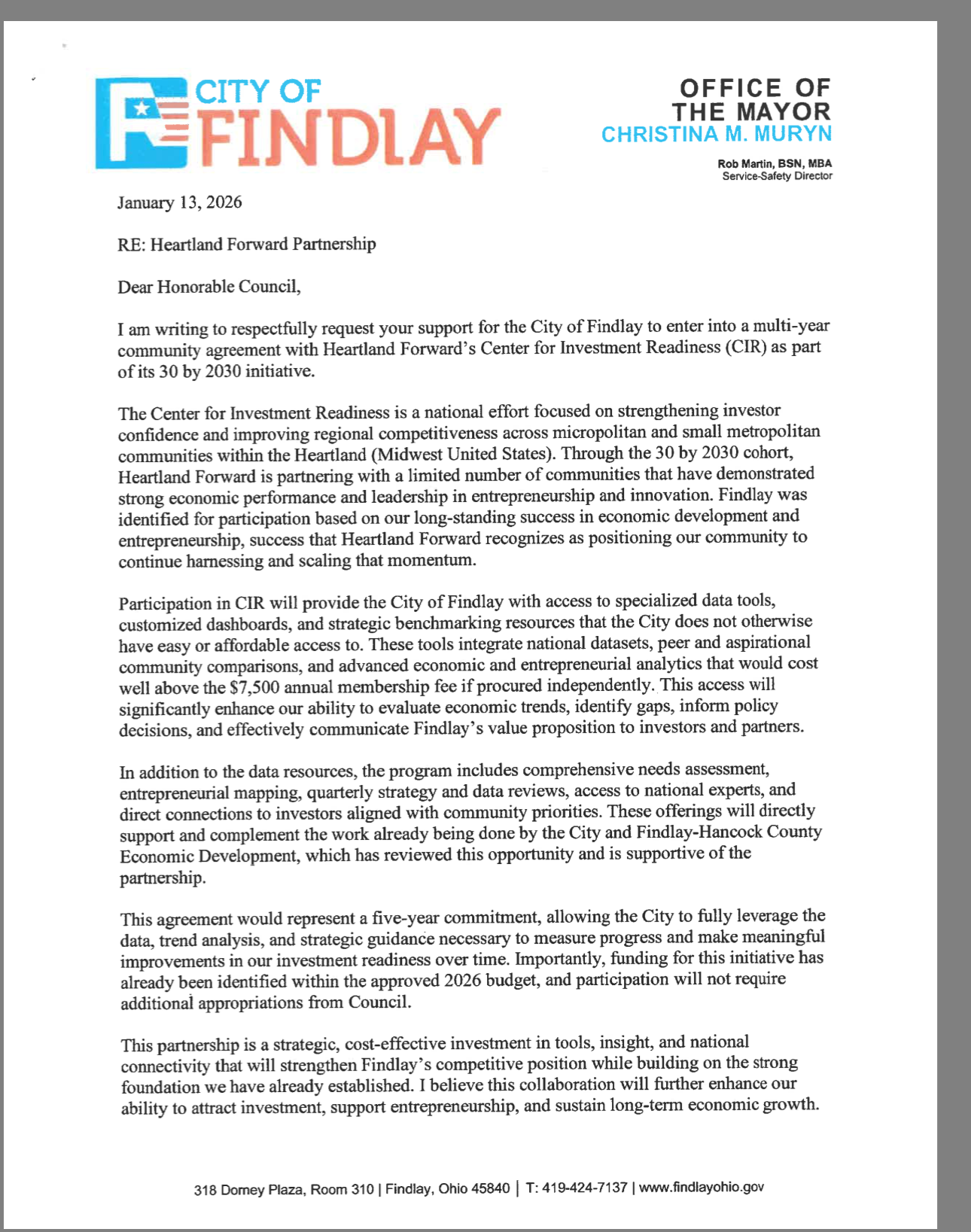
While Mayor Muryn's letter to council emphasized the importance of passing the resolution to help make Findlay 'investment ready' by 2030, much of how that is defined is shrouded in lofty words with circular explanations.
Heartland Forwards goals of increasing GDP and 'optimizing investment readiness' are rarely defined in public statements from elected officials. However, the answer may be within Heartland Forward's actions and historical advocacy, as well as its connections to larger, global initiatives.
Heartland Forward was founded by the Walton Family, also founders of Walmart. The family has close ties with the World Economic Forum, and much of their 'philanthropic work' ties into the shared agendas of Globalist infrastructures.
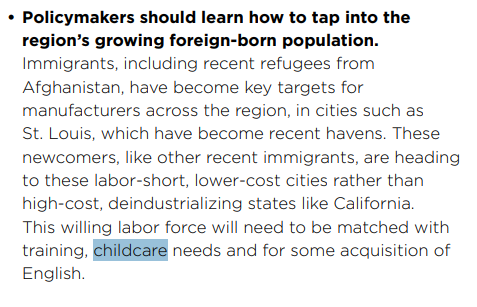
The organization advocates strongly for what many consider to be labor replacement in middle America. in a Heartland Forward article from 2022 titled "The Labor Crisis and The Future of The Heartland", the organization highlighted the importance of local municipalities providing strong subsidies to the immigrant populations for things like work training and childcare across Ohio as part of 'strategic labor investment strategies.' The organization puts a strong emphasis on creating direct pipelines for imported labor, known to be used to undercut domestic workers.
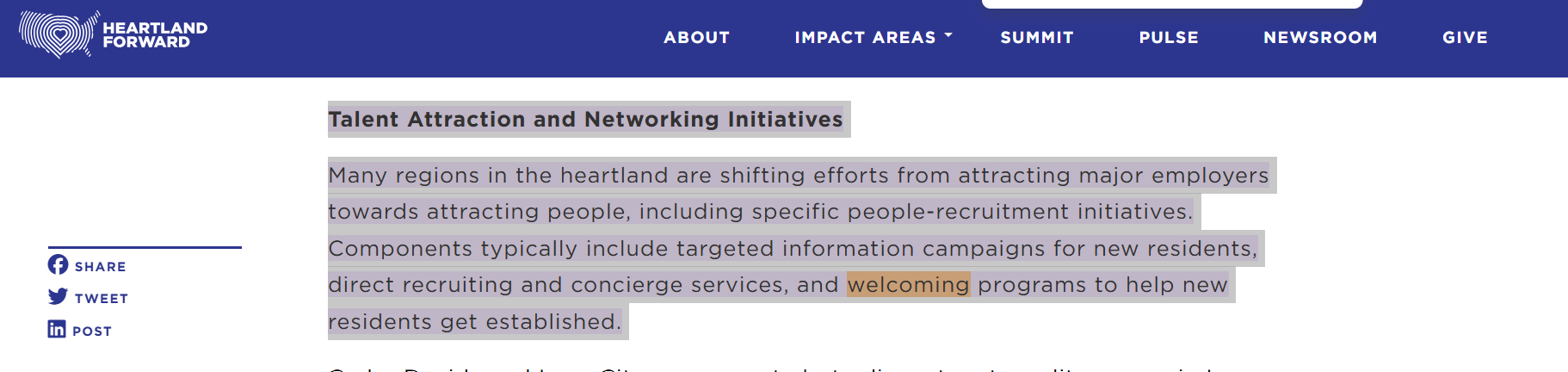
A large component of the work Heartland Forward does comes down to policy advocacy to drive immigration into labor sectors to address the mythologized 'labor shortages' that have been known to not exist, primarily through convincing areas to institute 'Welcoming' programs to foster immigrant workforces.
Similar initiatives have been instituted in cities like Dayton and Springfield Ohio, by partnering with "Welcome Initiative", leading to disastrous economic consequences, including decreasing income tax revenue, increased homelessness and rising heritage unemployment, some of which Findlay is currently struggling with.
Heartland Forward's 30 by 2030 initiative, which they began through partnership with The Rockefeller Foundation, seems to be aggressively utilizing data processing to judge how effective a micropolitan city is at being 'marketed' to 'investment' by categorizing its willingness to participate in what they outline as 'optimized local growth', and providing a roadmap to meet their goals.
The cities that partner with this program are provided outlined roadmaps for how to facilitate specific agendas that are tailored to the individual cities' populations and issues. The resolution in question is designed to use high tech tools to create a roadmap for Findlay to follow policy advocacy for how the think tank views the city should develop. It would then fall on Findlay to continue moving in that outlined direction.
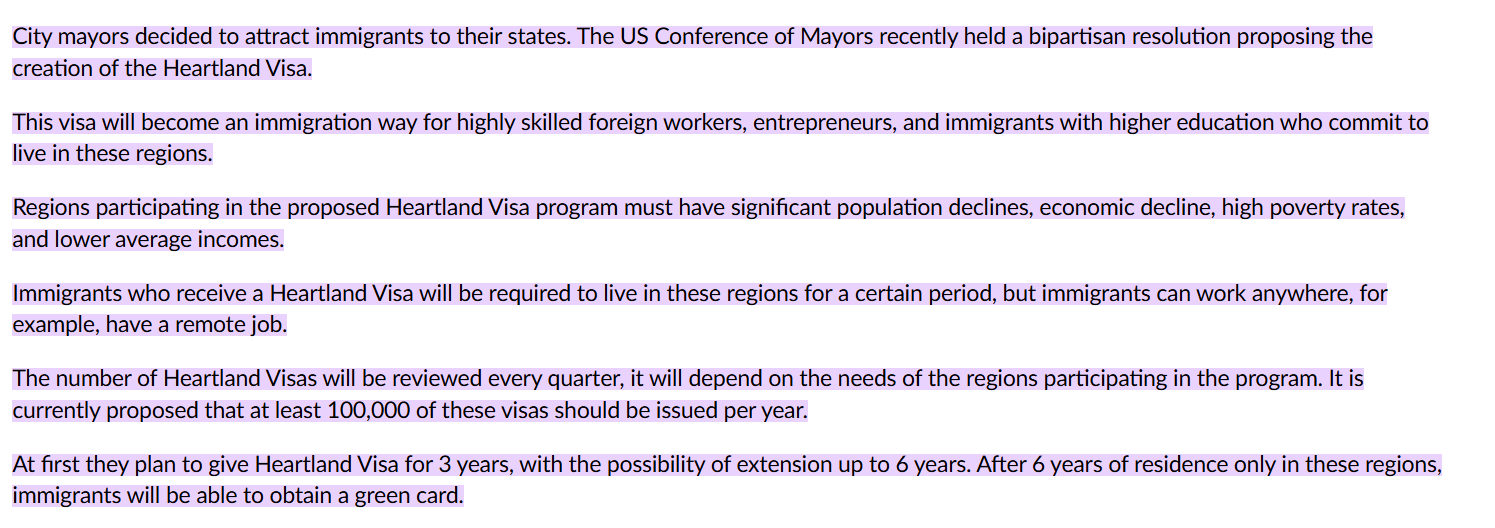
According to the think tank, optimized local development strategies would create transparent pathways for growth by addressing things like 'labor shortages' through training and subsidizing immigrant labor replacement. As a matter of historical precedent, Heartland Forward partnered with the Economic Investment Group (EIG) to create the Heartland Visa program in 2024, through strong advocacy with The U.S. Conference of Mayors. This act would create a green card fast track that allows cities to 'opt-in' to federal immigrant labor importation programs that facilitate massive immigrant transitions with a goal of importing at least 100,000 immigrant workers into America's heartland every year.
Some are speculating the 'urgency' and need to fast-track Findlay's Resolution may make more sense when looked at in relation to larger timelines for global initiatives.
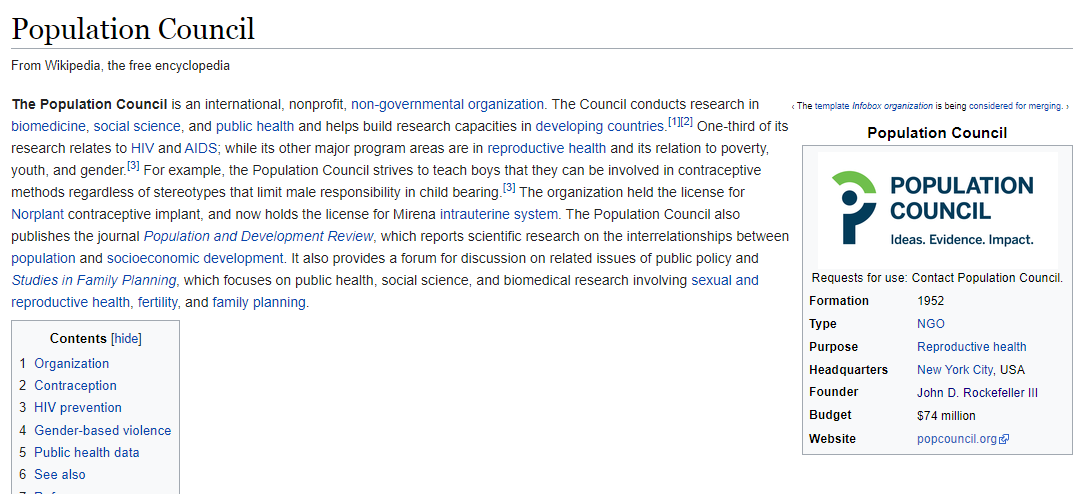
In 2015 the World Economic Forum issued its Sustainable Development Goals, which set specific standards on things like 'sustainability' and 'equality', with strong emphasis on immigration. These goals were to be achieved by the end of the current decade. Much of this was built upon decades of globalist road mapping through groups like The Rockefeller Foundation. In 1952 the Rockefellers launched The Population Council, which primarily advises international bodies like The U.N., specifically their Population Division.
In 2020, that division issued a report on the importance of utilizing replacement immigration against heritage populations. Much of the WEF's Global initiative goals build upon those aims previously outlined, due in large part to the Rockefeller Foundations longstanding partnership with the WEF.
The aforementioned Agenda 2030 is more than just a name. It is also a deadline, for which said organization states is not being met on schedule.
Unlike much of Europe, a nation like The U.S. still has somewhat decentralized control structures. Utilizing contracted thinktanks and coordination through the U.S. Conference of Mayors, of which Muryn is a part of, and who proposed the creation of the Heartland Visa Program, may be an integral part of instituting and facilitating global agendas on local levels.
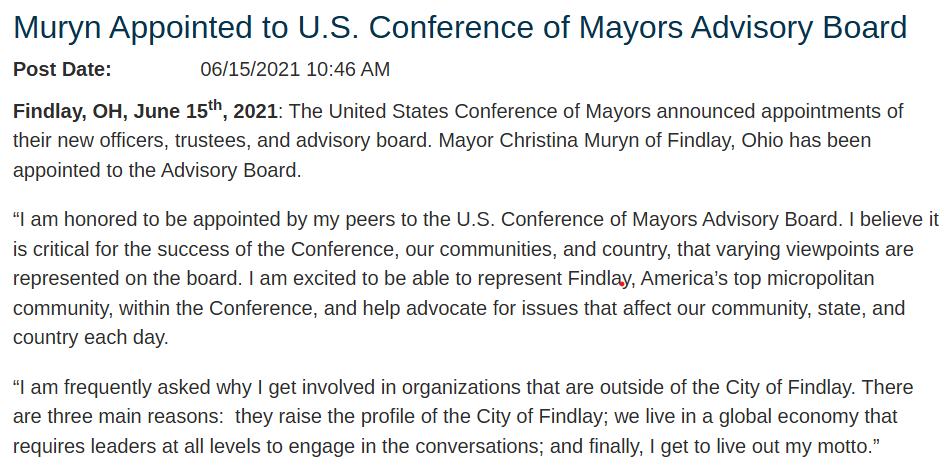
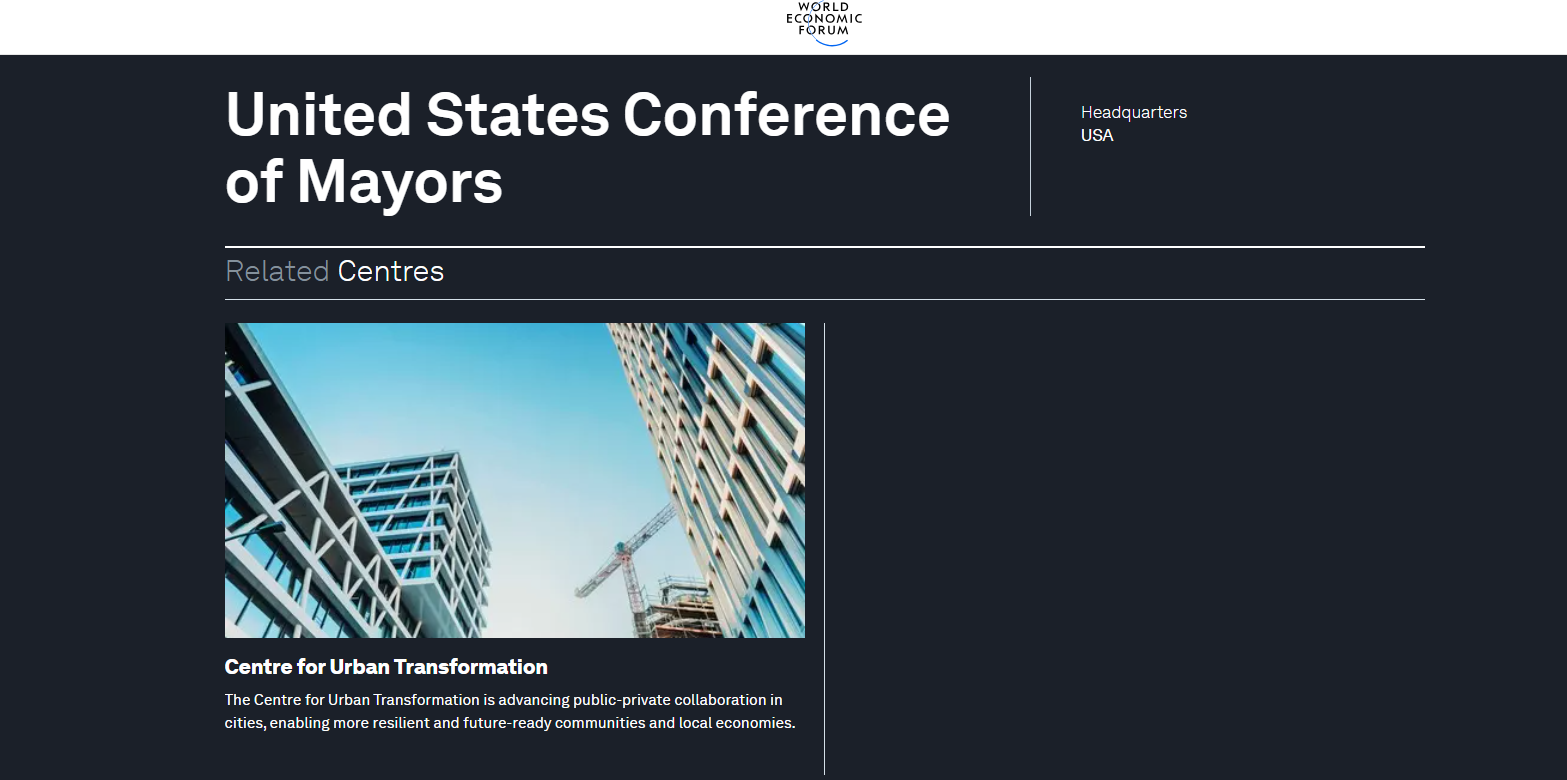
In theory, as some are speculating, if a city was facing a tight four-year deadline for facilitating a global initiative, fast tracking a resolution to create a comprehensive, data-driven roadmap for how to make Findlay WEF compliant by the end of the decade, or 'investment ready', would make sense with a previously partnered organization, like Heartland Forward, that shares the same agenda, independent of what other financial advisory contracts may exist, as they would be serving two separate purposes in practice, but not on paper.
Later in the meeting, Muryn additionally provided an update to the upcoming termination of TPS protected status for the Haitians living within Findlay. According to Muryn, she has not met much with the Immigration Task Force lately, but informed council they can refer individuals to Ohio Legal Aid to assist in filing extensions to prevent deportations by ICE.