Is Ohio Properly Braced For Strait Impact?
BY JEFF SKINNER
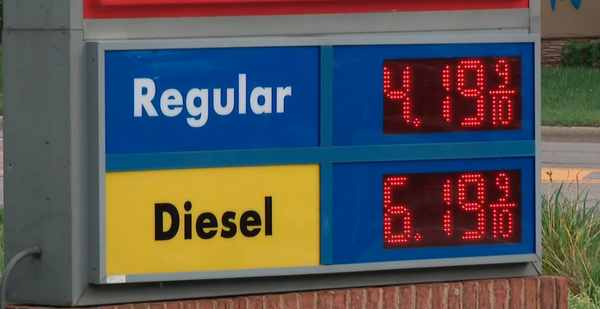
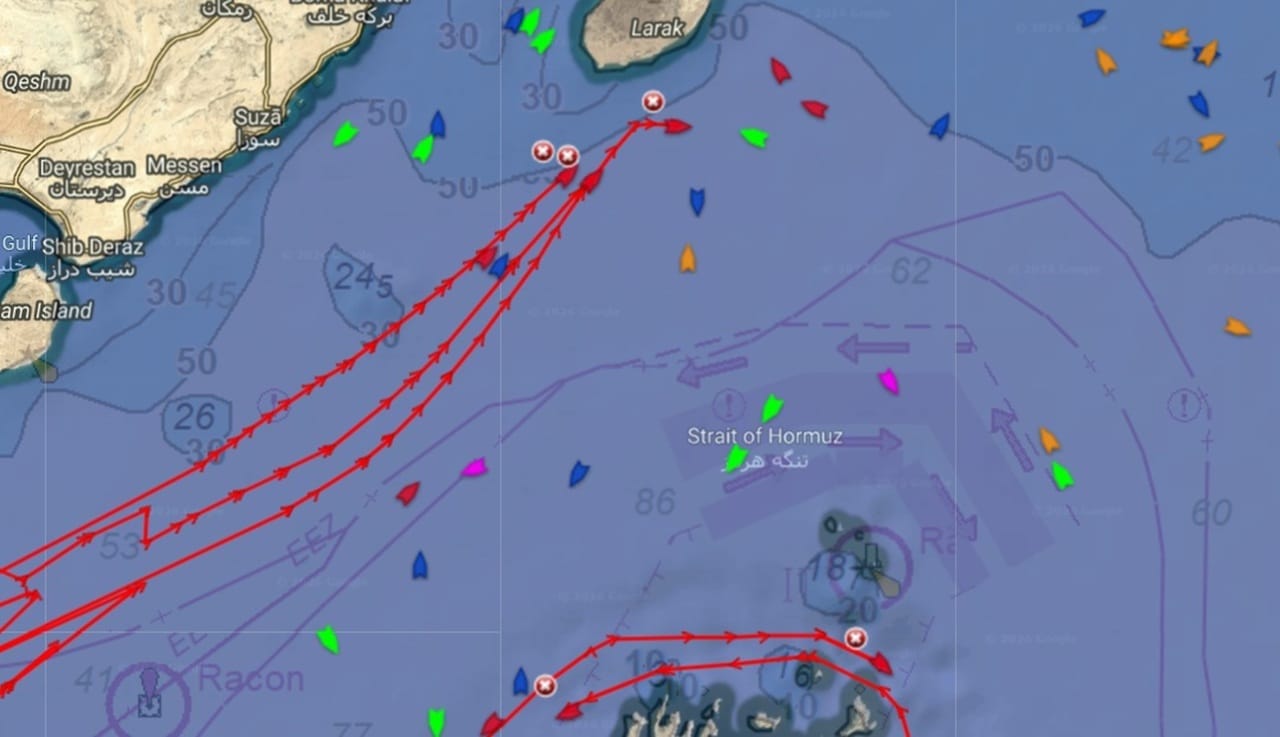
STATEWIDE— As reports indicate Iran has again closed the Strait of Hormuz amid fresh Israeli strikes in Lebanon that appear to violate a fragile ceasefire, Ohioans are staring down the barrel of higher gasoline prices at the pump, pricier groceries at the supermarket and mounting electricity bills — all while U.S. emergency oil reserves scrape critically low levels with little apparent strategic benefit to American families.
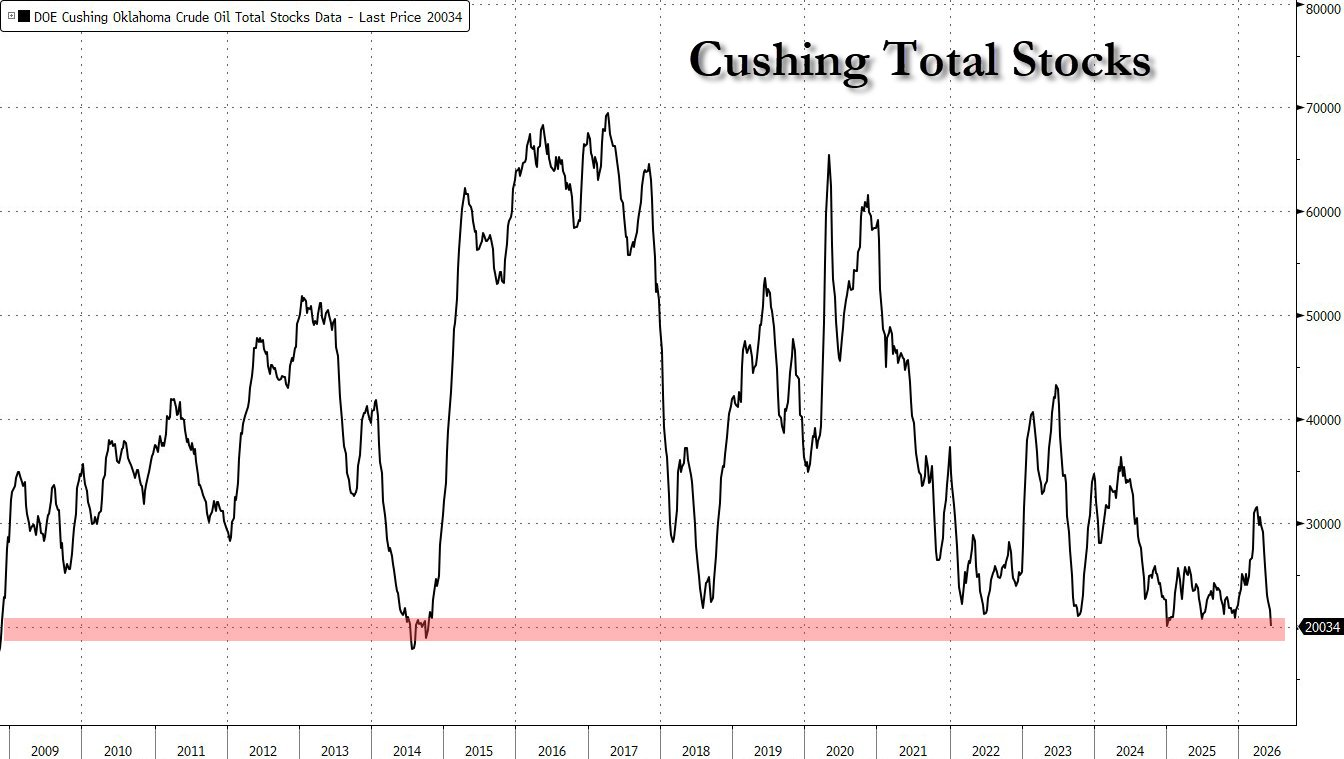
U.S. Strategic Petroleum Reserve stocks have plunged to around 340 million barrels as of mid-June 2026 — the lowest level since 1983 — after weeks of massive draws aimed at cushioning the blow from disrupted Middle East oil flows as a means to keep global prices down. Commercial crude inventories have also fallen sharply, with the key Cushing, Oklahoma storage hub now hovering near or below the 20 million barrel mark, what many experts say is actually the bottom of the tank.
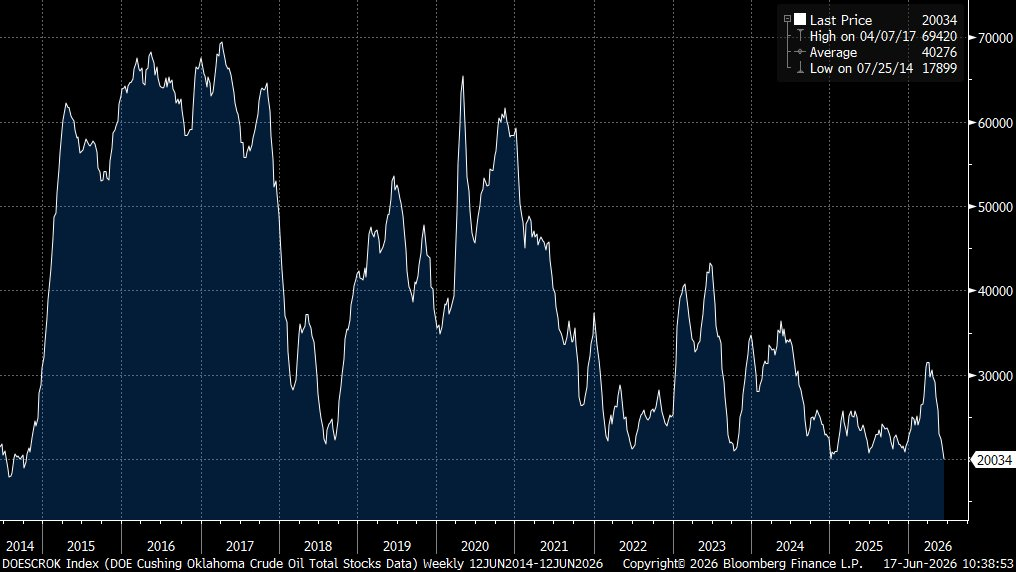
That level represents what the industry has long viewed as the operational floor. Yet as tanks continue to drain, the usable oil diminishes further because the bottoms fill with accumulated particulates, sludge and settlement material that cannot be effectively drawn out through outflow pipes and sent through pipelines to refineries. Analysts indicate the true functional bottom sits around 18 million barrels, meaning the nation is only a couple of weeks away from effectively exhausting readily usable supplies at this critical distribution hub by the end of June. Broader impacts are expected to hit hard in July.
Even if the strait reopens, shipping delays of weeks to months due to slow tanker speeds (7-10 knots), barnacle buildup on idle vessels, insurance risks and ongoing geopolitical uncertainty mean relief remains distant.
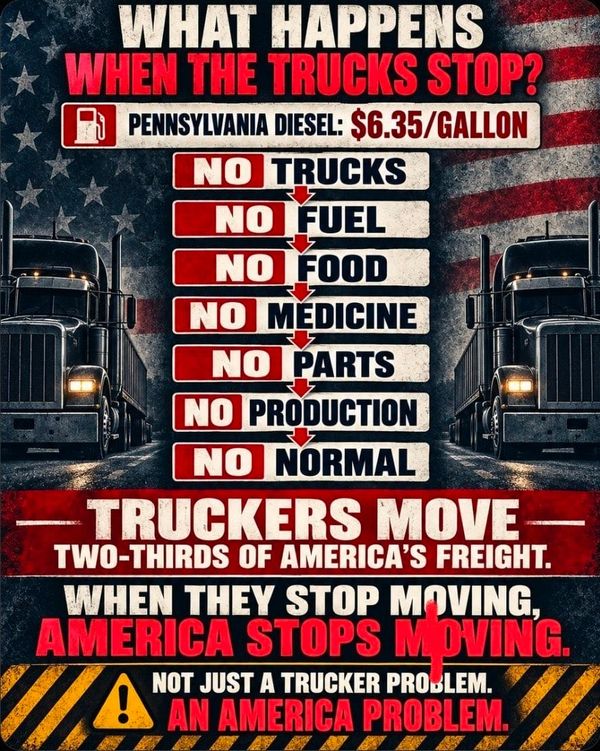
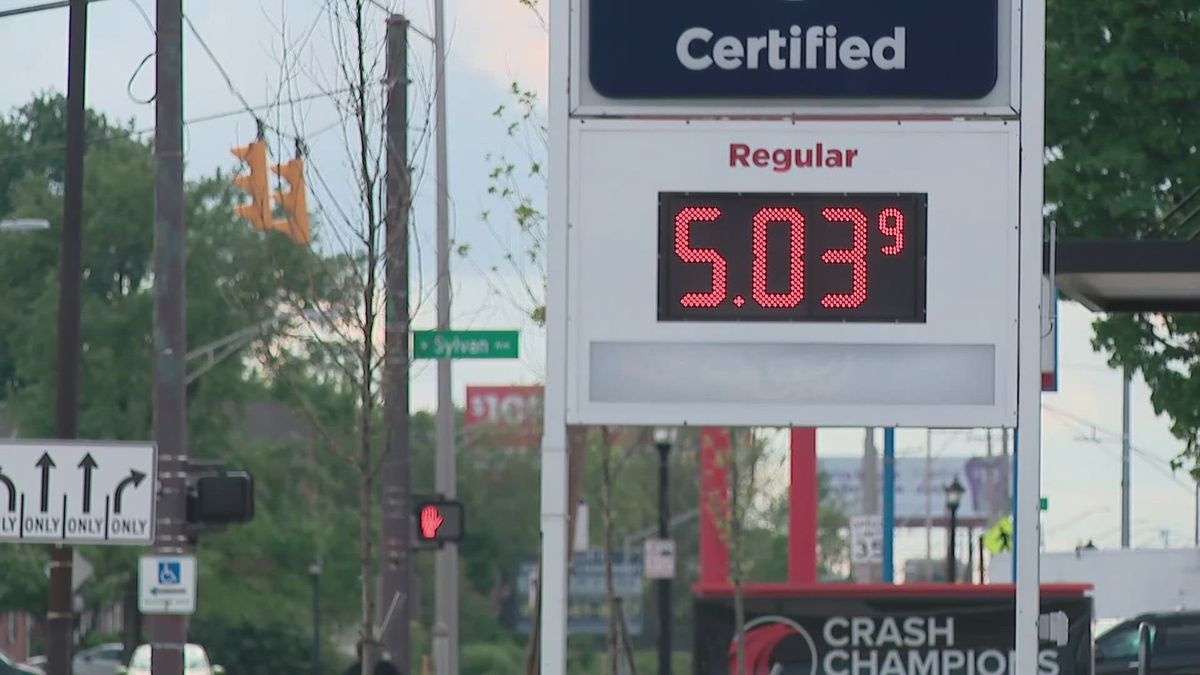
For Ohio drivers commuting to work in Cleveland, Cincinnati or rural areas, this translates directly to pain at the pump. Gasoline prices have already spiked significantly amid the conflict, forcing families to rethink daily commutes, carpools or weekend trips. Higher diesel costs are also pushing up trucking expenses, which ripple straight into grocery bills as food and consumer goods become more expensive to transport and stock shelves in Ohio stores.
The conflict, which has triggered record crude draws and strained global supplies, offers scant benefit to ordinary Ohioans or Americans at large, critics argue. U.S. involvement and support for Israeli actions have helped drain emergency stockpiles meant for genuine domestic crises, not foreign entanglements half a world away. With domestic production relatively flat and prices not high enough to spur major new drilling, the U.S. continues exporting oil while burning through reserves that could otherwise buffer families here at home.
Compounding the strain on Ohio communities is the rapid growth of data centers for artificial intelligence. These facilities consume enormous amounts of electricity, acting as major drains on the local grid in central Ohio and driving up residential rates. Families already facing higher fuel costs must contend with elevated bills to power homes, run air conditioning during summer heat Data centers powering artificial intelligence are intensifying the strain on the nation’s energy system by driving explosive demand for natural gas-fired electricity. U.S. data centers consumed about 4.4% of total national electricity in 2023, a figure projected to rise to between 6.7% and 12% by 2028 according to a Lawrence Berkeley National Laboratory report. These facilities require constant, high-volume power and are increasingly turning to natural gas as the primary dispatchable fuel, with projections showing potential additions of several billion cubic feet per day to national natural gas consumption in the coming years.
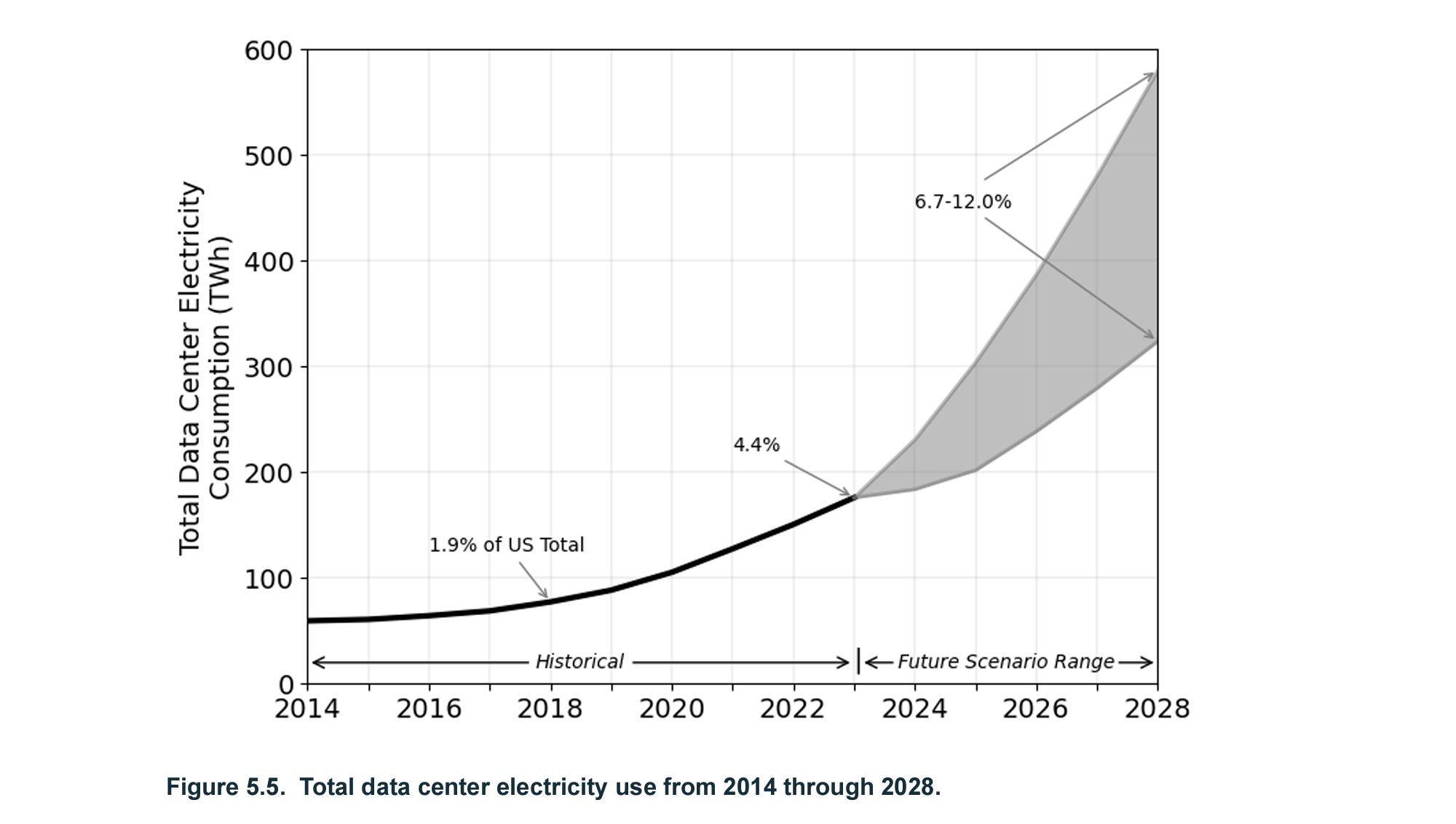
In Ohio, where central regions have become a major hub for data center development by companies including Microsoft, Google and Meta, the impact is especially pronounced. Commercial electricity demand, heavily influenced by these operations, now exceeds residential use in many areas. Utilities and developers are rushing to build additional behind-the-meter natural gas generation capacity, but the added load is pushing up residential electricity rates for families already grappling with higher gasoline prices for commuting and elevated grocery costs from diesel-dependent trucking.
The relentless baseload demand from data centers reduces the energy system’s margin for error at a precarious time. With the Strait of Hormuz situation disrupting global oil flows, Strategic Petroleum Reserve stocks depleted and domestic production relatively flat, the extra pull on natural gas leaves less flexibility to absorb shocks. Analysts warn this structural demand growth could sustain upward pressure on both natural gas and broader energy prices long after any temporary shipping delays ease, even as tankers would take weeks or months to restore normal flows.
For Ohio families, the combined pressures mean tougher daily choices. Higher electricity bills compound the pain at the gas pump and supermarket checkout, as data center consumption helps keep energy margins tight. This domestic demand dynamic turns what might have been a short-term oil disruption into a more prolonged challenge for working households with little direct stake in the foreign conflict driving the instability.
The agreements involved remain tenuous, described as non-binding memorandums of understanding rather than firm deals. Israel's stated opposition and potential ceasefire violations add uncertainty. Markets have not fully accounted for these risks, leaving Ohio farmers, truckers, manufacturers and working families vulnerable to prolonged volatility.
Despite these glaring warning signs signaling the approaching iceberg, no current candidate running for any Ohio office is discussing how they will plan to handle a potential economic catastrophe for average Ohioans. As July approaches and Cushing approaches these tank bottoms, Ohio citizens may be looking at a time when stockpiling food and gasoline for emergencies is no longer hypothetical, but simply pragmatic.