The Unknown Crisis: Homelessness in Ohio
BY LIZZIE MARGOLIUS
Researching an article on homelessness is a bit like researching an article on the best sourdough bread recipe. Everyone has their own data and experience, though I would argue that my neighbor’s bread recipe is the best. The data in this article is pulled mostly from Ohio.gov resources, but conflicts greatly with other websites and foundations and the reason is because we simply do not know how many homeless people there are in Ohio. We know statistics based on the number of people in shelters, or using services, but we have no idea of the “unknowns”, those who never use government services. Either way, the trend is clear, homelessness is rapidly growing, nationwide and within our state. And perhaps, the most challenging and upsetting trend is that homelessness amongst youth is outpacing all other demographics.
The media and Ohio’s government want you to hear the good news: homelessness year over year only increased 3%. But when you step back to look at the 10+ year trend, you’ll see homelessness has risen sharply for years. From 2012-2018 homelessness grew 31%, leaving 77,000 Ohioans without a home, while Ohio’s population remained relatively flat. From 2020-2023, homelessness jumped another 30%, while the population still remained relatively flat, and chronic homelessness (those utilizing shelters continually) jumped 64% during that same time.
One alarming trend is Ohio’s homeless youth population. Youth homelessness increased about 35% in the same period. Today, 25,000 Ohio youth are homeless, an increase of 25% since 2020. 36% of young adults in the foster care system experience homelessness at some point. And while homelessness continues to climb in Ohio, cities and counties are claiming they don’t have the funds to support shelters. (see my previous article on Ohio’s spending problem Op-ed: Let’s Talk About…Spending).
Cuyahoga County funds 2 winter shelters — while proposing broader cuts to homeless services
Steubenville facing housing crisis after shelters close
Columbus will feel more tragedy without proper shelter funding |Opinion
Both Springfield homeless shelters will close amid funding conflicts in 2026 | WDTN.com
What can Ohio do to help prevent homelessness and assist those who are already homeless? The most common root causes of homelessness are things like lack of affordable housing, unexpected life events, but primarily substance abuse and mental illness. Affordable housing has become the topic of the decade since the banks and Wall Street began buying swaths of homes during the 2008-2010 housing collapse (backed by government dollars…i.e. taxpayer money).
Since 2008 institutional investors have purchased 25%+ of all single-family houses sold. Private companies are projected to own 40% of single-family rental homes by 2030. More demand and less supply naturally causes an increase in home prices. Housing prices have gone up significantly since 2008 causing 1.2 million Ohioans to spend at least half of their income on housing related costs. When the costs become too burdensome, foreclosure rates and homelessness rates rise. Soaring housing costs plus limited wage growth plus massive inflation equals an increase in homelessness across the nation.
Preventing homelessness starts with getting our state spending under control, lessening tax burdens like property tax, and creating a thriving jobs market (which would include removing regulatory barriers). Removing regulatory costs and providing incentives to home builders, would create more supply, ideally creating a lower cost. Last year, multifamily units in Ohio made up 80% of all new residential construction, while single-family homes only made up 11%, but almost 30% of renters spend at least half their income on rent. Passing legislation to restrict institutional buying of homes would eliminate competition with Wall Street and increase competition amongst Ohioans looking for a home.
Preventing homelessness also includes dealing with the underlying causes: drug addiction and mental disorders and creating a place where homeless people can be treated for these issues in a safe, but no-nonsense way. Take a look at Rob Reiner’s son, Nick, who was schizophrenic and a drug addict. He had access to money and yet chose to be homeless. Nick Reiner did not suffer from homelessness because of unaffordable housing. There are many Nick Reiners across our nation, especially since opioids have taken hold of our neighborhoods. Ohio is ranked 7th highest in the nation for drug overdoses. Drugs and mental illness may also explain why our homeless population has increased amongst youth. Kids 18 and under have seen a rapid increase in mental illness and drug use.
There’s no easy solution in dealing with our current homeless population. Some argue that the “housing first” model is best, others argue that it creates a cradle-to-grave dependency on the government to provide endless funding for the homeless without treating the root cause. The “housing first” model is based on the idea that placing a homeless person in a stable home for a period of time, allows for mental health or drug addiction services to be provided and eventually a homeless person will go on to be self-sufficient and move out. But the “housing first” model has not aggressively solved our homeless population problem.
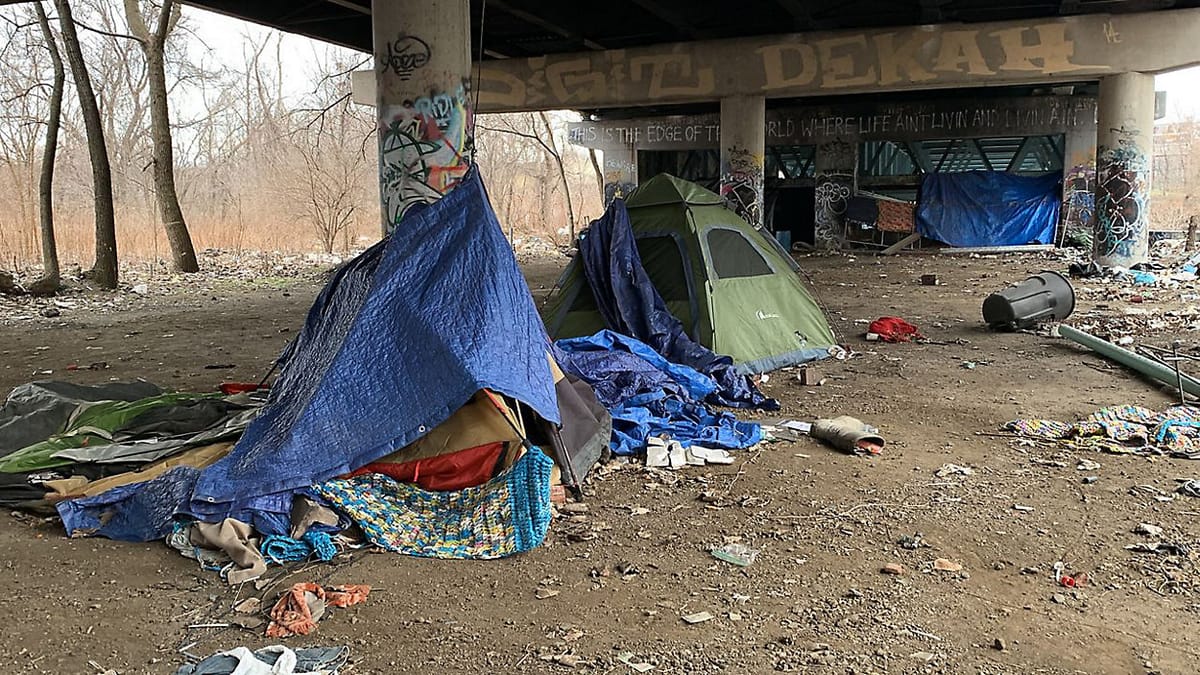
A Harvard study found that after 10 years of “housing first” only 12% of the homeless remained in housing. Michael Shellenberger, author of San Fransicko, found in various studies that basic shelters over expensive housing greatly reduced the deaths of the homeless because it gave them a safe place to go at night decreasing their chances of being killed or overdosing. When we actively encourage people to be homeless, it will only lead to more homelessness and this is one reason why tent cities have grown totally out of control. When society permissively accepts something, it will naturally increase. When society culturally shuns something, it will diminish. As Shellenberger declares, we need tough love and not gentle parenting when it comes to the homeless. We need to enforce laws and give homeless people who break laws the option of jail or treatment. We need to be compassionate, but firm and create a nucleus of care workers, group homes, and treatment centers for those homeless to be taken into.
Solving the homelessness crisis won’t happen overnight and unfortunately, there will always be those who choose to be homeless, and we will not have any control over that. But we do have control over providing shelters and services for our most vulnerable population. We have control over whether we enforce laws or allow lawlessness. We also have control over how we culturally react and whether we encourage homelessness or empathetically discourage it. I hope Ohio chooses the right thing to do for our homeless and the rest of the state.