
Amnesty Would Be The Ultimate Betrayal And Destroy The GOP For A Generation

BY JEFF SKINNER
STATEWIDE - A growing faction of conservative analysts and grassroots strategists are warning that any legislative shift toward immigration amnesty could permanently fracture the Republican Party's core electoral base. They point to recent midterm results and fiscal projections as evidence of deep underlying tension over the nation's economic and demographic future.
Advocates for strict border enforcement argue that immigration and deportations has evolved into the central issue tethering the structural foundation of the modern GOP—particularly working-class heritage males—to the party at large. According to this perspective, domestic workers increasingly feel displaced by an economic system that favors foreign outsourcing and cheap labor imports. For these voters, the explicit promise of mass deportations is seen as a necessary measure to protect domestic employment options and ensure long-term financial viability.
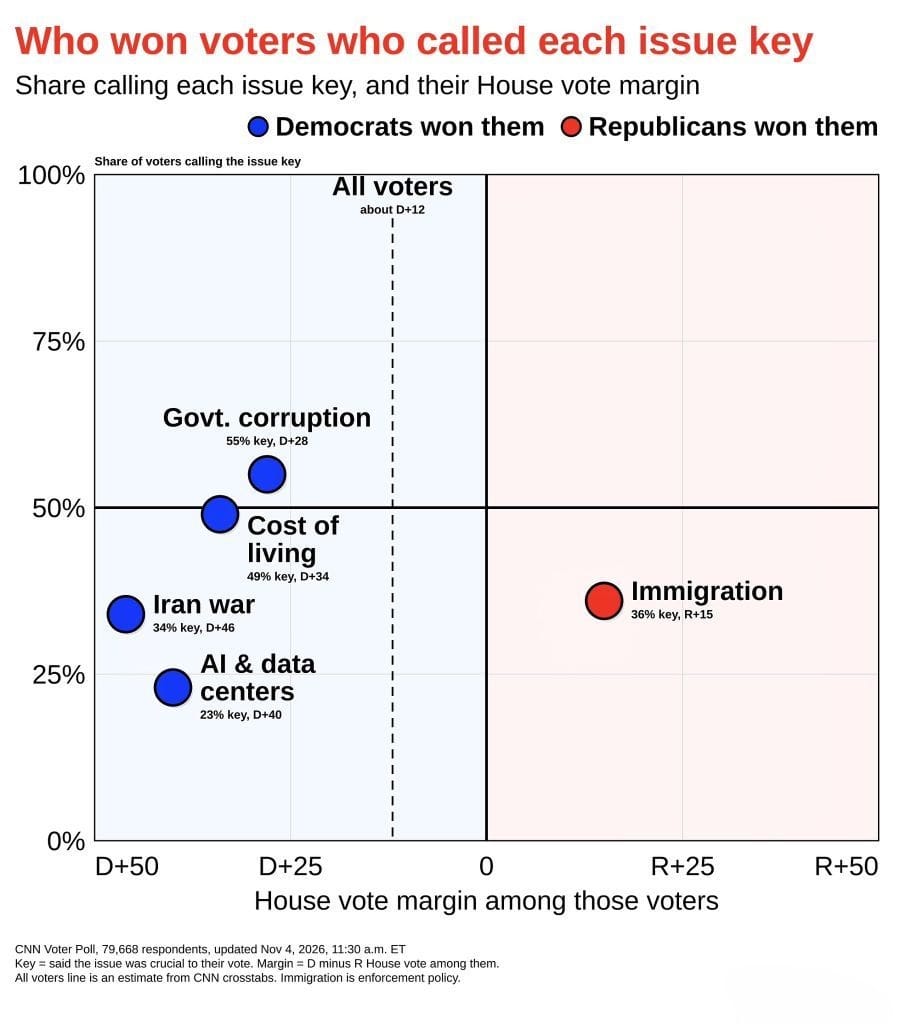
The political danger of pivoting away from this platform was underscored by the November 2026 election results in Ohio. The defeat of Republican gubernatorial nominee Vivek Ramaswamy to Democrat Amy Acton is being heavily interpreted by party traditionalists as a direct referendum on immigration policy. While Ramaswamy campaigned on high-skilled corporate pipelines and economic expansion, specifcally a platform of increasing the state population by 5 million while being the keynote speaker at the nations leading H1B conference, elements of the conservative base rejected what they viewed as an embrace of legal labor replacement through expanded H-1B visa programs. This resistance stood in sharp contrast to the massive conservative alignment behind parallel state measures, such as strict voter identification laws designed to secure ballots against non-citizen participation, which passed handidly. In short, voters maintained strict allignment in Ohio on the issue of immigration, even if the Republican party leadership did not.
Beyond the electoral fallout, budget analysts are raising alarms over the profound long-term fiscal strains that legalization would place on the American social safety net. Under current federal law, undocumented immigrants are barred from accessing most major public benefit programs, making them temporary net contributors to systems like Social Security through automatic payroll deductions.
Amnesty would fundamentally reverse this dynamic, transforming millions of individuals into net beneficiaries. Data from the Center for Immigration Studies (CIS) indicates that granting legal status would impose a lifetime net cost on Social Security and Medicare Part A of roughly $129,000 per recipient. If applied to a population of 10 million individuals, which is a minimum count according to most with some saying the real number is closer to 100 million, the resulting long-term obligation would introduce an estimated $1.3 trillion strain on federal trust funds that are already facing projected shortfalls.
Furthermore, research from The Heritage Foundation projects a substantial expansion of state and federal expenditures across means-tested welfare programs. Because the average amnestied worker falls within a lower-income bracket, a significant percentage would immediately qualify for Medicaid, food assistance (SNAP), and the Earned Income Tax Credit. Heritage Foundation models estimate that full welfare and medical subsidy access could cause the annual fiscal deficit associated with these households to more than double, creating immediate infrastructural and budgetary pressure on local municipal services.
Further, some analysts believe the attempted discussion is designed to try and court more voters over to the conservative ticket from immigrant populations, something that is as foolish as the plan itself.
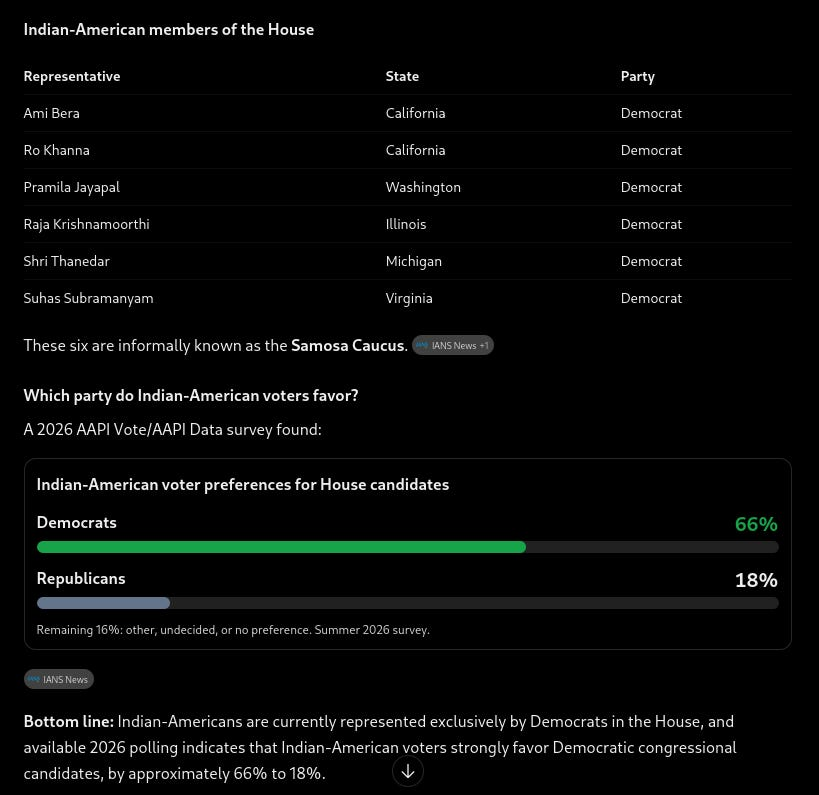
Political strategists tracking these alignments point to recent electoral data in states like Texas as a warning against the national party pursuing minority demographic coalitions at the expense of its core base. Despite concerted efforts by some Republican factions to court burgeoning immigrant communities, polling data from groups like AAPI Data reveals that groups such as Indian-American voters remain heavily aligned with the opposition, favoring Democratic candidates by a margin of 66% to 18% . Critics of comprehensive immigration reform argue that attempting to win over a demographic reliant on high-skilled H-1B pipelines or newly legalized individuals is a flawed electoral strategy. They contend that because these groups historically vote overwhelmingly for Democratic candidates once integrated into the electorate, granting amnesty or expanding legal migration paths would ultimately dilute conservative voting power and permanently flip historically reliable red states and districts to the Democratic column.
Ohio stood relatively good in comparison to other states after the midterm pushback of American citizens against the perceived abandonment of the majority of the administrations campaign promises by sitting on a conservative majority in the Ohio House and Ohio Senate. Should the national party betray its last remaining pillar tethering young American men to the party, it might fundamentally destroy the GOP for a generation or more both through fiscal dynamics and demographic shifts in the voting block, fundamentally making conservative victories untenable for decades.