"Be Nice" - New Plan Prepares To Roll Out To Address Springfield Need
BY JEFF SKINNER
SPRINGFIELD - A local religious leader is set to unveil a new grassroots social support program at Tuesday’s City Commission meeting, aiming to build a volunteer-driven network that addresses immediate community needs before they escalate into larger systemic challenges.
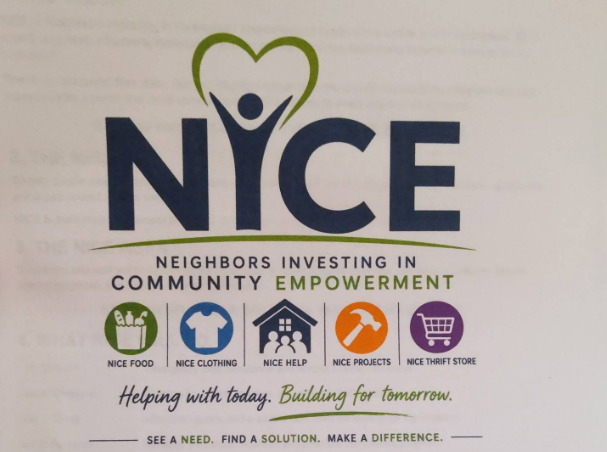
The initiative, titled Neighbors Investing in Community Empowerment (NICE), is the brainchild of Rev. Ken “Barron” Seelig. Operating under the slogan “We don't detain... we help sustain,” the program is designed to provide practical, non-judgmental assistance to Springfield residents while establishing a pilot framework intended for eventual national replication.
"NICE is people helping people," Seelig said. "A hand up can be more powerful than a handout."
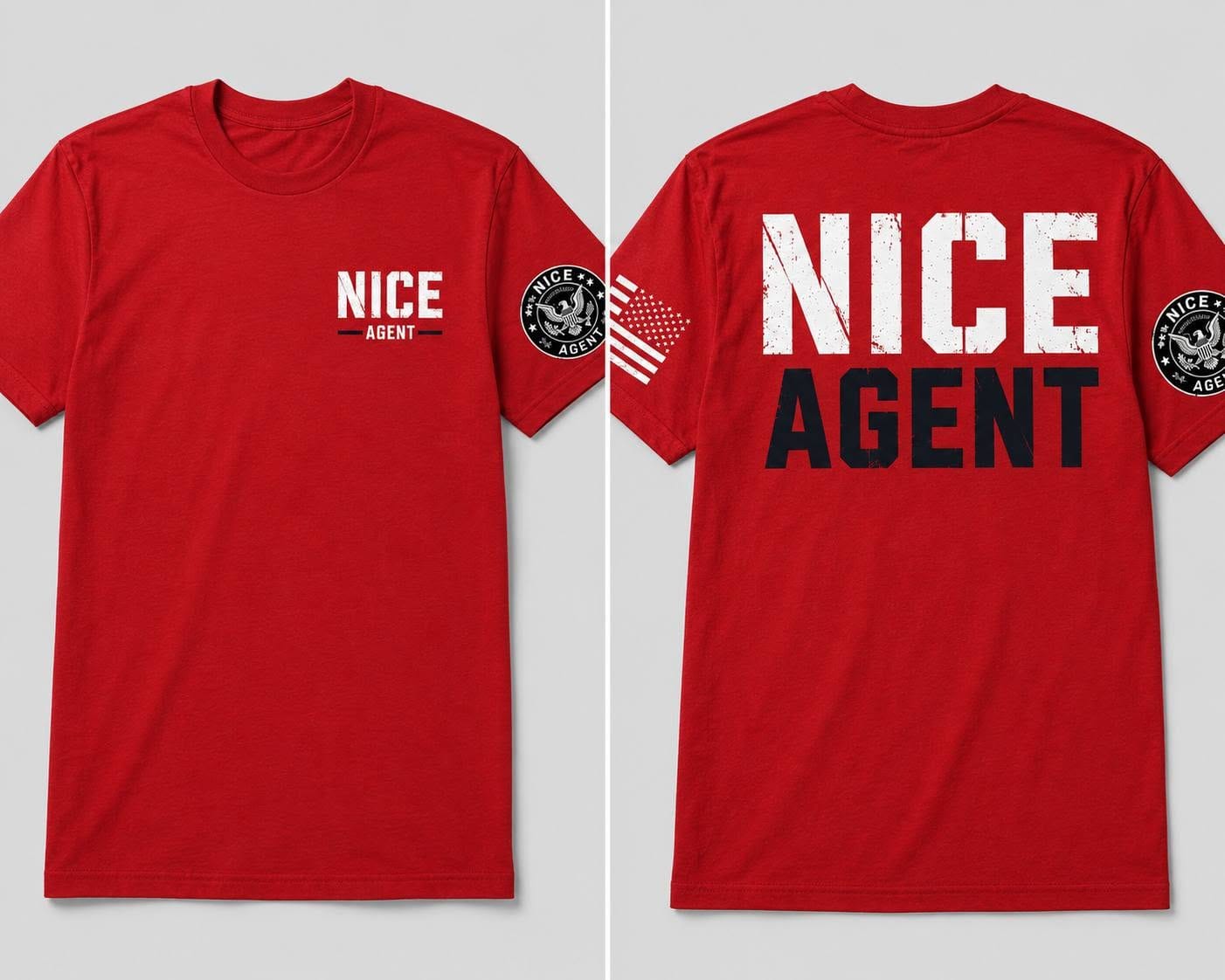
According to Barron, the program relies on a network of "NICE Agents"—a cohort which will be comprissed of retirees, students, veterans, skilled tradespeople, and civic volunteers. These agents will be trained to listen to residents' difficulties without judgment, assess immediate hardships, and directly implement solutions or connect individuals to existing regional resources.
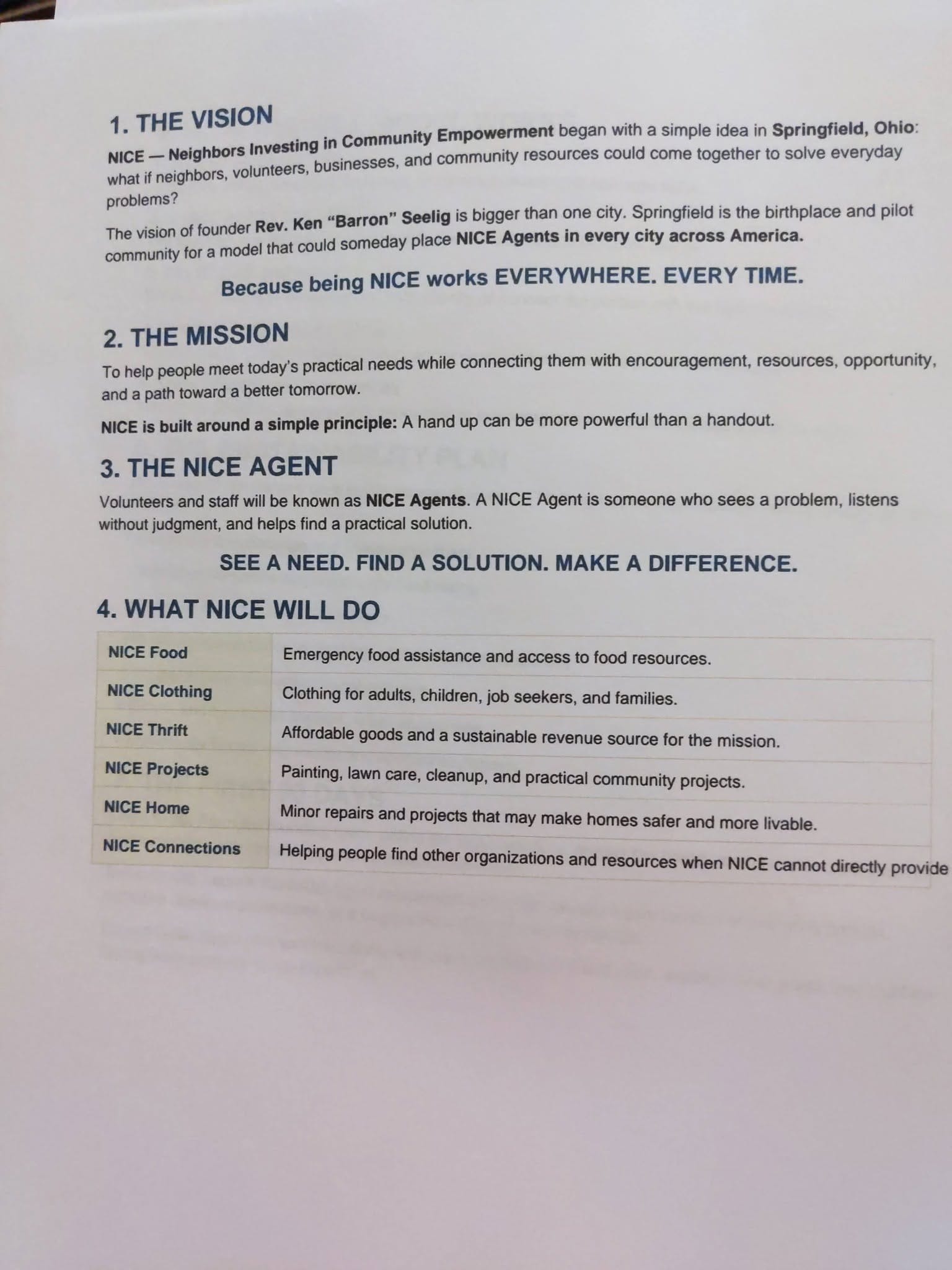
The program is aiming to focus heavily on filling gaps in practical daily needs. The proposed service menu includes emergency food assistance, clothing distribution for families and job seekers, minor home repairs, and basic property maintenance such as lawn care and yard cleanups. To ensure ethical operations, volunteers must adhere to a strict "NICE Agent Code" that mandates treating all participants with dignity, respecting personal privacy, and operating strictly within the boundaries of their physical and technical skills.
Funding and sustainability plans for the movement draw from multiple sectors. Organizers are currently seeking founding partnership tiers ranging from $1,000 to over $25,000 to establish the initial Springfield pilot. Long-term operational costs are projected to be sustained through corporate sponsorships, private individual donations, grant funding, and revenue generated from a planned NICE Thrift Store.
Currently, the program plan is in its first 90-day timeline, following its public introduction. The first 30 days will focus on forming the founding leadership team, establishing organizational compliance, and recruiting initial volunteers. The second month will emphasize outreach to the local business community to secure skilled professionals and establish formal donation procedures. By the final 30 days of the cycle, organizers plan to initiate pilot services, document community requests, and track financial metrics to evaluate the viability of the model.
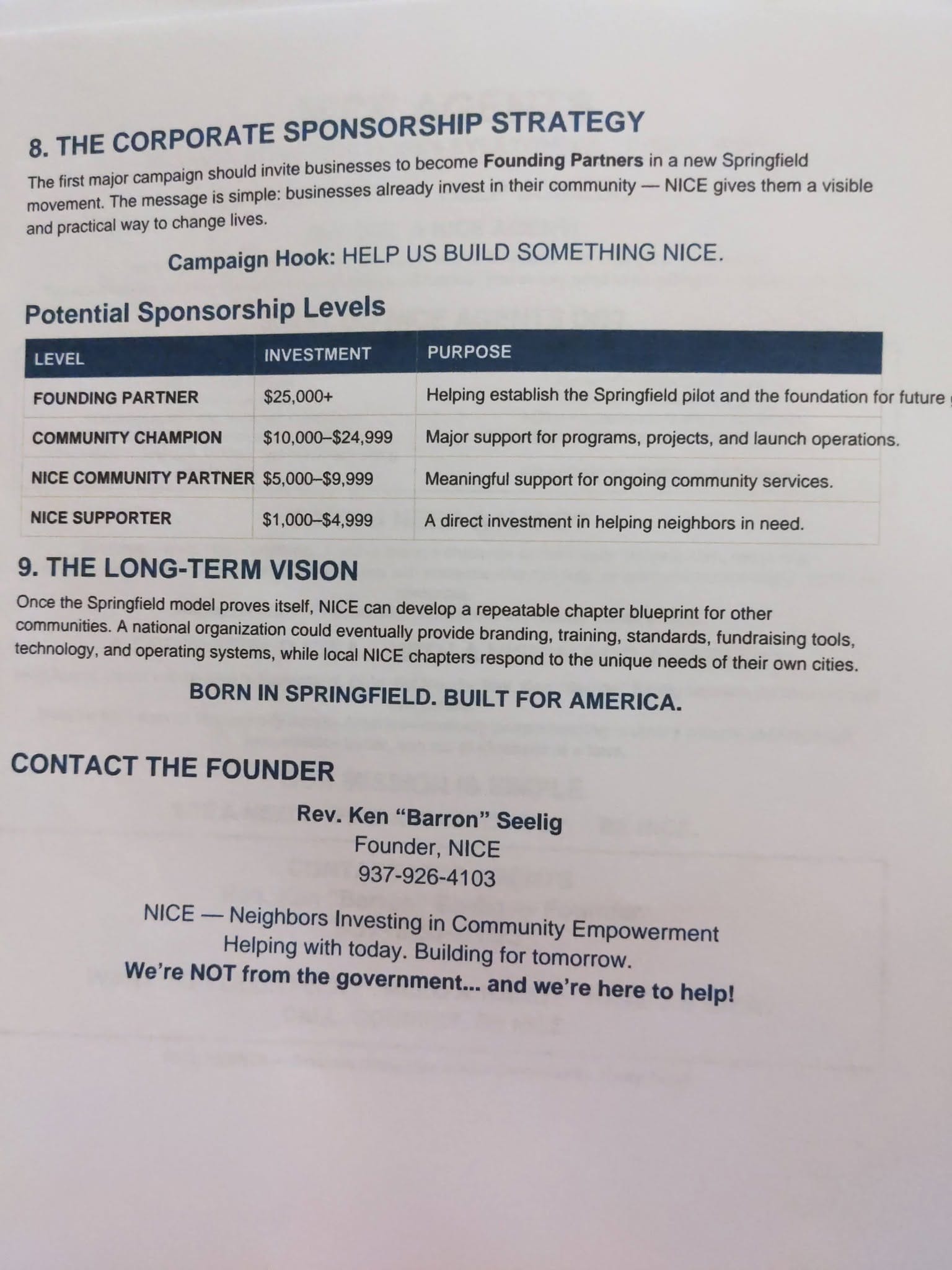
Ultimately, Seelig envisions the Springfield project as the birthplace of a structured national blueprint. A parent organization, NICE National, is planned to eventually provide branding, standardized operating technology, and training infrastructure for other municipalities looking to launch independent local chapters.
Seelig is scheduled to formally present the program structure and field questions from local officials during Tuesday's commission meeting. Those seeking more information can reach out to Barron directly and stay tuned for updates.