Findlay City Council Passes Data Center Moratorium
BY JEFF SKINNER
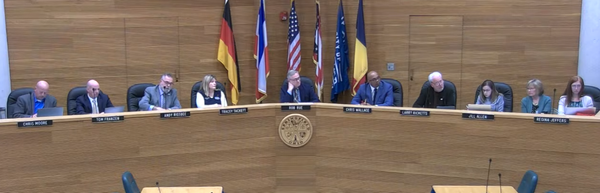
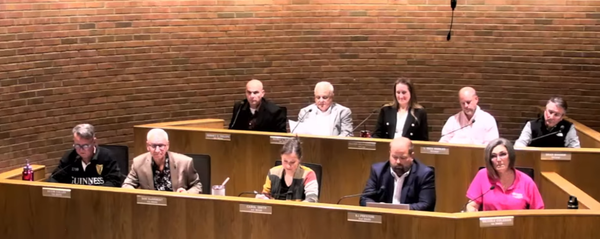
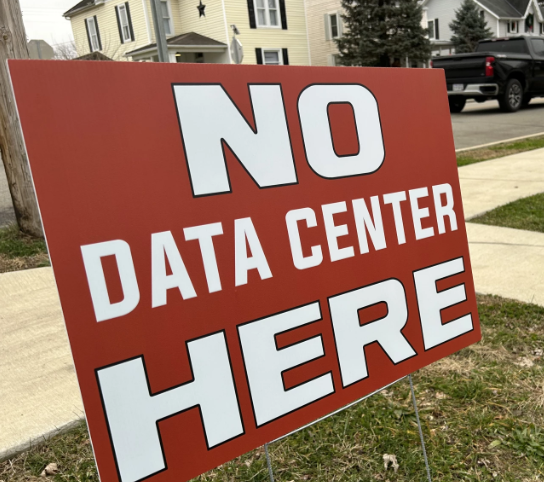
FINDLAY — Findlay City Council approved a 12-month moratorium on new data centers Tuesday night, giving city officials time to study federal, state and local regulations amid resident concerns over power demands, water use and infrastructure strain.
The 9-1 vote on Ordinance 2026-42 came after a public comment period in which one resident’s remarks were cut short for straying into criticism of a council member’s conduct at an invite-only meeting on the topic.
The ordinance imposes a temporary ban on “the establishment, conversion of other structures or buildings into a data center” or any development or change of use that would allow one. It takes effect immediately and runs for 12 months from the effective date to allow time for review of applicable codes.
Councilman B.J. Preston cast the sole “nay” vote. He told colleagues the issue was largely a Hancock County matter because developable land lies mostly outside city limits. Preston, who has been involved in data center construction, said modern facilities are increasingly self-sustaining and use less utility infrastructure than in the past.
Councilman Rodney Phillips, who co-sponsored the original moratorium proposal with Councilman Dan DeLong, supported immediate action. “There’s a lot to learn,” Phillips said, noting that some data centers are small and scalable while others may produce net energy. He said the pause would protect the city while officials study the 'full picture' rather than react to one negative aspect.
The moratorium reached its second reading Tuesday and was fast-tracked to a third reading after Councilman Kevin Cullen moved to suspend council rules. The suspension passed with the required eight votes. The final roll call showed Council members Nichole Coleman, Cullen, DeArment (or DeLong per some records), Delong, Kenzinger, Needles, Phillips, Smith and Wagner voting yes; Preston voted no. Mayor Christina Muryn presided.
Public comments on the moratorium highlighted divisions. One speaker, identifying economic risks, described a “triangular economy” among large AI companies circulating roughly a trillion dollars internally, creating a hyperscaling bubble. He warned of power-grid bottlenecks — the U.S. has added far less capacity than needed — GPU shortages, hardware degradation and unprofitability at major AI firms such as OpenAI, which he said faces projected multibillion-dollar losses. He urged the moratorium to avoid saddling the community with half-built facilities if the bubble bursts.
Another resident raised broader concerns linking data-center proponents to public-private partnerships, surveillance technology and figures named in past controversies, urging council to research before approving any projects.
The flashpoint came when Renee Leguire, a Ward 4 resident and Republican central committeeperson, addressed the council. Leguire first asked members to suspend rules and pass the moratorium that night so citizens could have input and officials could research “possible dangers.” She then pivoted to criticism of Councilman Dan DeArment’s “unprofessional and aggressive behavior” at an invite-only meeting on data centers and called for his resignation.
Chairperson interrupted immediately. “You’re out of order. Speak to the data center issue, not to the camera,” the chair said. When Leguire replied that the behavior was part of the data-center issue, the chair cut her off: “You’re done.” Leguire was not allowed to finish her remarks. The exchange underscored resident frustration over transparency.
The data-center debate followed more than an hour of other public comments, mostly opposing high-density housing proposed in the Shady Grove annexation. Residents Patrick Hunt, Miss Hutton, Holly Frische and Roxanne Luplo warned of added traffic on Township Road 237, worsening flooding from impervious surfaces, strained water pressure and inadequate public-safety staffing. Hunt, who lives downstream from a golf course, said his property floods regularly and blacktop from 400-500 new units would exacerbate it. Several urged council to consider R-1 zoning instead of the developer-requested M-2 multifamily classification and to complete traffic and infrastructure studies first.
Council took no final action on zoning or annexation Tuesday. It approved a resolution stating what services the city would provide if the 45.9-acre Shady Grove parcel in Marion Township is annexed. The resolution passed after discussion of a potential 75% 15-year tax abatement requested by the developer. Officials noted the developer would handle all infrastructure, keeping internal roads private, and had offered to donate 7 acres west of a wetland for a neighborhood park with trails. The resolution does not approve the annexation or zoning; those steps remain pending planning commission and further council review.
The data-center moratorium is the latest response to industry interest sweeping parts of Ohio. Similar pauses have been proposed or enacted in other communities concerned about grid capacity, water consumption and land use. City officials have said the 12-month window will let them draft potential zoning language in coordination with the planning commission while monitoring state legislation.