Springfield Commission On Hotseat with Fire Department
SPRINGFIELD — The Springfield City Commission heard a pointed public comment period that highlighted resident frustrations over local governance, resource sales and city salaries which spearheaded the ongoing controversy surrounding the organized fire department ‘brownouts’ throughout the city and whether the commission is practicing sound financial management.
During the informal public comment segment, several residents addressed the commission, with remarks from Melissa Rexroth and Diana Daniels drawing particular attention for their focus on fiscal accountability, natural resources and perceived lack of transparency.
Resident Diana Daniels spoke on the city’s natural resources, referencing to a prior meeting where city water was described as "for sale." She connected that to recent land transactions, noting that CMH01 Holdings purchased 113 acres adjacent to former Nexus Lexus property in March 2026 for $8 million. Daniels highlighted an initial outlay in 2024 and questioned the implications for local resources, including a projected 200-megawatt power need and a 15-year, 100% enterprise zone tax abatement.
"Whether or not you are for or against data farms or solar for that matter is completely up to you, but you're leaving us out of the loop," Daniels said.
She noted the project could create a handful of jobs but urged consideration for residents in nearby developments like Melody Park. City officials responded that no new project requiring commission approval is currently before them and that property owners may sell land freely; any future expansion would undergo standard review processes.
Resident Melissa Rexroth also addressed City leadership, punctuating the ongoing debate in the city on financial management and responsibility. Rexroth commented that Manager Brian Heck’s compensation has increased significantly, citing a rise from $145,000 in 2019 to $229,595 in 2025 — an increase of more than $84,000 over six years. She contrasted that with Springfield's median household income of roughly $46,000 and questioned the approval process for such raises amid resident dissatisfaction documented in city surveys.
Rexroth also criticized what she described as a lack of transparency and proactive leadership, pointing to issues such as fire department staffing shortages, equipment outages and an overall reactive approach to problems. She referenced awards received by city officials and departments, arguing they contrast with on-the-ground realities faced by residents.
"Springfield's median income for a household is $46,000. Most of your constituents make $46,000," Rexroth said. "Why? Who makes these raises? What process does this go through?"
Other commenters echoed concerns about spending priorities, panhandling regulations, emergency response staffing and development decisions.
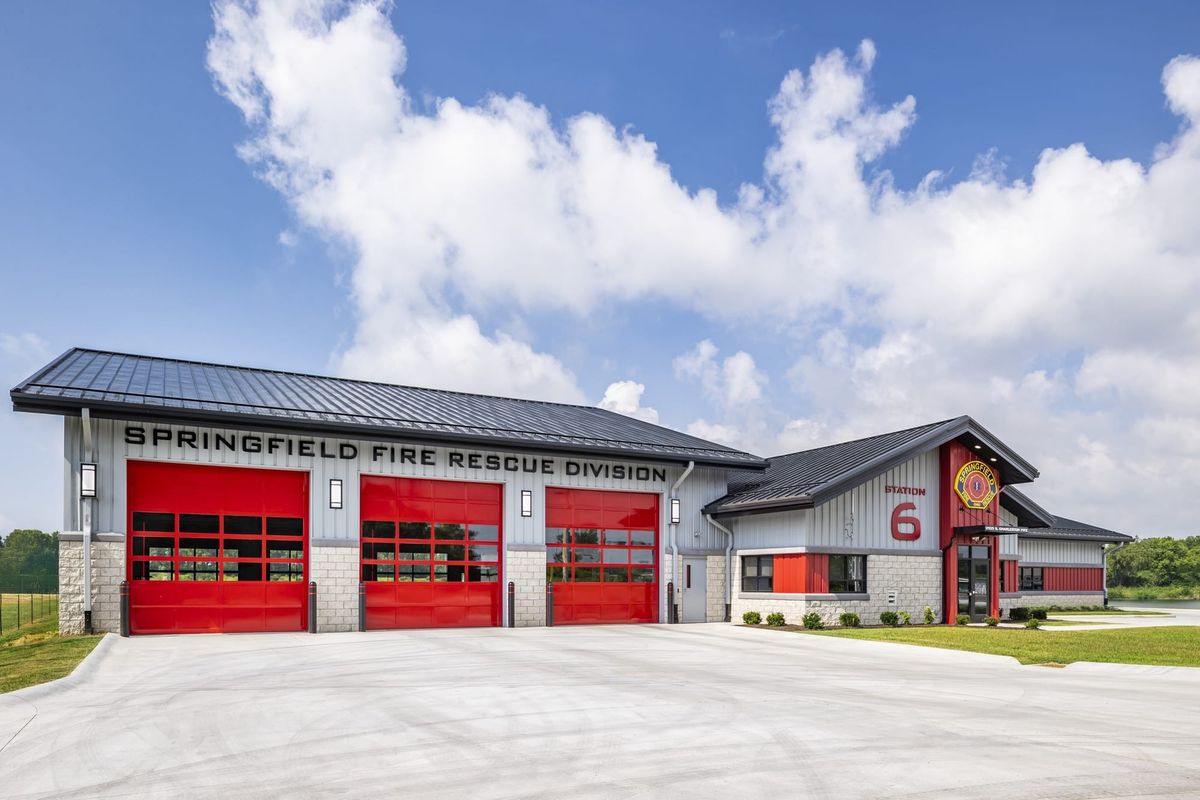
Setting off a longer debate was Springfield Professional Firefighters Local 333 President Scott Wolf, who addressed public safety, warning that understaffing has led to units being placed out of service and increased risks. City Manager Brian Heck and Fire Chief King detailed temporary operational adjustments, including a pause on mandatory overtime and occasional brownouts at Station 6, while noting response times remained near 6 minutes and 21 seconds citywide.
The debates punctuate a sharp disconnect within the Springfield city government, which local 333 has illustrated by pointing out the continued emphasis on constructing new department facilities, such as a new fire station, while not fully addressing staffing needs.
Officials acknowledged staffing pressures from retirements, FMLA, injuries and academy timelines but outlined plans to reinstate forced overtime after new recruits graduate April 30 and to evaluate long-term solutions, including potential increases in authorized strength.
The department is currently funded by state and federal level grants through the SAFER program, authorized through FEMA. It is through this funding mechanism that the city is may be able to afford the roughly 10 new positions coming through training, though the union is asking for up to 15 to attempt to alleviate the pressure of staff.
The city would not be able to adequately fund more personnel if those grants were unavailable, since the city’s income tax revenue has flattened despite the Haitian influx. Firefighters have worked over 1,775 hours of mandatory overtime so far in 2026—roughly 40% of the entire previous year's total.
The Union has maintained at the city has failed to uphold the city's charter requirement on staffing and has struggled to provide standard raises for staff, in contradiction to commission leadership increases, which has seen exorbitant increases in just a few years.
The current city strategy is to remove mandatory overtime, though voluntary is still available. Members of the union have argued this could create dangerous periods of time in which territories are unprotected, though the city argues this will be temporary.