Findlay City Council Postpones Vote on Heartland Forward Initiative Amid Conflicting Presentation

FINDLAY - After weeks of increased scrutiny over the Heartland Forward 30 by 2030 initiative shook the foundations of the city's agenda, the city council has moved to postpone the vote until the next council meeting, calling into question if the initiative has the possibility to pass under rising pressure.
During the regular meeting of the Findlay city council, members of the public spoke out against the passage of the Heartland Forward initiative, which would see a globalist linked thinktank conduct a deep dive into the city, collecting data on everything from race, gender, homeownership, migratory workforce and more from the population as part of an initiative to drive ‘investment’.
So significant was the public backlash that Heartland Forward, which had already begun listing Findlay as a city in their 30 by 2030 initiative, despite no council vote, removed the city's name from their website marketing.
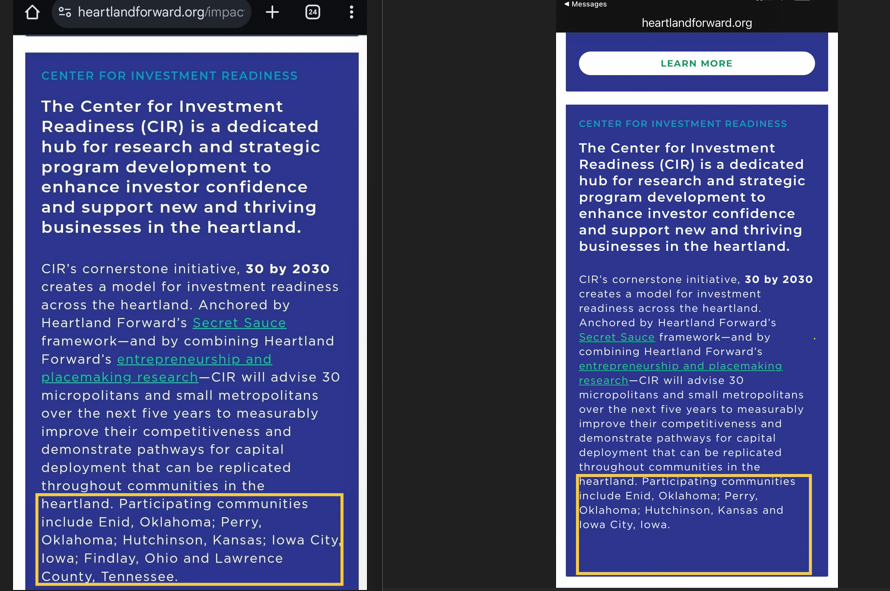
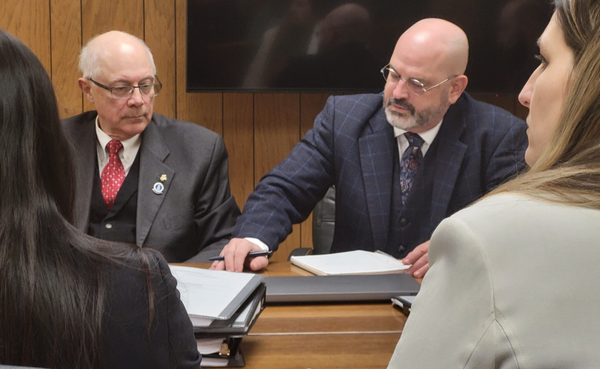
The resolution, despite asking for emergency passage in its initial reading some weeks back and a five year commitment to the initiative, has been delayed, which led to an hour-long presentation from Heartland Forward earlier in the afternoon in an emergency meeting of the council just prior to the regular session. While the goal of the presentation was to assuage public concerns and allow council members to ask questions, few council members asked relevant questions to the organization and there are now lingering questions as to the responses received.
During the pre-meeting presentation, somewhat available on Youtube without any sound from Heartland Forward, Mayor Muryn attempted to address one of the more deleterious concerns about the data collection project, namely that Heartland Forward may be attempting to use information collected to facilitate replacement labor migration into the area. While one council member attempted to direct a question to Heartland Forward regarding immigration, Muryn interjected, answering on their behalf.
“I would add because I know there's been a lot of comments around, ‘oh, they did a policy paper on how to help immigrants engage in the workforce.’ So, I just want to nip that one in the bud. They did a policy paper, as they can do for us, on topics that a community requested to provide guidance. Not everything that they do is going to apply for us. Not everything they do is something that we're interested in. So that's what the 10-week process does, is ‘hey what is the data showing about our community? Where are we doing really well and what can they learn to share with peer communities that we are doing?’ But also it helps us tell our story which I think is a really big part.”
While it is accurate that much of the ado regarding the project is about ‘telling a community's story’, the mayor’s statement that the previous policy papers issued on emphasizing immigrant labor to fill shortages was only pertaining to an individual community, at that community’s request, is entirely inaccurate.
During the presentation for Findlay, Heartland Forward described their methodology for collecting information to correlate into their ‘Secret Sauce’ framework for guiding sound investment strategies for local communities, which comprises the crux of what the organization is doing.
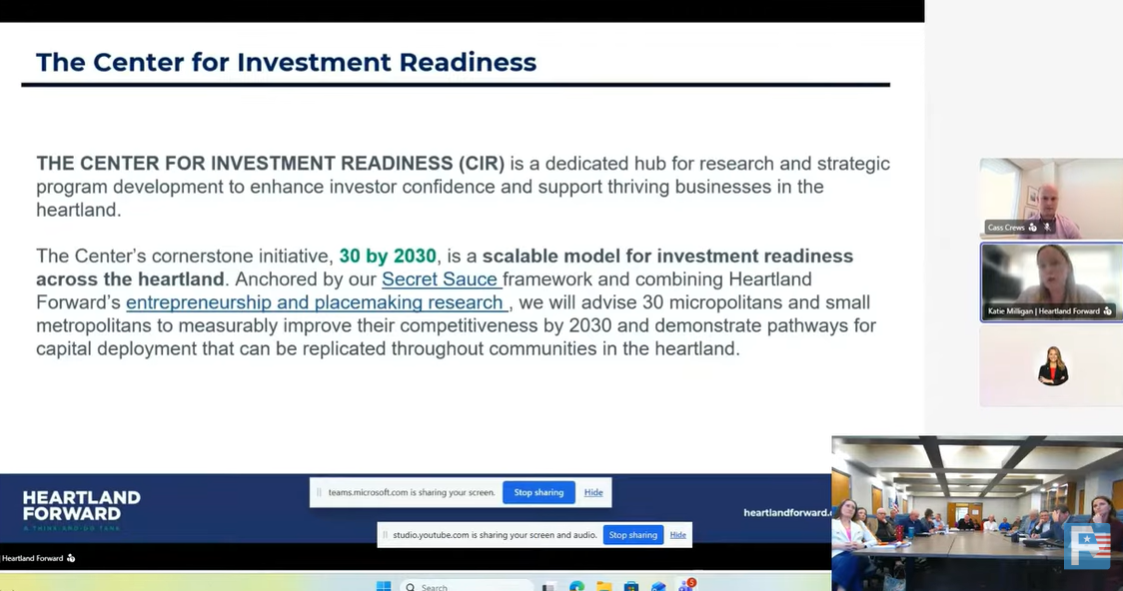
Heartland Forward annually recognizes cities for their ‘Secret Sauce’ framework guidelines, which they describe as a unique combination of values, assets and priorities making those specific heartland towns thrive–and highlights them at the annual ‘Heartland Summit.’
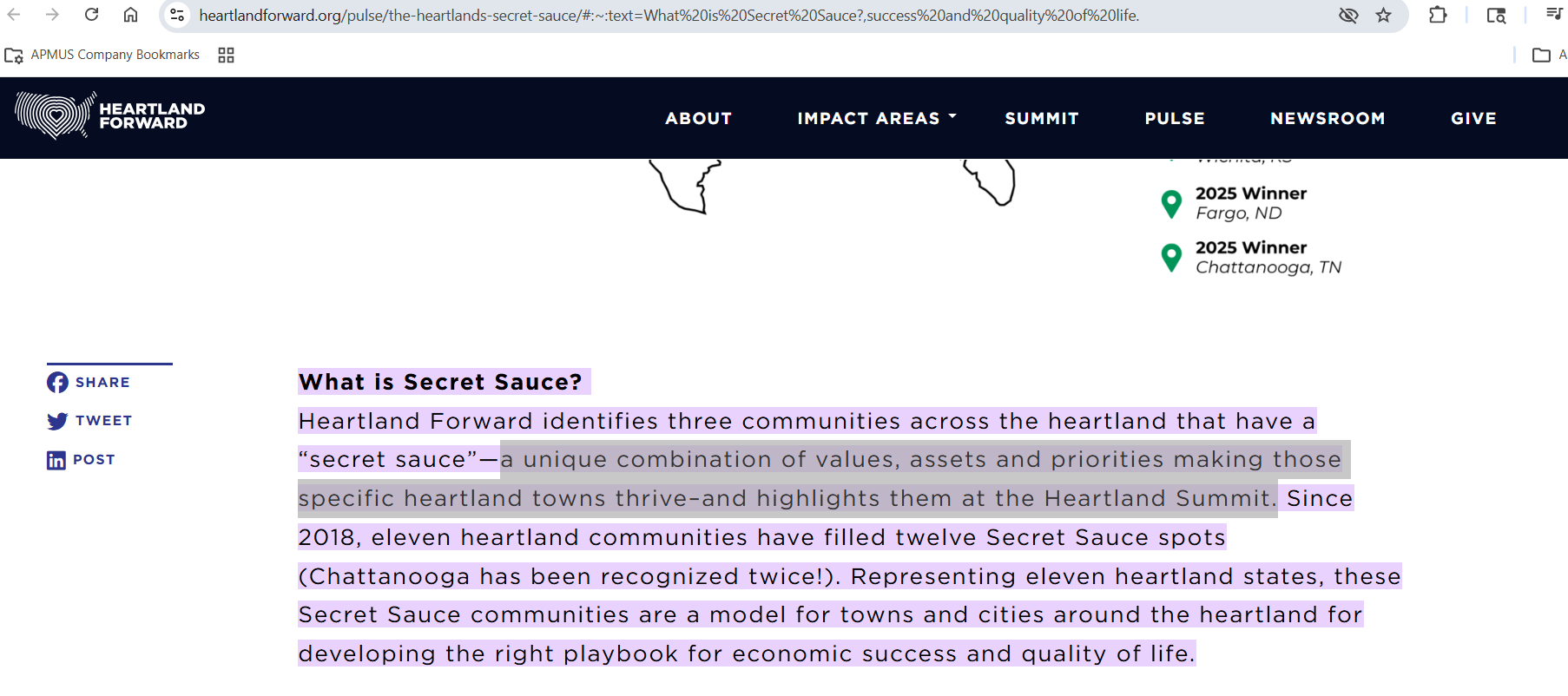
Heartland Forward formally recognizes these territories as being a framework for other cities and states to follow. In 2025, Heartland Forward recognized two major cities at their annual summit, Fargo North Dakota, and Chattanooga Tennessee.
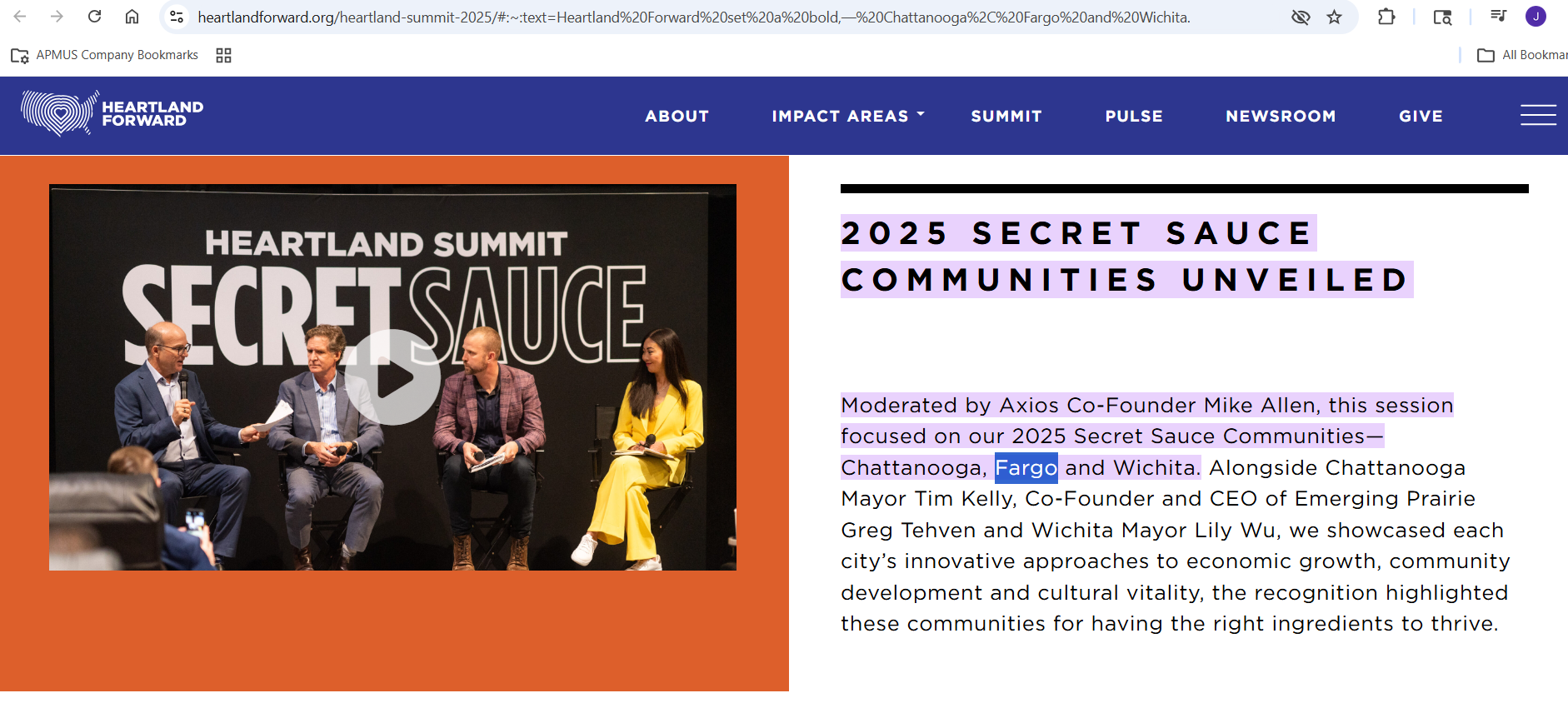
During their presentation recognizing Fargo, specific emphasis was placed on the city’s ability to sustain a 1% job growth rate, specifically in the hospitality and food industry, by its proactive use of refugee resettlement and international labor to sustain it.
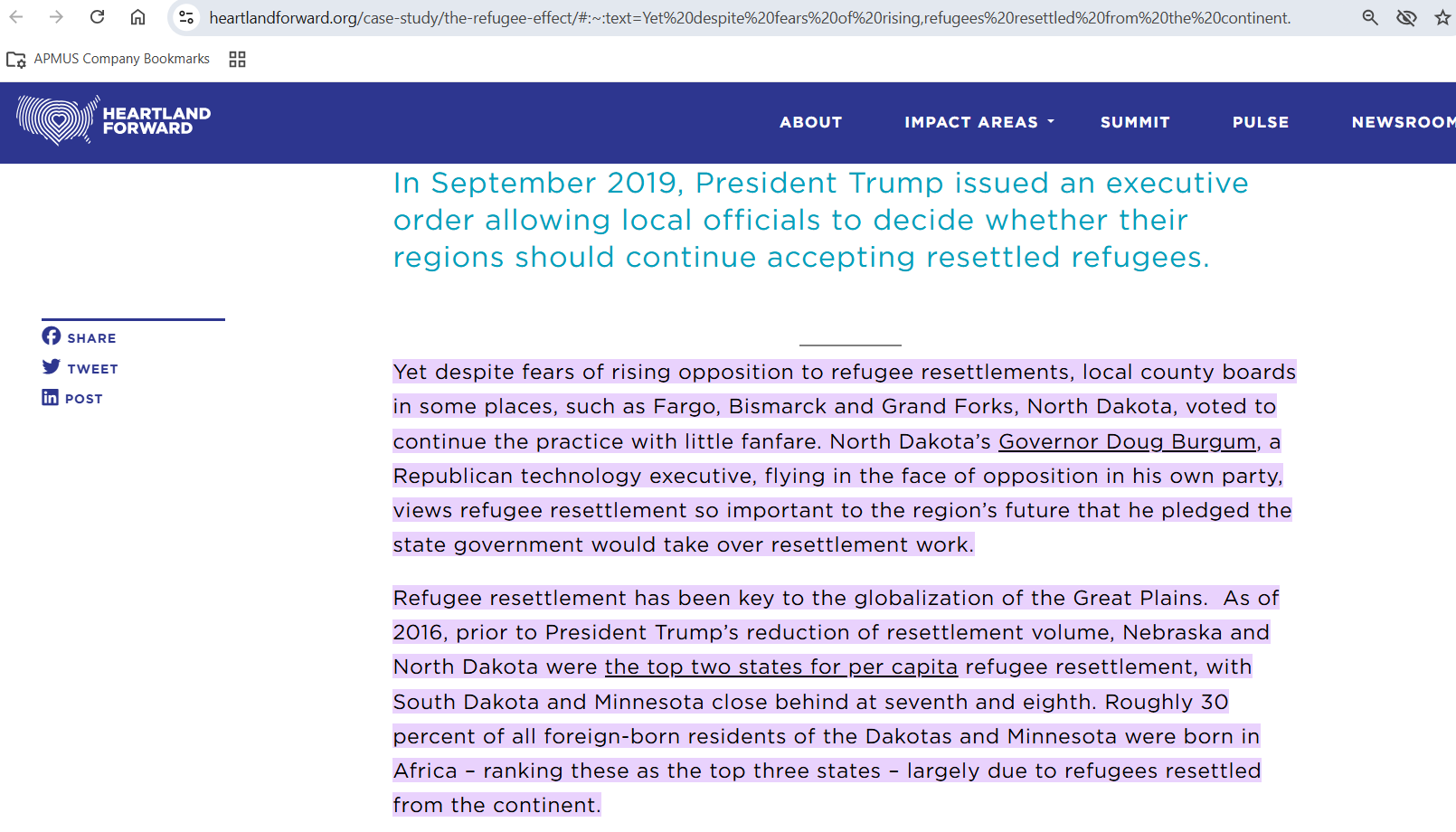
The outline spotlighting this emphasis, which guided the community to their award, was summarized in Heartland Forward’s 2021 report titled ‘The Refugee Effect’. The publication, authored by Mark Schill, lead analyst for Praxis Strategy, a frequent collaborator with Heartland, praised the then governor’s policy to defy President Trump and the Republican party and have the state take over refugee resettlement in the area. In short, the highlighted award-winning strategy that was part of the 'secret sauce' guidance for Fargo in 2025, as emphasized by Heartland Forward, which they see as a model for others to follow, is facilitating immigration labor.
It may be difficult for one to believe Mayor Muryn that these are simply 'reports' generated at the behest of local communities upon any minor introspection. It seems blatantly evident from the organizations own publications and annual national summits these items are value judgements and guideposts based on actions by the organization, as seen by the award presentations and national spotlights, and not individualized reports constructed at the request of the local municipalities simply ‘collecting inert data’.
Based on the presentation from Heartland Forward, the information the organization plans to collect will run the gamut of everything from workforce migration, home ownership, race and age or workforce and citizens and much more. The preposed idea will create two dashboards, one with public access and one with only government access. All of which is designed to drive undisclosed and unstated 'investment' into the city.
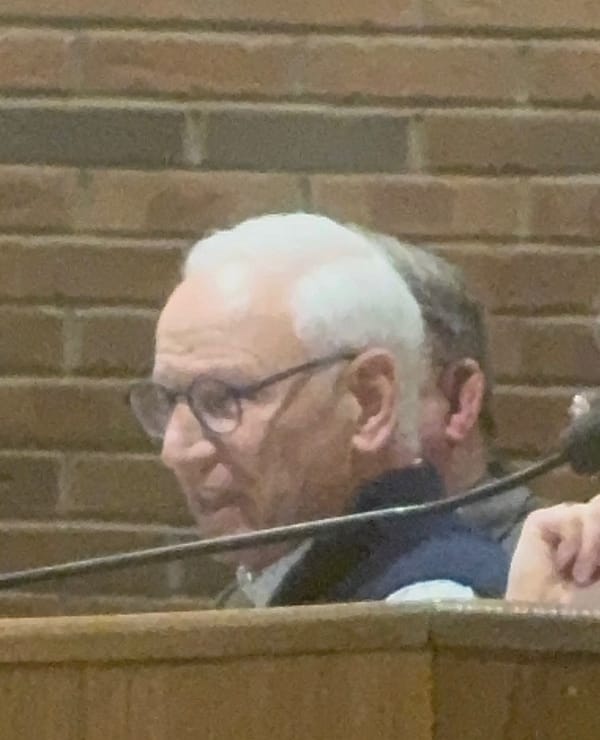
During the regular session, council member Kevin Cullen responded to public concern over the initiative by stating 'It's just data', and attempting to assuage any concerns citizens may have over the Rockefeller Foundation linked organization conducting deep dives into Findlay citizens as the city council will decide what's best for everyone.
"I'm an independent," Cullen said. "I'm not a Republican. I'm not a Democrat. I listened hard to the information that was given today. And what I'm going to say is that it's data. Unless they're just lying out their teeth, they are not pushing an agenda. We get the data. We control what we want to see, how we want to see it, and then we make decisions based on that. Immigration pipeline, Do we want to do it? Do we not want to do it? I think we'd have to vote on that. They're not going to shove that down our throat."
Still, members of the community have concerns that have not been addressed, specifically why this organization is being contracted when local entities already exist to fulfill the same niche and what actual benefit will be had from the expenditure and data collection beyond potential name recognition for elected officials in national summits.
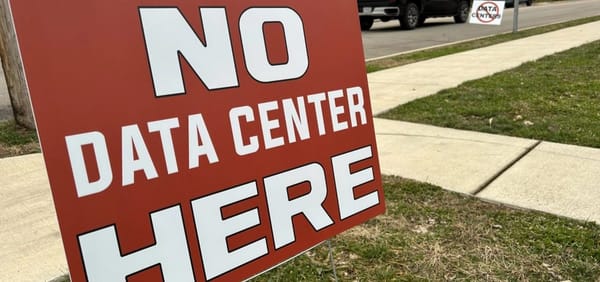
I am very certain that this comes with a cost and now I'm not so sure it's just about money,” One member of the public said. “I want to begin by saying that I deeply care about the future of our community. I want economic growth. I want opportunity for our children. I want thriving small businesses and strong families. But after carefully looking into Heartland Forward, I can simply not support it. And I believe a no vote is the most responsible choice. Heartland Forward presents itself as a nonpartisan data-driven organization focused on economic development in the American heartland. This all sounds very positive on the surface, but when we take a closer look, there are some real concerns about who is influencing this agenda, where the funding originates from, and whether the priorities truly reflect the values of our local community. Economic development should be rooted in local leadership and local accountability. And when outside organizations become deeply involved in shaping our policy directions, there is risk that these decisions begin to reflect a broader goal rather than the specific needs of our own citizens. And I believe that these are important questions that we must thoughtfully consider. If workforce initiatives connected to this project include immigration-based labor pipelines, what safeguards are in place to ensure that these local workers are prioritized and that our systems are not strained beyond capacity? And if large-scale data centers or similar infrastructure projects are to follow, which they might, how will that impact our land use, our water resources, our power grid, and our long-term environmental stewardship? Who ultimately benefits and who is going to carry the cost? At what point does partnership become an overreach? And when outside organizations influence policy, direction, grant structures, local governance decisions, how will we ensure that this authority remains with the people of this community rather than the shifting towards centralized control. These are not fear-based questions. Believe me, I put a lot of prayer into these. They are stewardship-based questions that you should all know the answer to before you vote ‘yes.’ And this is not about rejecting growth. It's about protecting local control. This is not about rejecting growth. It's about protecting local control. It's about ensuring that the development does not quietly reshape our workforce, infrastructure, or governance without full transparency and community consent. This is not about rejecting growth. It's about protecting local control. Voting no is not a vote against opportunity. It's a vote for discernment. It's a vote for transparency. It's a vote for protecting local authority and ensuring that any economic partnerships align clearly with the values and the long-term interests of families who live here just like me and you. Our community is capable. Our leadership is capable. You are capable. And I'm so excited that each of you have been elected by your constituents. We do not need to hand over this direction to outside organizations in order to be a successful community. Tonight is an opportunity for each council member to demonstrate independence, wisdom, and commitment to their constituents to show that the city council stands as its own governing body and that one that carefully evaluates the long-term effects and commitments before obligating taxpayer dollars. I urge you to vote in a way that reflects your careful stewardship, transparency, and that represents your constituents well. I urge you to vote no."
Council voted to postpone the vote until the next regular session to provide an opportunity for the public to review the Heartland Forward presentation that does not have audio, and ask any remaining questions or provide any comments they may still have.