Leaked Memo Warns AI Data Centers Are ‘Anchor’ in Ohio Senate Race
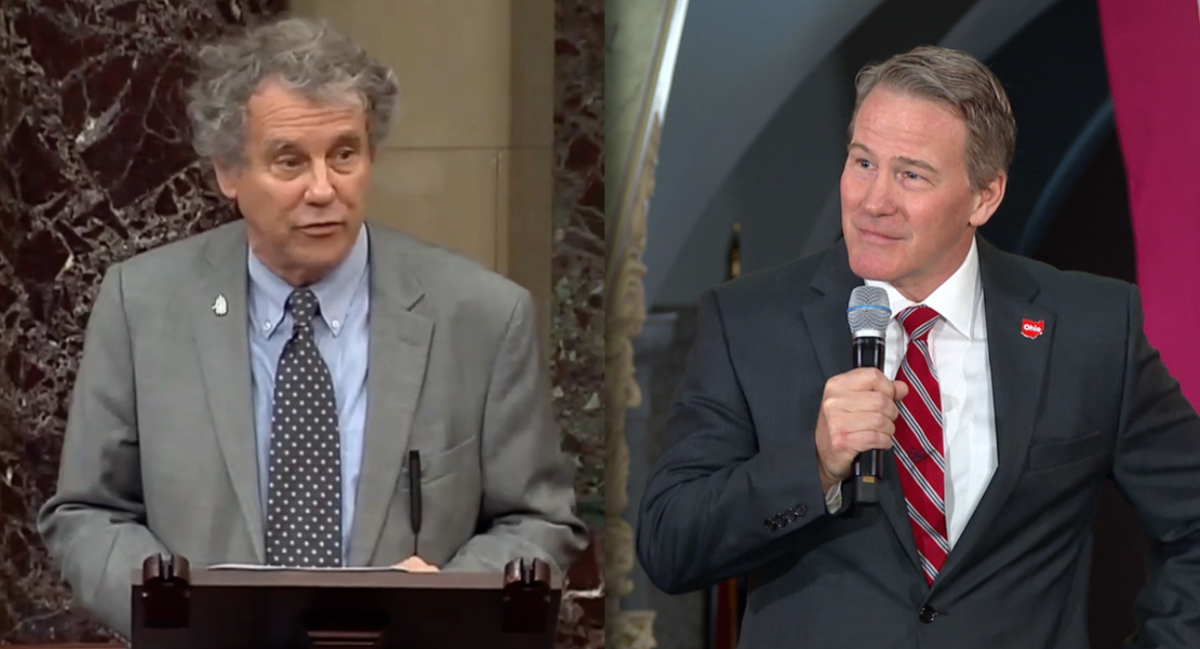
STATEWIDE - A leaked internal memorandum from the National Republican Senatorial Committee (NRSC) reveals growing anxiety within the GOP over the political fallout from artificial intelligence data centers, warning that public backlash against the technology is threatening a pivotal U.S. Senate race in Ohio and could reshape the party's national platform.
The August 18, 2026 document, titled "Ohio Data Center Risk," sounds an explicit alarm over the neck-and-neck race between Republican Sen. Jon Husted and his Democratic challenger, Sherrod Brown.
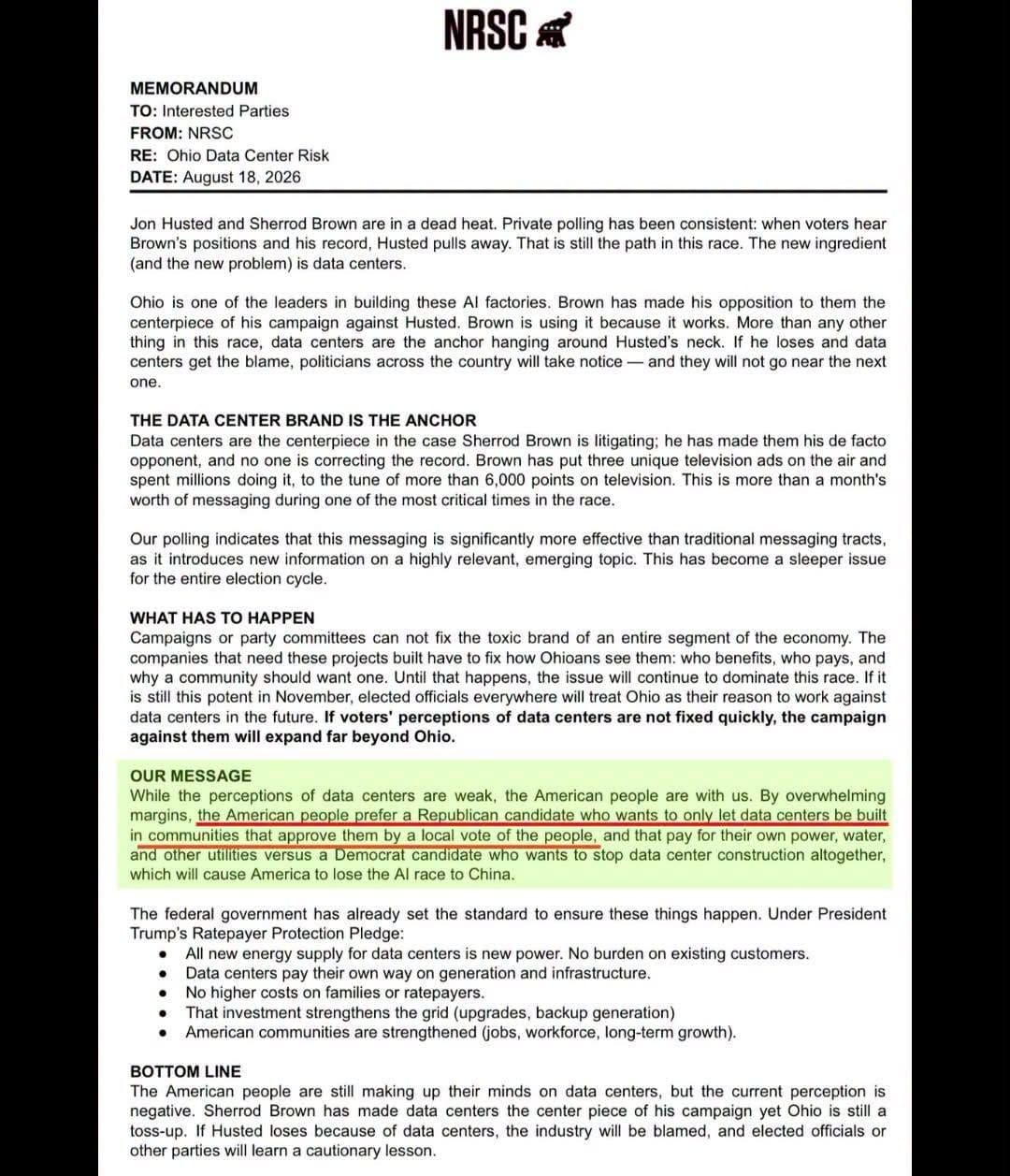
According to the memo, private polling shows that Brown's aggressive campaign targeting the rapid expansion of AI "factories" has become a highly potent "sleeper issue" that is actively eroding Husted’s support.
"Data centers are the anchor hanging around Husted's neck," the NRSC memorandum states, adding that if voters' negative perceptions are not quickly repaired, "the campaign against them will expand far beyond Ohio."
The document exposes a striking vulnerability for Republicans, who have seemingly begun siding with data center development across the state despite historical concerns over state surveillance of citizens.
Instead, the NRSC warns that data centers have taken on a "toxic brand" due to voter concerns over skyrocketing utility bills, energy grid stability, and local water usage. The memo notes that the opposition messaging is "significantly more effective than traditional messaging tracts," introducing novel economic anxieties to the electorate.
The committee explicitly calls on tech and AI companies to fix how Ohioans view their projects, emphasizing that political committees cannot wage the public relations battle alone.
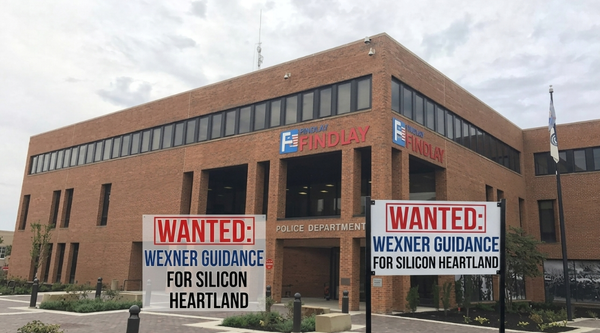
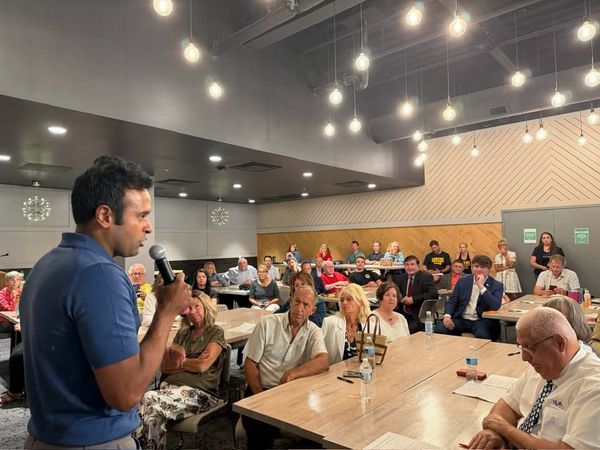
The leak signals a major strategic pivot for national Republicans, who are scrambling to adjust their pro-business messaging to soothe voter anger over consumer costs. The shift seems to coincide with issued statements from Ohio gubernatorial candidate Vivek Ramaswamy, who has attempted to soften his 'silicon heartland' banner waving in exchange for a moderate, 'restrained' message on data center proliferation in the state.
To counter Democratic attacks, the memo outlines a new messaging framework designed to distance the party from unfettered tech expansion while aligning with "President Trump’s Ratepayer Protection Pledge." Under this strategy, the GOP demands that data centers pay their own way for power generation and physical infrastructure rather than relying on public subsidies. Furthermore, the committee insists that new energy supplies must be built explicitly for these facilities to ensure there is no financial burden placed on existing utility customers. Finally, the framework dictates that local communities must retain final approval through a vote of the people before any new data center projects can be constructed.
By framing their message around consumer protection and local autonomy, the party is hoping to position themselves as defenders of affordable utilities while accusing Democrats of trying to halt technological progress altogether.
The ramifications of the Ohio race extend far beyond state lines. The NRSC warns that an electoral loss tied to data center backlash will serve as a definitive cautionary tale for politicians across the United States.
"If he loses and data centers get the blame, politicians across the country will take notice — and they will not go near the next one," the memo warns.
As energy demands from the AI boom continue to strain electrical grids nationwide, the document highlights a burgeoning nationwide challenge for the GOP: balancing its current pro-industry commitments with an increasingly populistic, cost-conscious base highly skeptical of the benefits of data center development against the known domestic surveillance purpose.