New Columbus MOU Continues Trend of Labor Replacement In Industry With Continued Quality Decline
BY JEFF SKINNER
STATEWIDE - The recent revelation of a targeted international agreement to import West African healthcare labor into Central Ohio has opened up new inquiries into issues of patient safety, corporate hospital logistics, and the domestic medical workforce. The discourse reveals a deepening national crisis over the quality and accountability of America’s healthcare infrastructure after the disastrous covid era.
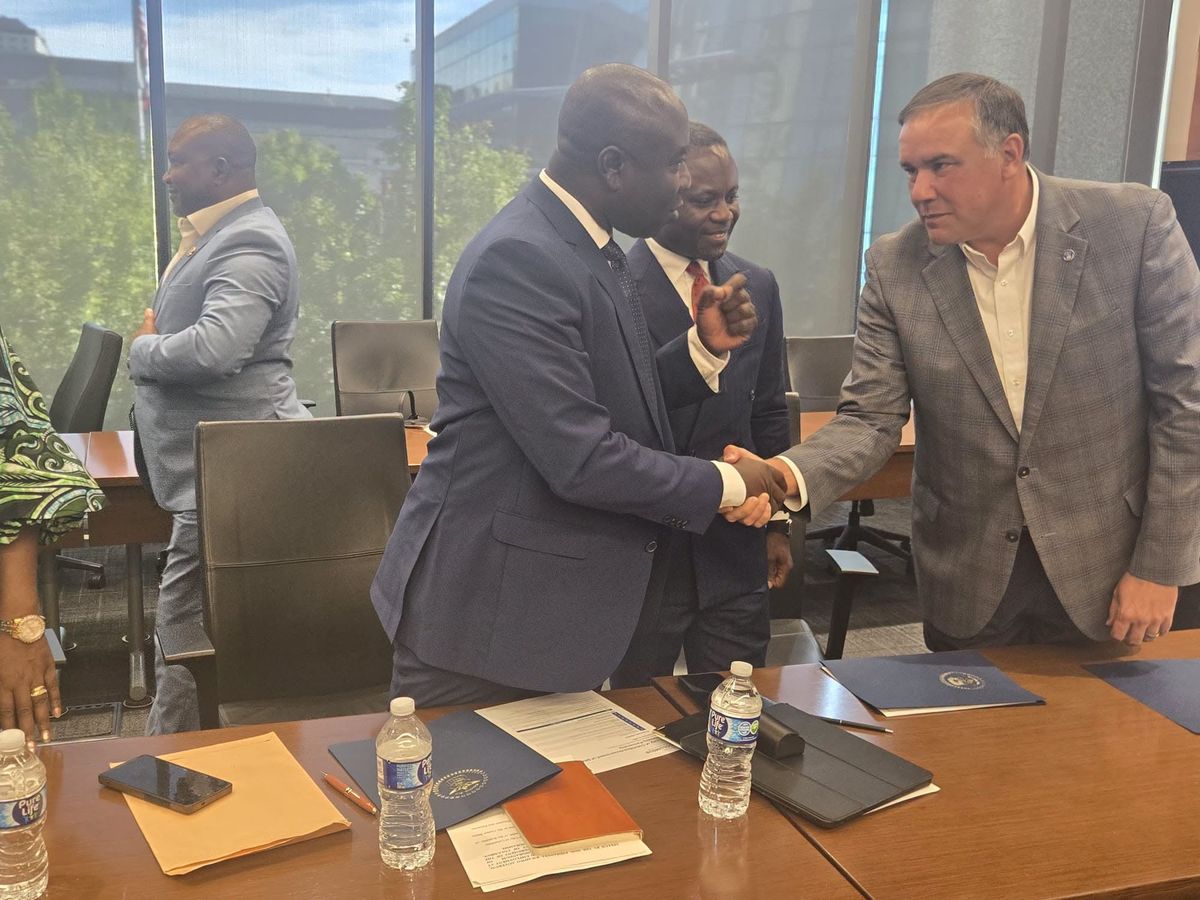
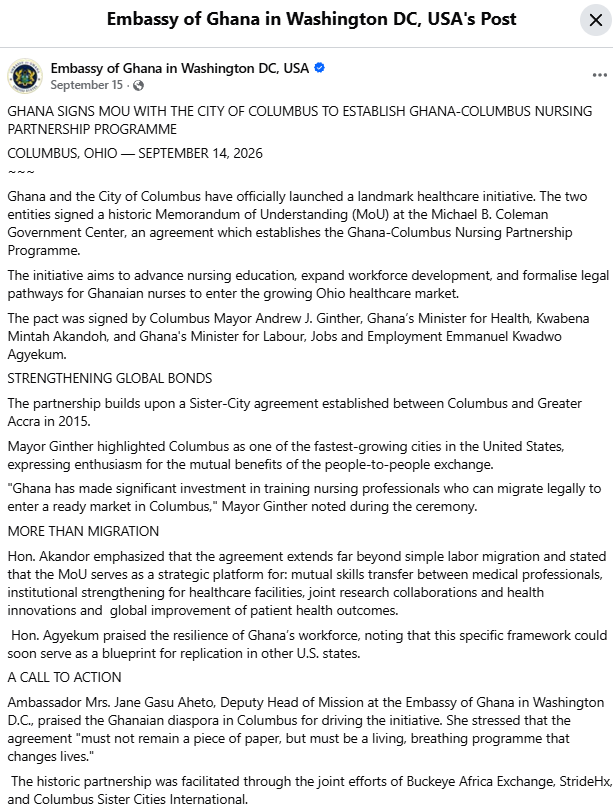
The Ghana-Columbus Nursing Partnership Programme, signed as a Memorandum of Understanding by Columbus Mayor Andrew J. Ginther, aims to establish a formal framework for importing foreign nurses to address, what the political class views as "local healthcare staffing shortages". However, the plan has come under immediate scrutiny from critics who argue it introduces significant systemic risk into an already fragile medical infrastructure against a heritage population already struggling to find employment in the field.
Opponents express deep concern that importing large volumes of foreign laborers from a developing nation’s healthcare system, where professional licensing and certification standards differ drastically from U.S. requirements, would no doubt compromise the quality of local medical care. Critics argue the Columbus deal mirrors broader, institutional trends seen in other major Ohio systems, where pipelining foreign labor as workarounds are increasingly favored over stabilizing or investing in the domestic workforce.
Those within the Make America Healthy Again movement are already aware that a landmark Johns Hopkins Medicine study published in The BMJ previously estimated that systemic medical errors act as the third leading cause of death in the United States, accounting for more than 250,000 fatalities annually. The study's authors emphasized that these deaths stem primarily from institutional coordination gaps and fragmented communication, a known issue that will only exacerbate by importing foreign laborers with minimal understanding of the basic language. Healthcare watchdogs warn that inserting thousands of internationally recruited workers into these pre-existing structural fractures could cause medical error rates to spike, driving the national mortality ranking even higher.
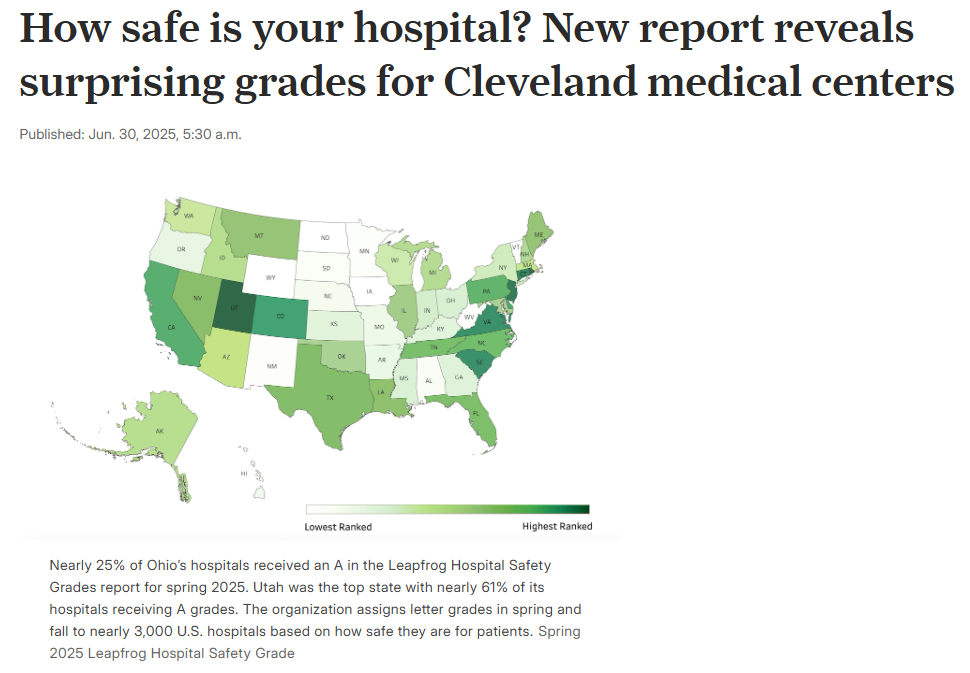
Signs of operational strain are already appearing across Ohio’s 'premier' medical networks, drawing direct parallels to the concerns raised in Columbus. In recent evaluations from The Leapfrog Group, the Cleveland Clinic’s flagship Main Campus saw its hospital safety grade slip to a "C." The drop reflects growing vulnerabilities in internal quality tracking, staffing ratios, and clinical communication under immense volume pressures.
Watchdogs argue that the Columbus framework represents the exact same systemic trajectory: attempting to mask a fundamental decline in service and localized quality of care by shifting operational strategies toward massive structural changes rather than rectifying core safety and clinical protocols. Just as Columbus utilizes its sister-city network to undercut domestic labor, the Cleveland Clinic has historically utilized municipal agreements of its own specialized 'global' frameworks to manage its labor replacement programs, relying on cross-border labor imports to navigate domestic staffing 'needs'.
Simultaneously, the administrative logistics managing these networks have faced fierce criticism. Industry analysts point to localized breakdowns within administrative scheduling departments, which critics argue have been heavily impacted by remote-work policies and corporate diversity, equity, and inclusion (DEI) hiring mandates. Frontline medical workers report that remote scheduling staff frequently overbook critical, high-risk procedures—such as labor and birthing inductions—without proper clinical coordination, while customers report scheduling staff doing everything from wrangling children to utilizing microwaves in the background of scheduling calls. This logistical gridlock leaves short-staffed labor and delivery units overwhelmed, directly threatening the safety of mothers and newborns during high-stakes medical interventions.
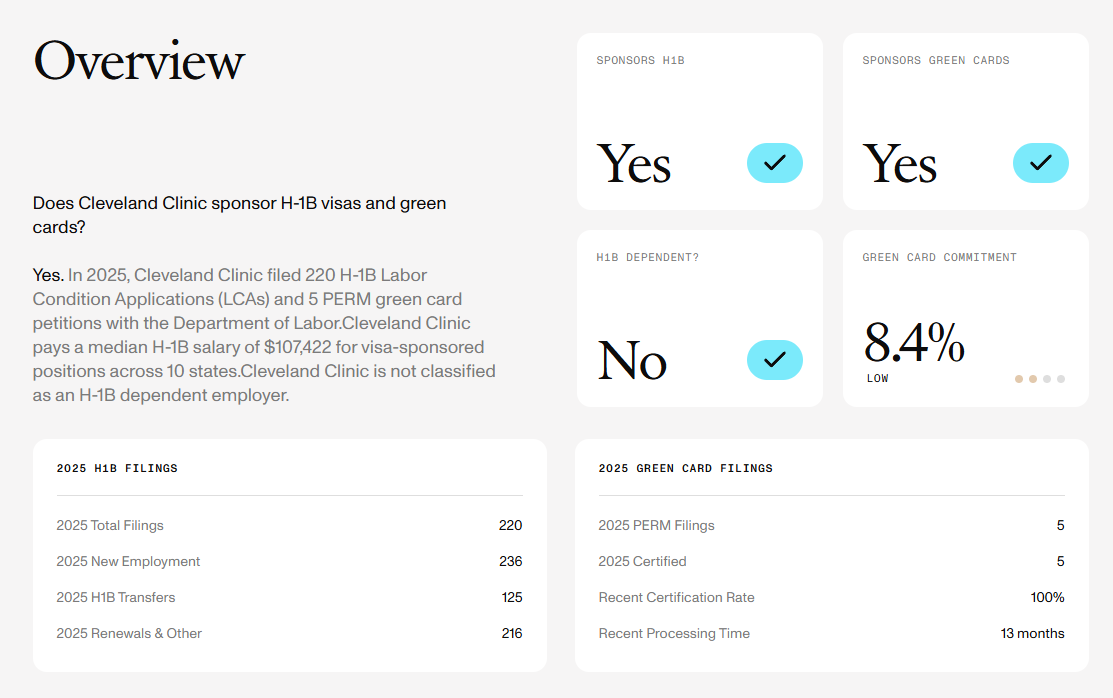
This intersection of operational declines and outsourcing has occurred against a backdrop of sweeping shifting policies at the federal level. The newly installed federal administration entered office with an explicit mandate to execute a comprehensive mass deportation agenda while shutting down these exact pipelines that undercut domestic labor and put customers at substantial risk. Despite this, the current DHS, with an $80 billion budget for ICE, has yielded little meaningful action on domestic industries benefiting from mass immigration and has seemingly been hands-off in cities with the most enforcement need.
The policy shift directly collides with the immense financial shielding enjoyed by major hospital networks. Tax-exempt nonprofit hospital groups like the Cleveland Clinic pull in hundreds of millions of dollars annually through an intricate network of federal drug subsidies under the 340B Drug Pricing Program, state real estate tax abatements, and substantial government research grants. Critics point out that despite absorbing these massive pools of taxpayer-backed capital, corporate medical networks operate with a profound deficit in public accountability metrics, leading many citizens to ask, if not accountability through immigration enforcement, then what?
Medical Freedom advocates for healthcare reform emphasize that the lessons of the COVID-19 pandemic vividly demonstrated the urgent danger of this accountability gap. During the pandemic era, multi-billion dollar hospital systems received unprecedented federal relief funds while simultaneously reducing internal staff, altering emergency protocols, and restricting public transparency, utilizing medical interventions and experimental injections that directly led to the death of untold numbers of patients.
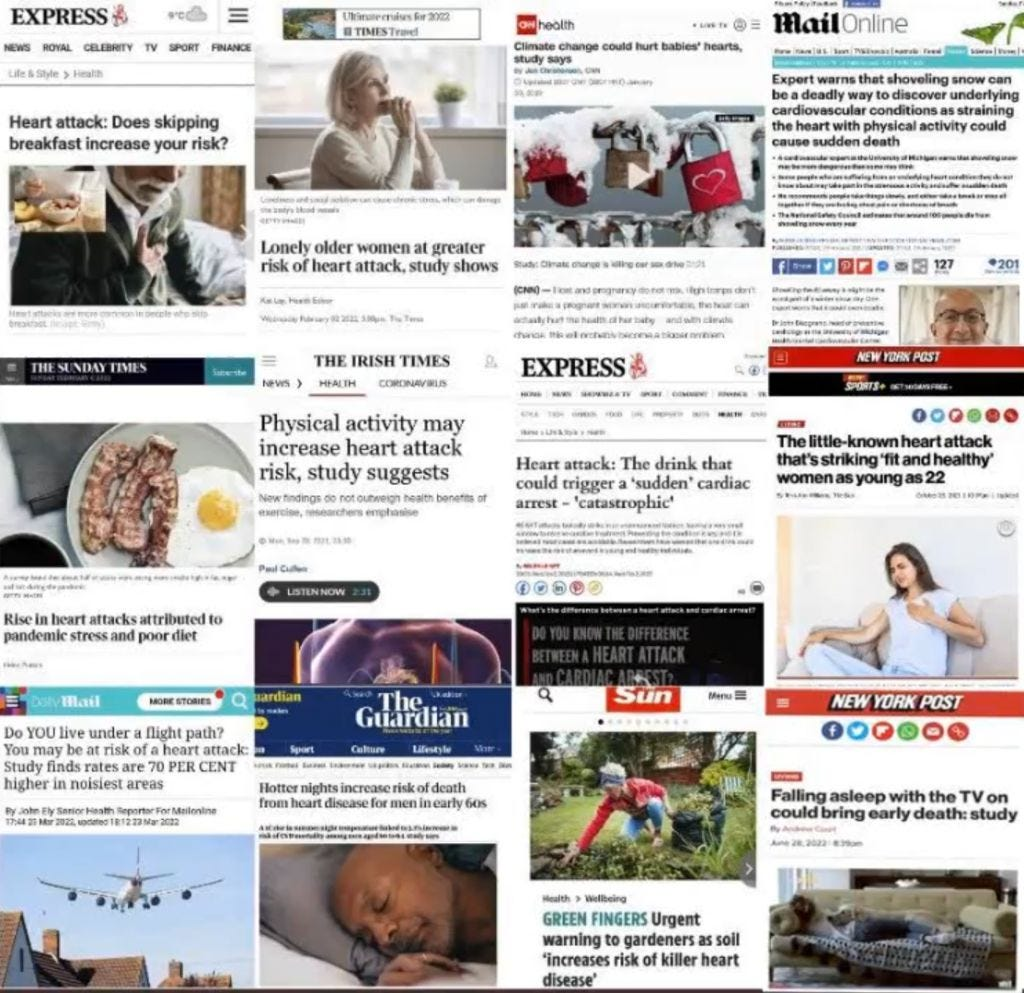
Opponents of the Columbus-Ghana deal argue that rather than instituting rigorous oversight and standardizing internal protocols to ensure patient safety, major medical networks are instead utilizing administrative loopholes to source low-cost international labor, avoiding the structural reforms needed to fix their operational core.
Further, the push to import international labor occurs at a time when domestic medical and nursing graduates face an uneven job market. While aggregate national shortages are widely publicized by industry lobbyists, data from the American Association of Colleges of Nursing reveals that 16% of Bachelor of Science in Nursing (BSN) graduates remain without a job offer at the time of graduation, with regional pockets of underemployment persisting as major urban teaching hospitals slow down their entry-level hiring. Data from the National Resident Matching Program shows that over 6% of domestic medical school graduates are left temporarily unemployed due to a severe bottleneck in available residency training slots, forcing heritage citizen graduates to struggle for employment while foreign labor is aggressively pursued. If the industry was so hard-pressed to find domestic labor, those numbers shouldn't exist at all.
As Columbus officials move forward with the Ghanaian framework, citizens are actively in rebellion vocally. Social media outcries have gone beyond asking for transparency of foreign clinical certification to a demand to the end of these foreign pipelines to undercut heritage workforces that put entire industries and now medical patients, at real risk of injury or death.