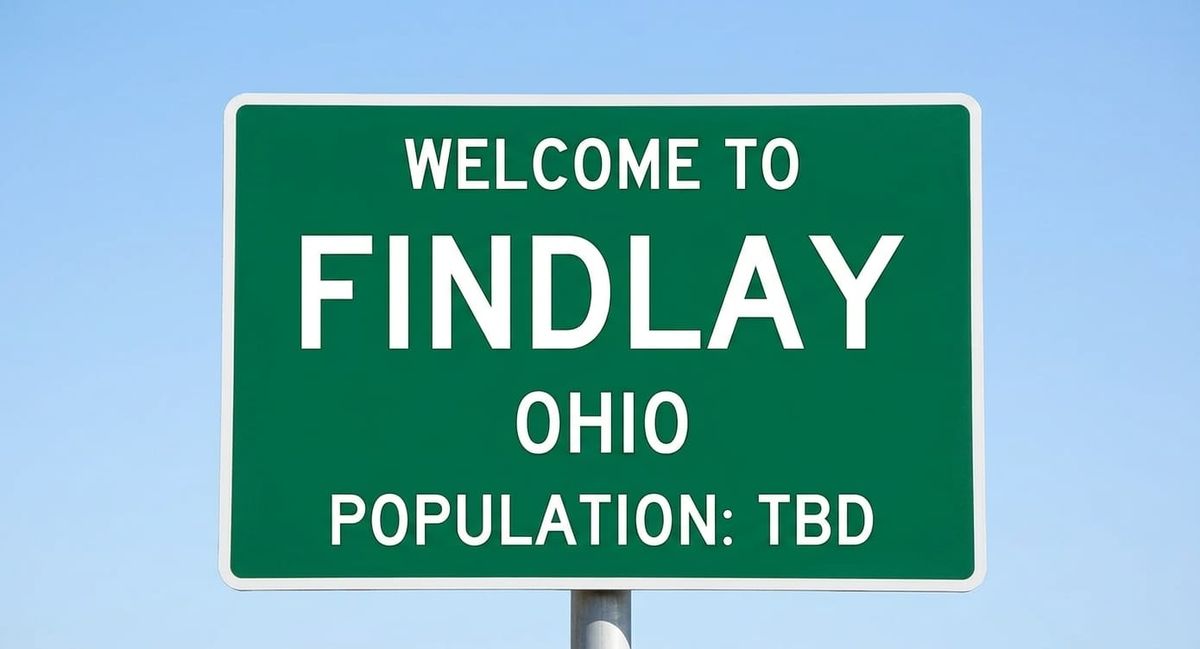
Findlay City Council Pauses 'Welcoming City' Initiative Amid Deficits and Regional Defense Workforce Debate
BY CAREY MORGAN
FINDLAY - The Findlay City Council is weighing whether to move forward with a controversial municipal framework aimed at facilitating mass migration, voting during its latest session to extend discussions on the "Welcoming City" initiative. The decision comes amid an intensifying statewide debate connecting local demographic replacement initiatives to municipal budgets, emergency infrastructure strains, and a rapidly expanding federal defense-aerospace footprint across Ohio.
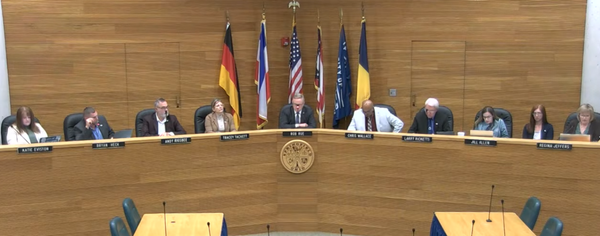
During the council's October session, the Strategic Planning Committee presented a report detailing a September meeting convened to evaluate housing needs, zoning adjustments, and the parameters of designation as a 'welcoming city'. The committee, which includes at-large council member Heather Kensinger, ultimately opted against issuing a definitive recommendation, suggesting instead that the council continue its conversations.
The cautious approach by local officials reflects a growing public scrutiny over the long-term impacts of what the administration calls 'managed growth' and comes amid the controversy surrounding the 'Heartland Forward' project, which sought to create a city wide database aimed at forming strategies for immigration integration, something the administration vehemently denied was its intended purpose.
During the same council meeting, chaired by Council President David Murphy, officials acknowledged a monthly income tax collection deficit of $4,770,034 for September, prompting a debate over city spending and resource allocation. Seventh Ward Councilman Danny Delong voiced sharp concerns regarding the financial predictability of municipal expansions, voting against a separate 352-acre annexation package due to uncalculated operational liabilities. Delong warned that expanding city commitments introduces permanent, ongoing expenses for code enforcement, snow removal, and emergency services, including police and fire protection, without guaranteed revenue offsets.
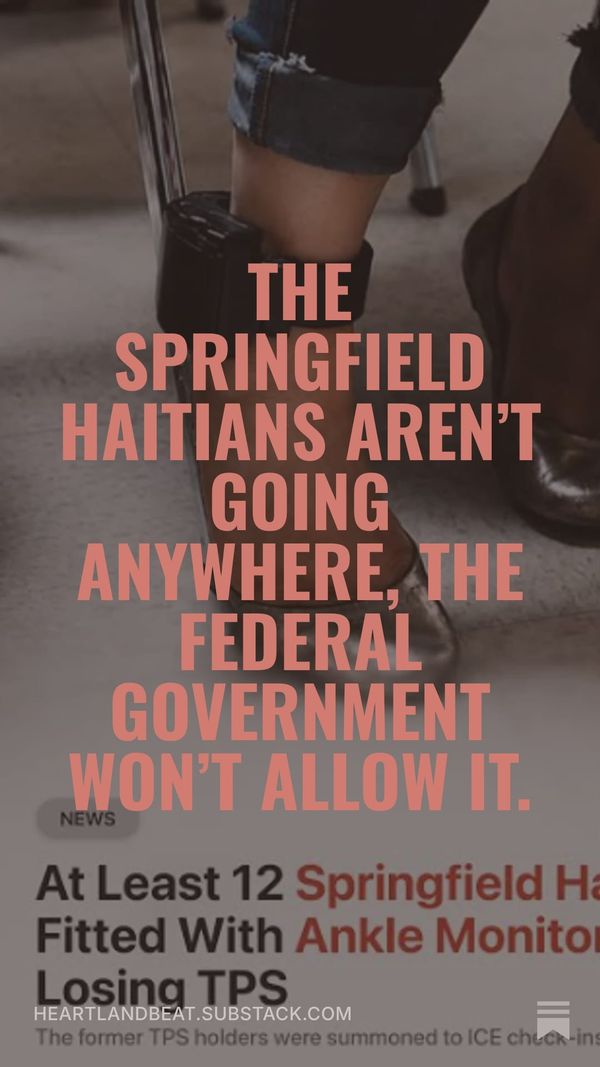
Ongoing coverage from TOR on neighboring Welcoming City programs, such as in Springfield Ohio, further outline how rapid, unmanaged population shifts have overwhelmed local code enforcement and law enforcement agencies, citing specific public safety challenges such as the emergence of unregulated, illegal nightclubs and subsequent strain on neighborhood zoning resources. Local municipal town halls in Springfield have seen routine outpourings of resident frustration concerning overvalued property appraisals, taxpayer-funded housing acquisitions, and overstretched public services—challenges that critics argue are directly incentivized by welcoming city policy guidelines.
Beyond immediate municipal infrastructure concerns, the ongoing debate has exposed a sophisticated economic intersection connecting local immigrant labor pipelines directly to federal defense spending. The Heartland Beat’s investigation into the Welcome Initiative has traced this dynamic back to federal blueprints followed by the Dayton Development Coalition and the Dayton Regional Israel Trade Alliance, which sought to secure massive federal aerospace manufacturing pipelines by aligning regional demographic shifts with federal equity and workforce labor resilience policy benchmarks.
This systemic alignment between local workforce pipelines and defense infrastructure ties directly back into recent legislative actions taken by Findlay’s own state representatives. Ohio State Representative Ty Mathews recently celebrated the formal signing of House Bill 292 into law by Governor Mike DeWine. Co-sponsored by Mathews alongside State Representative Nick Santucci, the legislation officially establishes the Ohio Defense and Space Commission, a state-level body designed to position Ohio as a national leader in advanced manufacturing, space exploration, and defense technologies.
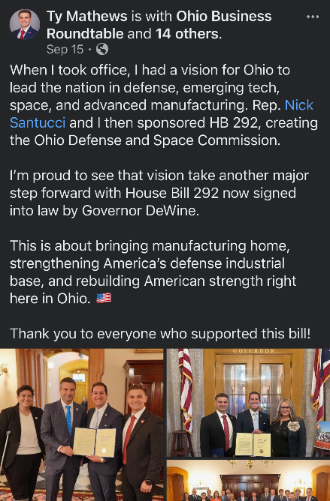
Mathews framed the passage of House Bill 292 as a critical milestone for the region, stating that the commission is designed to bring manufacturing back to the United States, fortify the domestic defense industrial base, and rebuild American industrial strength directly within Ohio communities.
However, independent analyses suggest that the success of such state-level defense commissions relies heavily on the willingness of local municipalities to cultivate the highly flexible, state-certified labor pools demanded by corporate aerospace entities as mandated by the 2015 White House Decree 'STRENGTHENING COMMUNITIES BY WELCOMING ALL RESIDENTS', which was successfully lobbied into Federal practice and mandates since that time . Federal funding streams, such as the Workforce Innovation and Opportunity Act, are increasingly utilized through regional training hubs to retrain migrant workforces on citizen tax dollars for specialized programs that include avionics and advanced air mobility maintenance roles, rather than providing them to heritage citizens. The combination of timing between House Bill 292, Findlay's discussion on 'Welcome Initiative' adaptation, and the courting of military aerospace manufactures fits exactly along the trajectory of cities like Springfield, which have now fallen under the weight of mass immigration and a collapse of the local income tax budget.
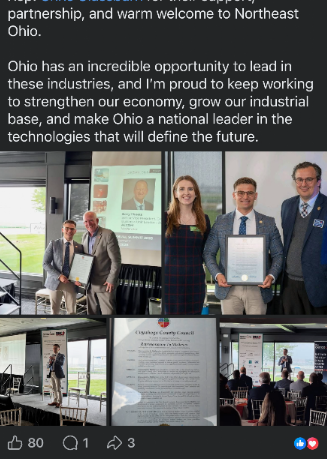
As Mayor Christina Muryn and the Findlay City Council defer their final decision on the 'Welcoming City initiative', local lawmakers remain caught between competing economic visions. While state leaders like Mathews continue to court lucrative defense and aerospace contractors to secure Ohio's economic future, local council members face growing pressure from human resources and administrative experts like HR Director Amy Hayslett and Service-Safety Director Rob Martin to balance massive structural changes against protecting municipal budgets, preserving emergency service capacities, and avoiding the infrastructure complications currently challenging other municipalities across the state.