
Selective Service Prepares to Wargame New Draft Model With AI Models
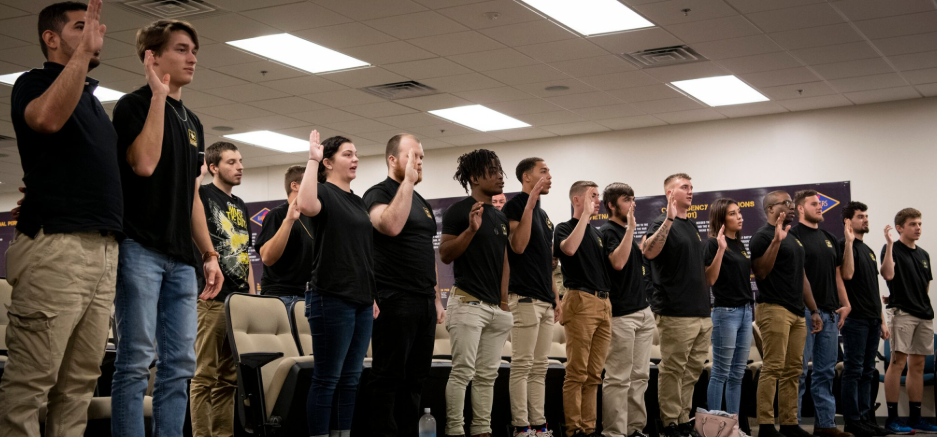
BY JEFF SKINNER
STATEWIDE - The U.S. Selective Service System is prepping a major upgrade to its mobilization infrastructure, issuing a federal solicitation for an automated, cloud-based "Conscription Readiness Simulation" system. The new platform is designed to war-game massive, end-to-end national draft scenarios. According to government procurement files issued under solicitation number 90MC0026Q0005, defense planners are abandoning manual procedures and legacy modeling approaches in favor of a modern software suite that can simulate rapid military conscription on a national scale.
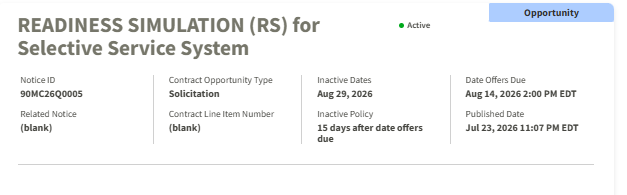
The digital overhaul arrives on the heels of major legislative updates passed last year that expanded the scope of a potential draft. The federal legislation automated selective service registration for men aged 18 to 26 and pushed the maximum general enlistment age limit up to 42. These statutory changes significantly expand the administrative and logistical burden of a national draft pool. The newly proposed simulation software will serve as the primary engine for analyzing how federal systems would handle an influx of millions of citizens during a sudden wartime call-up.
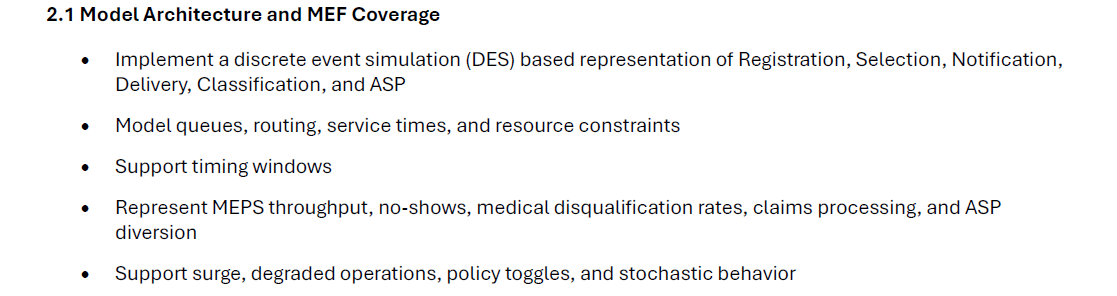
Contract documents managed by the agency's national headquarters in Arlington, Virginia, state that the software must serve as a comprehensive tool for leadership and planners. The program is required to cover six distinct Mission Essential Functions: registration, lottery selection, inductee notification, delivery, classification claims, and the Alternative Service Program. Program planners explicitly noted in the Performance Work Statement that the government's current draft infrastructure relies on "outdated assumptions" and "historical datasets" that do not reflect modern demographics or communication channels.
A core requirement of the procurement is the creation of a "Scenario Library". This library will allow operators to simulate baseline operations, national emergency surges, policy toggles, and degraded communications environments. Crucially, the system must account for real-world logistical friction and bottlenecks. The software will be required to model throughput limits at Military Entrance Processing Stations, inductee "no-show" rates, medical disqualification percentages, and legal exemption claims processing.
To assess how a sudden conscription event would stress physical infrastructure, the platform will utilize Monte Carlo uncertainty models and advanced sensitivity analytics. These tools will calculate and map out localized workload demands, helping the agency estimate the exact staffing needs for individual regional offices and military directorates across the country. It will also feature an "after-action reconstruction" tool to allow planners to replay historical or exercise-driven inputs for tactical review.
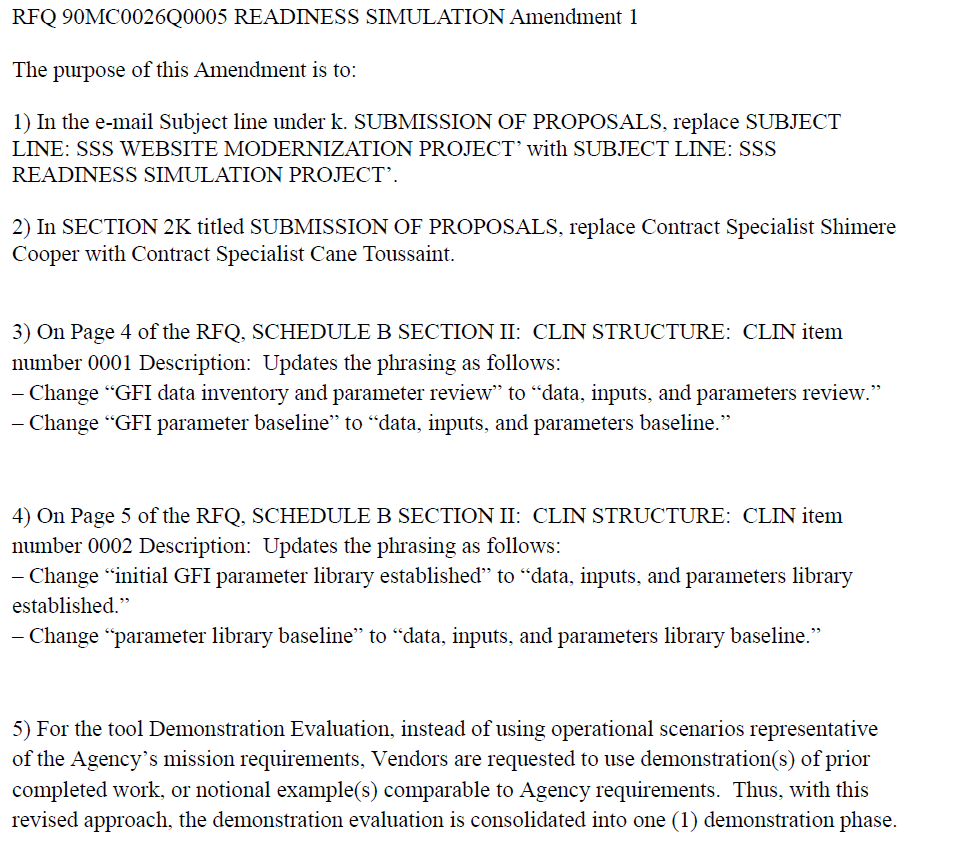
In a move that some considered intentional obfuscation of the operations goals, the government issued an immediate administrative correction in Amendment 1 of the solicitation to rebrand the entire initiative. Contractors were strictly ordered to purge the phrase "SSS WEBSITE MODERNIZATION PROJECT" from their proposal email subject lines, replacing it with the far more definitive "SSS READINESS SIMULATION PROJECT". The direct naming correction reveals that defense planners originally masked the highly specific conscription war-gaming platform under the mundane guise of a routine public website refresh.
Beyond basic data logging, the system is explicitly designed to predict and simulate civilian resistance, evasion, and processing friction during a sudden national call-up. Under contract line item 0003, the software must incorporate specialized "Classification and ASP yield-diversion logic" to analyze draftees who attempt to legally avoid combat roles. "Classification" represents the local draft board appeal process for conscientious objectors or hardship exemptions, while the "Alternative Service Program" (ASP) manages civilian service diversions. The engine will mathematically model this "yield-diversion," mapping exactly how many draftees will slip through the dragnet, alongside projected civilian "no-show" rates and physical disqualification percentages at military screening stations.
Perhaps more concerning, the simulation parameters also indicate that the Pentagon is planning for a draft executed under a state of domestic collapse or external warfare. The contract requires a dedicated "degraded-operations" scenario toggle within the software library. This specific mandate requires the system to war-game how the government would successfully execute a draft and deliver millions of men to the Department of Defense even if federal power grids fail, communication channels are compromised, or core internet connectivity is actively disrupted.
Rather than relying on broad quarterly estimates, the software must operate at a granular "daily timestep granularity". The system will run day-by-day microsimulations mapping the resulting administrative workloads down to individual, neighborhood-level localized Selective Service offices. This will allow planners to predict the exact localized daily staffing demands and troop logistics required to keep the pipeline moving during a sudden mobilization surge and combat any localized opposition in neighborhoods.
Contracting Officer Georgette Hendricksen and Contract Specialist Cane Toussaint are managing the competitive bidding process, with proposals from qualified small-business technology vendors due by August 14, 2026. Top-tier bidders will be subjected to live, government-conducted demonstrations to prove their software can successfully execute complex operational scenarios before a final contract is awarded.
Officials emphasize that the current project focuses strictly on technical readiness and modernization. However, the combination of automatic enrollment, a vastly expanded age pool, and high-tech war-gaming software indicates an intensified federal focus on nationwide mobilization infrastructure. The initial development, testing, and deployment phases for the core simulation engine are expected to take six to 12 months following the final contract award.
From a logical standpoint, a government does not expand its legal draft pool to middle-aged citizens, automate its tracking data, and spend millions to simulate localized civil unrest unless its internal metrics show a high probability that the volunteer model will break in a planned, large-scale conflict on the horizon. While the official Pentagon stance remains that these are passive continuity-of-government exercises, the structural reality shows that the legal, digital, and logistical machinery required to execute a rapid national draft has just been fully assembled and is preparing to be stress tested.