Supreme Court Upholds Termination of Haitian TPS, Clearing Path for Deportations
BY JEFF SKINNER
SPRINGFIELD - The U.S. Supreme Court on Thursday ruled that the Trump administrations' efforts to end Temporary Protected Status for Haitians and Syrians can proceed, rejecting lower court injunctions and limiting judicial challenges to the program’s termination.
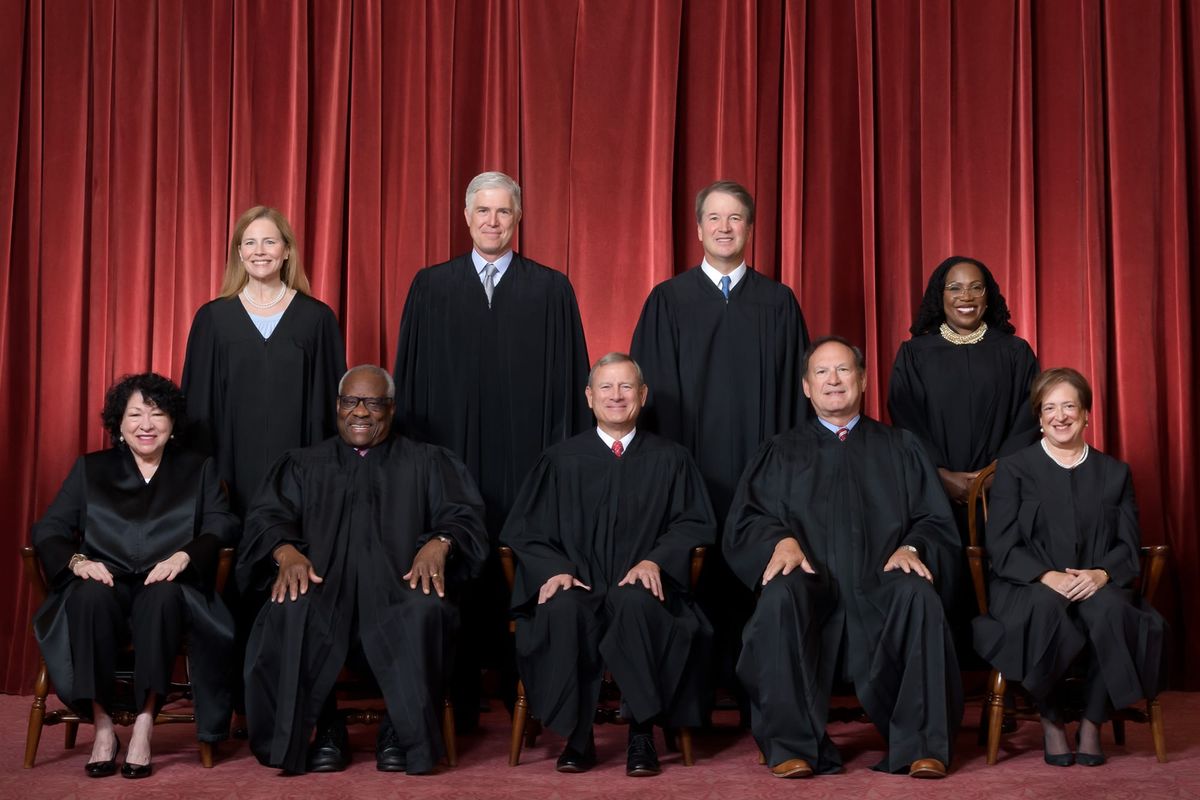
In a 6-3 decision written by Justice Samuel Alito, the court held that the Immigration and Nationality Act’s judicial review bar in 8 U.S.C. §1254a(b)(5)(A) precludes most Administrative Procedure Act claims challenging the Secretary of Homeland Security’s determinations on TPS designation, extension or termination. The majority found the statute’s language broad, covering both procedural and substantive decisions as well as the overall process leading to termination.
The ruling consolidates challenges from Syrian and Haitian TPS beneficiaries. For Haiti, designated in 2010 after a devastating earthquake and repeatedly extended, the Secretary determined in November 2025 that conditions had improved sufficiently in parts of the country and that continued designation was contrary to U.S. national interests. Similar reasoning applied to Syria following the fall of the Assad regime.
The court also rejected an equal protection claim by Haitian plaintiffs alleging racial motivation, finding statements by President Donald Trump and former Secretary Kristi Noem expressed race-neutral policy views on immigration enforcement and opposition to prolonged TPS designations. The administration terminated every TPS designation up for renewal, affecting a racially diverse set of countries.
The decision has immediate implications for communities like Springfield, Ohio, which saw a significant influx of Haitian migrants under TPS and related programs. City leaders had promoted the arrivals as an economic boost, but local officials and residents now face the prospect of deportations amid ongoing strains.
Springfield Mayor Rob Rue has reiterated a desire for “safety” regarding ICE operations, including a city resolution requesting agents not wear masks. However, Public allegations surfaced in February that Springfield Police Department officers visited hotels and motels, instructing staff not to cooperate with ICE by sharing guest information. One anonymous hotel worker described a female SPD officer in a cruiser making the rounds, which critics argue could violate federal laws like 8 U.S.C. §1373 prohibiting restrictions on immigration status information sharing.
Rue emphasized community safety and referenced masked protesters at his home but maintained the policy was not aimed at shielding any specific group. No formal investigations into the SPD allegations have been publicly confirmed, though they have been reported to ICE and local authorities as well as district representative Kyle Koehler. Representative Koehler reportedly suggested that motel worker share her concerns with the Springfield News-Sun and has not conducted any investigation into the matter.
Residents are hoping for increased ICE enforcement activity now that legal barriers to termination have been lifted. TPS holders generally lose work authorization and protection from removal upon termination, subject to case-by-case relief or other immigration avenues. TPS holders had previously lost the ability to drive legally due to the pending court case, though reports from officers with the Stare Highway patrol were skeptical that SPD would be increasing traffic stops or arrests for unlicensed drivers. With the ruling issued June 25, 2026, terminations previously stayed could move forward after the required notice periods.
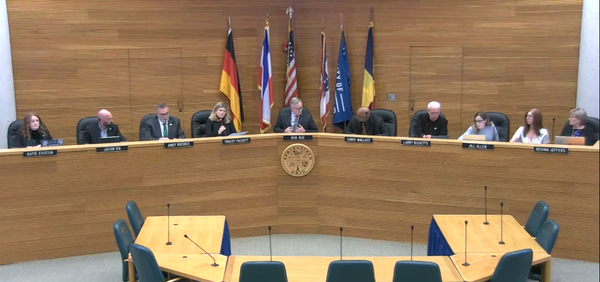
Local critics argue deportations could ease pressures on Springfield’s strained finances and emergency services. Despite promises of economic revitalization, city income tax revenue — the general fund’s backbone — has flatlined. Projections for 2027 show stagnant or declining collections after post-pandemic gains slowed sharply. Officials project a roughly $4 million general fund gap under current assumptions.
Finance Director Katie Eviston highlighted rising demands on public safety, infrastructure and code enforcement. Firefighters’ union leaders report chronic staffing shortages, mandatory overtime and brownouts, exacerbated by population growth. Data center subsidies and tax abatements, once touted as future drivers, have delivered few jobs while forgoing tens of millions in revenue and increasing utility and emergency demands.
Removing a large TPS population could reduce burdens on housing, healthcare, education and emergency services, potentially freeing resources and improving fiscal stability, according to opponents of the influx. City leaders had defended programs like Welcome Springfield as filling labor needs, but revenue shortfalls and service strains have fueled skepticism.
The ruling aligns with the current administration’s broader immigration enforcement priorities under Executive Order 14159. Lower courts had repeatedly blocked terminations, but the Supreme Court emphasized congressional limits on judicial intervention in foreign policy and immigration determinations tied to TPS.
Dissenting justices, led by Justice Elena Kagan, argued for broader review of procedural claims. Concurring, Justice Clarence Thomas questioned whether aliens possess equal protection rights against the federal government in this context.
In Springfield, the decision intensifies debates over local cooperation with federal authorities. Allegations of a “two-tiered justice system” and non-cooperation persist alongside concerns over public safety and resource allocation. City commissioners approved tax budgets amid these tensions, with calls for prioritizing core services over expansive initiatives.
Haitian TPS beneficiaries and advocates may pursue remaining individual relief options or legislative fixes, but mass deportations appear more feasible. Springfield officials must now navigate enforcement realities while addressing longstanding fiscal and service challenges tied to the demographic shifts of recent years.