Perry BOE Confirms No New Update On Data Center

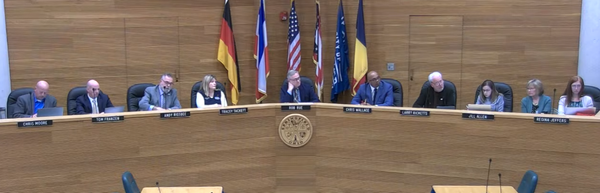
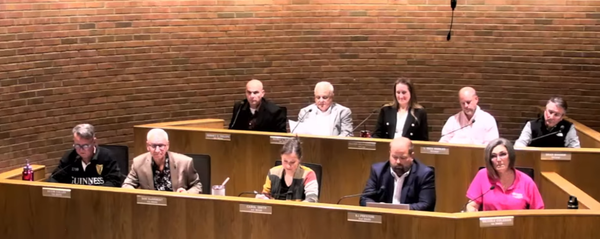
PERRY - The Perry Board of Education confirmed on Monday, June 29, it has received no new updates or formal proposals regarding a controversial data center project that was approved without any due diligence on record with the village. The short update was delivered during the board's regular meeting, with a speaker summarizing that "the update is there is no update" regarding a potential pilot program.
The project, which involves California-based developer Province Group, remains a focal point of discussion in Lake County. Opponents of the development continue to voice concerns regarding its size, environmental impact, resource utilization, and transparency.
The proposed development encompasses approximately 230 acres, a footprint that translates to roughly one-sixth of Perry Village. The planned site is situated adjacent to the public library and roughly one mile from local schools.
The brief acknowledgement by local school officials highlights the ongoing cloud of uncertainty surrounding the billion-dollar tech campus proposed. Despite the project remaining in an administrative holding pattern at the school board level, local opposition has intensified over the facility’s substantial physical footprint and its long-term impact on regional resources.
A primary point of contention among local critics is the prospective burden on the municipal infrastructure, particularly the water supply. Industrial data centers rely heavily on vast quantities of water to cool critical high-density server infrastructure. Activists and local residents have expressed concern that wastewater disposal could impact municipal aquifers or near-shore water health.
"I’m not a large fan of allowing industry to come in here and pollute the water that we have done such a great job to keep clean," Lake County Commissioner and Perry Village resident Morris Beverage III stated previously.
Beyond the localized impact on water infrastructure, regional critics highlight the significant energy requirements of hyperscale operations. Large-scale data processing sites require vast amounts of electricity, which opponents argue can strain the regional electrical grid and alter land compatibility.
The pushback has extended to neighboring communities in Northeast Ohio. Both Painesville Township and North Perry Village recently enacted 12-month moratoriums on data center permits to study potential burdens on local utilities, low-frequency noise issues, and long-term impacts on surrounding properties. Critics of the developments assert that while such projects demand significant infrastructure support, they generate comparatively few permanent local jobs.
The lack of a finalized, public pilot proposal from the developer has fueled local speculation regarding the ultimate purpose of the facility. While data center developers typically build facilities to support cloud computing, everyday internet functions, and artificial intelligence model processing, privacy advocates have raised questions regarding the massive storage repositories needed for broader technological integrations.
In various parts of Ohio, large-scale data storage and cloud infrastructure are used to handle municipal data pipelines, including the backend operations for network surveillance tools like Flock Safety automated license plate reader networks. These automated surveillance tools have drawn scrutiny in the state; municipalities like Dayton recently deactivated their systems following debates over data misuse, and Cleveland City Council members previously voiced privacy and data-sharing oversight anxieties during contract evaluations.
Critics of unchecked data infrastructure growth argue that massive localized processing hubs provide the logistical framework required to expand these sprawling, regional data networks without clear boundaries.
While school board and village officials wait for concrete pilot documentation, a grassroots citizens' coalition named "Protect Perry and Lake Erie" is actively working to let voters decide the fate of the project.
The group is collecting signatures for a local ballot initiative aimed at regulating or restricting data center placement within the village boundaries. According to the Ohio Secretary of State's official election calendar, the group must submit all valid signature petitions to the Lake County Elections Board by August 5 to successfully place the initiative on the November ballot.