Ohio Administrative Code Allows Energy Providers to Install Inferior Digital Meters to Wireless Smart Meter Opt-Out Consumers?
BY STAFF CONTRIBUTOR
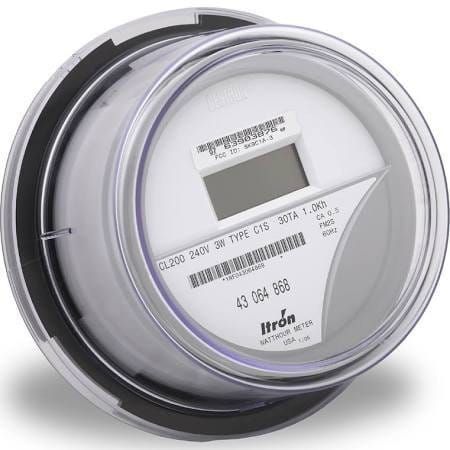
STATEWIDE - Earlier this month, The Ohio Register reported about growing opposition to wireless smart meter installation. While some utility providers are offering “opt out” programs for consumers willing to pay fees, Ohio Administrative Code 4901:1-10 allows electric providers to install digital meters with the RF turned off instead of traditional analog meters.
State utility regulations permit electric companies to replace traditional analog meters with digital alternatives for customers who choose to opt out of wireless smart meters, drawing criticism from consumer advocates and technical experts over potential safety and health concerns.
For those interested in opting out, electrical engineer and utility meter expert, Bill Bathgate (previously interviewed by The Heartland Beat) has conducted research on digital opt out meters and has proven that these meters are not as safe as traditional electromechanical analog meters.
Under Ohio Administrative Code 4901:1-10, electrical providers can install digital meters with their radiofrequency (RF) transmissions deactivated rather than maintaining older, electromechanical analog devices. The regulatory allowance comes amid rising public opposition to wireless smart meter networks
While major utility firms like PG&E, Consumers Energy, and DTE Energy offer programs allowing consumers to disable the RF wireless function for a fee, researchers warn that digital opt-out meters still present risks.
Bill Bathgate, an electrical engineer and utility meter expert, conducted research showing that digital opt-out meters lack the safety profile of traditional analog equipment. The primary concern centers on a component known as a Switching-Mode Power Supply (SMPS).An SMPS is built into digital meters from manufacturers such as ABB, GE, Itron, and Landis+Gyr. The component converts the 240-volt alternating current (AC) from power lines into the low-voltage direct current (DC) needed to run the digital display and internal electronics.
According to engineering assessments, the SMPS conversion process continuously emits high-frequency voltage spikes 24 hours a day. Testing on specific models, including the Silver Springs Network OWS 514 NIC widely deployed by major utilities, revealed the units emit constant millisecond bursts reaching frequencies of 50,000 Hz and higher.
Experts report this continuous electrical pulsing creates two distinct problems, causing electromagnetic interference that can malfunction household appliances and electronic equipment. Additionally, research suggests the constant electrical fields are linked to adverse health symptoms and the disruption of biological systems in exposed individuals.
While there are currently no campaigns to introduce utility meter choice legislation in Ohio, consumers may participate in the ongoing national Children’s Health Defense (CHD) online campaign to send emails requesting legislation to their lawmakers.
The Law Office of Warner Mendenhall has also filed lawsuits on behalf of Ohioans opposed to forced smart meter deployment in their communities. For more information, contact the office directly.