
SignalTrace: The Flock Addition that allows Foreign Governments Complete Surveillance Of Your Every Action
This post was originally made on The Heartland Beat
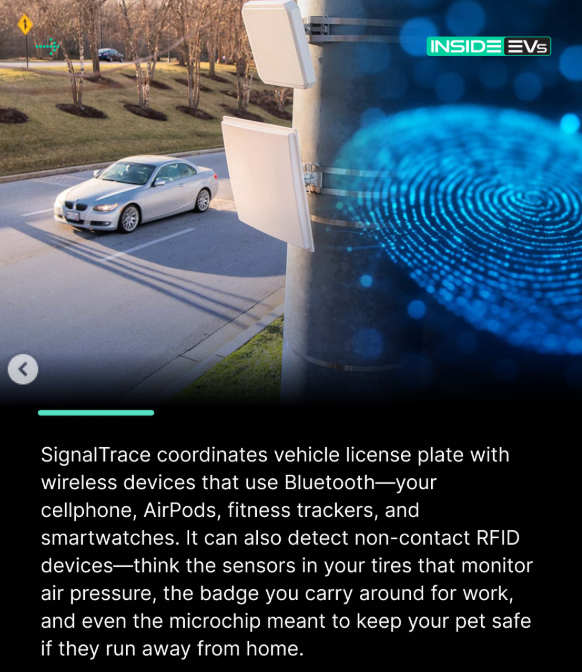
STATEWIDE — In the heart of Ohio’s suburbs and bustling interstates, a quiet expansion of surveillance technology is reshaping how unaccountable entities and foreign nations track everyday drivers. Defense contractor Leonardo US is promoting ELSAG SignalTrace, a signals intelligence upgrade that clips onto existing automated license plate reader (ALPR) systems. It harvests Bluetooth, Wi-Fi MAC addresses, and other electronic signatures from phones, wearables, and vehicle systems to build “electronic fingerprints” of vehicles and their occupants. Where does it come from, who is at the helm of the technology and why it’s a threat to your privacy and national security are all questions looming heavy over the conversation.
This layered tracking, combined with Ohio’s growing adoption of Flock Safety cameras and the Carbyne Next-Gen 911 platform, raises alarms among privacy advocates about an emerging technocratic surveillance grid that catalogs Americans’ movements and communications in real time — often without meaningful public oversight or consent.
Thanks for reading! Subscribe for free to receive new posts and support my work.
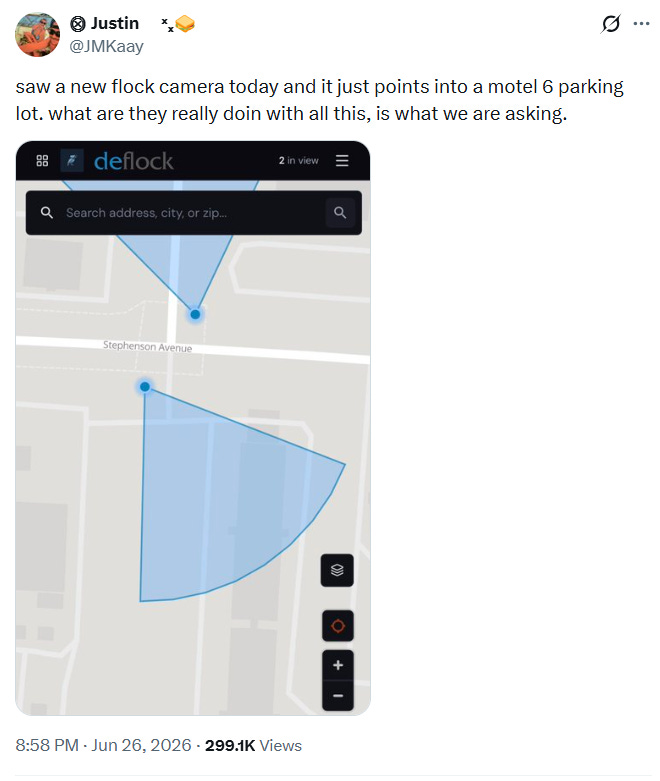
SignalTrace is engineered for seamless retrofitting, meaning it fits neatly into established Flock cameras without needing upgrades or replacement. Leonardo’s marketing materials describe physical sensor attachments that bolt or clip directly onto pre-existing camera poles and hardware, including competitive systems like those from Flock Safety. No new poles or major infrastructure builds are required.

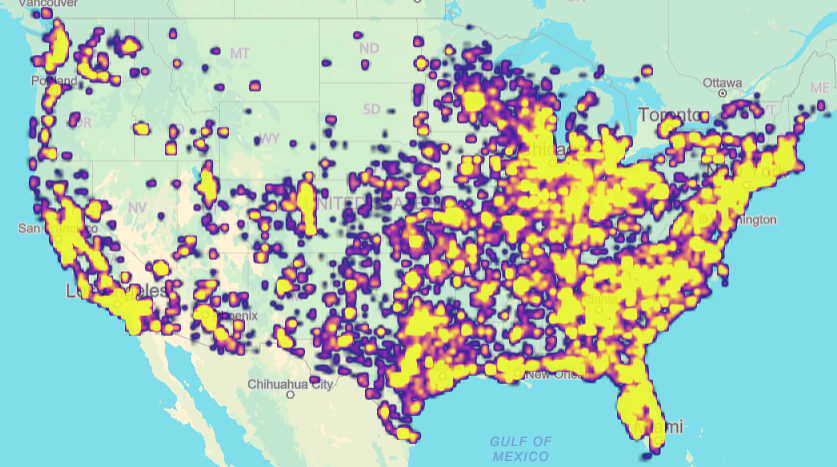
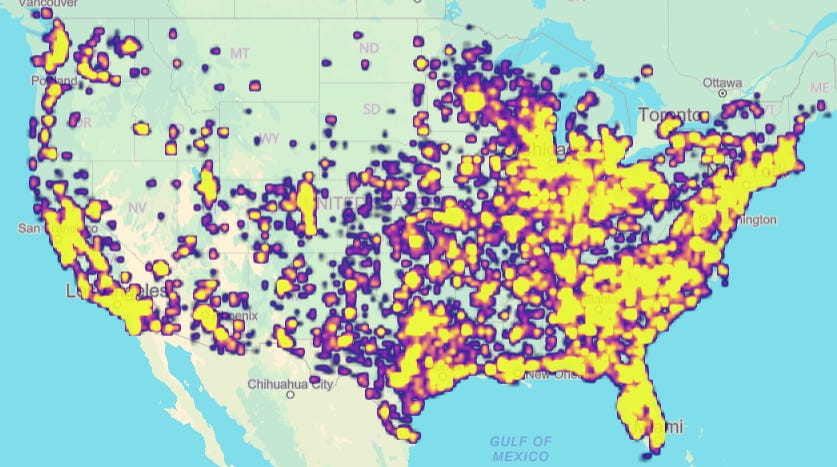
Flock Safety, which has deployed hundreds of ALPR cameras across central Ohio communities including Columbus, Franklin County, and smaller towns, emphasizes its independence and “open ecosystem.” Its FlockOS platform and APIs support third-party data feeds and IP camera integrations, allowing any agency or proprietor access. Local agencies can layer SignalTrace sensors onto Flock poles and synthesize data streams at the municipal level without formal corporate partnerships between Leonardo and Flock. Critics argue this “backwards compatibility” makes public denials of ties largely irrelevant to the on-the-ground reality of fused surveillance capabilities.

Central Ohio police departments have spent nearly $2 million on Flock systems alone, with cameras proliferating along major routes. SignalTrace promises to extend this from visual plate reads to persistent device tracking, even when plates are obscured — shifting the system from reactive crime-solving to proactive human profiling.
SignalTrace captures publicly broadcast identifiers from mobile phones, Bluetooth devices, tire pressure sensors, infotainment systems, and more. Software correlates these with license plates to map travel patterns and “convoys” of devices moving together.
This generates massive data volumes which have to be stored somewhere. Unlike lightweight plate strings, continuous signals intelligence demands expansive storage and processing. The result fuels the broader U.S. data center boom: server farms that consume vast electricity and water resources while anchoring permanent surveillance infrastructure in communities. Ohio residents, through local taxes and utility bills, effectively subsidize the warehouses holding their digitized movements for monitoring and observation.
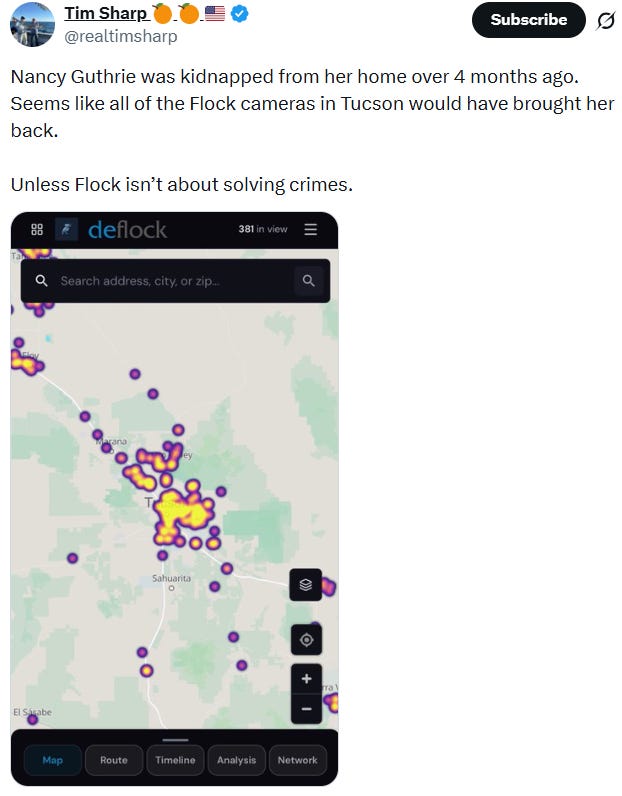
Privacy advocates warn this creates a dragnet where public roads become zones of constant electronic scrutiny. Everyday commutes contribute to profiles that persist in law enforcement databases, enabling retroactive searches with minimal judicial oversight in many jurisdictions. Ohio lacks comprehensive statewide laws governing such technology, leaving decisions to fragmented local policies.
The debate surrounding the integration of such a vast network of public surveillance would be straightforward enough on its face were it not for the concerning foreign entanglements brought by pushing into the direction of the technology and the federal apparatus labeling any opposition to it as ‘terroristic’ or ‘extremism’.

Leonardo S.p.A., the Italian aerospace and defense giant owning ELSAG, maintains deep ties to Israel’s military and intelligence sectors. It supplies radar systems, naval guns, training aircraft, and components used by the Israeli Defense Forces, including collaborations with firms like Elbit Systems on active protection systems.
These military-grade signal intelligence roots now extend to American streets during a time when the legislature is moving to integrate the two nations’ militaries permanently. The connections grow more troubling through links to the late Jeffrey Epstein’s network via Ehud Barak, former Israeli Prime Minister and defense chief.

Barak chaired and invested in Carbyne, a Next-Gen 911 platform that streams smartphone video, location, and data directly to emergency dispatchers. Epstein secretly funneled at least $1 million into the startup through vehicles tied to Barak, according to unsealed documents and investigative reporting. Carbyne has secured contracts in various U.S. locales, including emergency response modernization efforts in Ohio counties.
The same ecosystem of former Israeli intelligence personnel, military tech expertise, and funding networks that shaped Carbyne parallels the development of advanced tracking tools like SignalTrace. Critics see a pipeline where battlefield-derived surveillance migrates to domestic policing, funded and facilitated by figures with histories tied to intelligence operations and scandal.
Ohio exemplifies the trend. Flock deployments blanket central Ohio, while Carbyne’s 911 integrations appear in places like Guernsey County. Local agencies tout benefits: faster recovery of stolen vehicles, aid in investigations, and alerts for missing persons. Yet function creep is evident — from plates to video to audio to device signatures — often without new public votes or robust transparency.
Flock Safety frequently highlights short-term dips in specific crime categories or targeted neighborhoods to promote its technology, but longer-term data and broader citywide trends often tell a different story. In San Marino, California, the company touted a dramatic 70% drop in residential burglaries and 19% reduction in Part 1 crimes based on a narrow five-month window in 2021 shortly after deployment. However, over the full post-installation period through 2023, residential burglaries actually rose 5% compared to pre-Flock levels (63 in 2023 vs. 60 in 2019), while serious Part 1 crimes remained essentially flat. Even the local police chief acknowledged the marketed figures were inaccurate.
Similar selective framing appears in Dayton, Ohio, where touted reductions in a specific neighborhood overlapped with the early rollout period amid fluctuating citywide trends, making causal attribution difficult. Independent analyses, including by Forbes, have documented this pattern of cherry-picked statistics that exaggerate efficacy while downplaying the absence of sustained, citywide crime suppression. Several jurisdictions have reported minimal or no measurable overall crime reduction despite significant investments.
In Dayton, officials bagged Flock cameras after discovering thousands of unauthorized searches, highlighting data-sharing risks in Flock’s national network. Similar concerns echo statewide.
Leonardo and Flock market these tools as public safety necessities in an era of rising crime concerns. But the cumulative effect — omnipresent cameras, device pings, emergency call intercepts, and cross-referenced databases — points toward a technocratic noose: a system where private contractors, foreign-linked defense giants, and law enforcement fuse into an always-on monitoring apparatus.
Data retention policies vary, but the infrastructure’s permanence suggests long-term retention of patterns. MAC address randomization and Bluetooth disabling offer limited individual defenses against a proliferating grid. Broader accountability requires legislative intervention, yet Ohio’s patchwork approach leaves residents exposed.
This fusion of domestic policing with military-derived signals intelligence, layered atop networks with documented ties to controversial international funding channels, accelerates a surveillance state many Americans neither voted for nor fully comprehend. As Ohio communities grapple with expanding camera counts and deeper integrations, the question looms: At what point does “public safety” infrastructure become indistinguishable from pervasive social control?
The progression risks normalizing the idea that constant electronic testimony from citizens’ devices is the price of security. In a democracy, such foundational shifts in the relationship between state power, corporate contractors, and individual autonomy demand far greater scrutiny than they have received to date.