Springfield City Commission Passes Moratorium on Data Centers
BY JEFF SKINNER
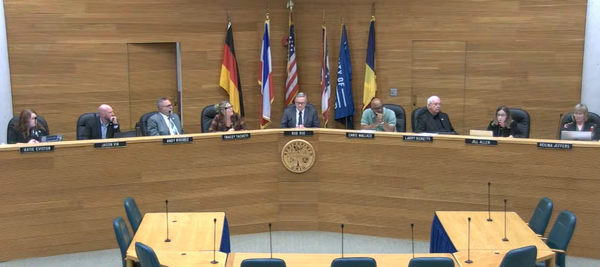
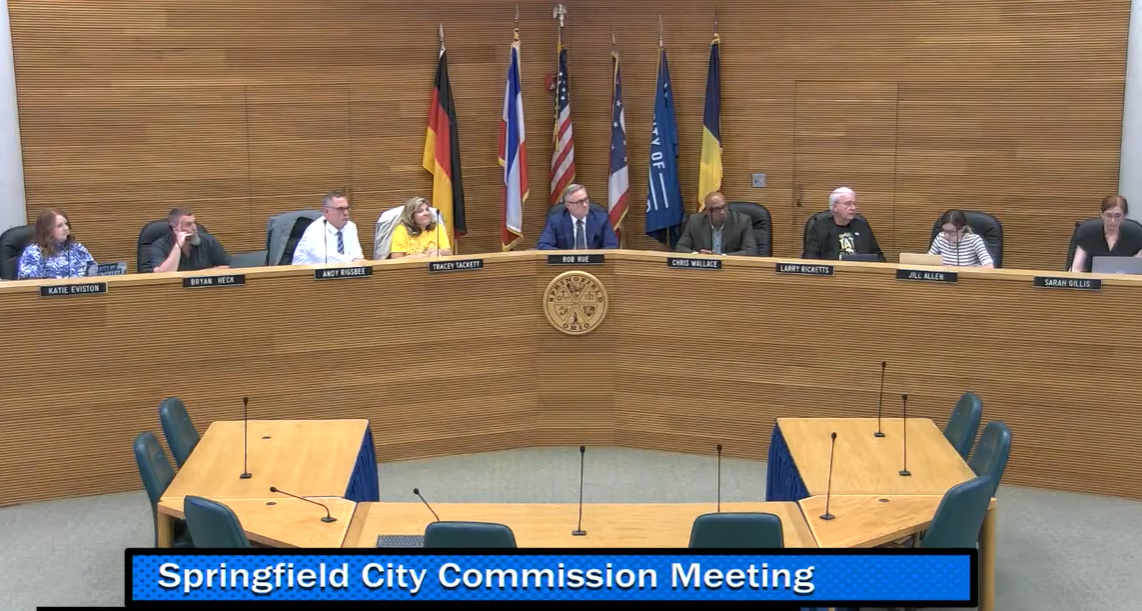
SPRINGFIELD - The Springfield City Commission voted unanimously 5-0 on Tuesday night to halt all development of high-density computing infrastructure, enacting an immediate six-month temporary moratorium to study the regional strains caused by mega-data centers.
The sweeping freeze blocks the establishment, processing, review, and approval of data infrastructure across the city. Driven by mounting environmental concerns and intense public pushback over local infrastructure strain, the pause allows municipal staff time to evaluate the widespread impacts of these facilities before any further projects move forward.
The emergency legislative action responds directly to an escalating community debate surrounding a mega-data center currently under construction, which residents claim threatens the local ecosystem and exploits public resources.
The commission’s decision followed sharp public criticism during the meeting's open comment period, where residents targeted the city’s economic strategy and lack of oversight regarding tech infrastructure.Local resident Nicole Bethel led the opposition, questioning why municipal leaders granted a 100 percent tax abatement to a million-dollar tech firm while standard public services suffer. Bethel argued the project provides minimal local economic return while drawing heavily on municipal assets.
"The company would reap hundreds of millions while providing only a handful of non-local jobs and freeloading off resources," Bethel said.
Bethel raised several critical environmental and safety concerns, pointing out that the city has failed to perform necessary testing or monitoring near the construction site. She noted that municipal officials do not test the local aquifer for industrial depletion or contamination, and that no active monitoring exists for air quality degradation or low-frequency sound pollution generated by massive cooling grids. Furthermore, she emphasized that the city has completely failed to assess the potential strains these facilities place on local electrical grids and emergency medical infrastructure.
The debate intensified as residents exposed critical safety vulnerabilities in local emergency response capabilities.Resident Terry Atkins raised alarms from a recent Springfield Township meeting, revealing that the region lacks the specialized equipment required to suppress a high-voltage or chemical fire at the new data center being built on Route 41.
Atkins quoted the local township fire chief, who stated definitively that "there's not enough foam in Clark County" to handle a potential disaster at the facility. He further criticized municipal emergency planning, warning that a lack of specialized tactical preparation makes the site a severe safety hazard.
Mayor Rob Rue sought to distance the commission from the construction itself, stating that the city is not actively building data centers.
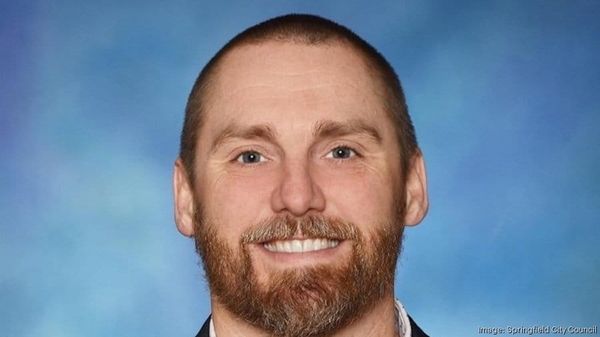
Commissioner Larry Ricketts, who prompted the initial moratorium framework, thanked residents for bringing the safety and resource metrics to light. Ricketts emphasized that the six-month freeze is a flexible baseline meant to protect the community. He noted that the moratorium could be extended further if the county's upcoming regulatory guidelines require deeper evaluation.
The enacted text officially freezes all high-density computing infrastructure requests effective immediately, directing city staff to analyze data infrastructure impacts before any moratorium restrictions are lifted.
Other comments at the meeting focused on the looming expiration of Temporary Protected Status covering the Haitian 'visitors' currently residing in the city in unknown quanitities.
The intense population influx and the city's ongoing debate surrounding Temporary Protected Status (TPS) also took center stage during the public forum, with residents warning leaders that rising local friction could soon trigger negative national news coverage.
Local advocate Kenneth Selig, speaking as Baron, pleaded for solutions regarding community safety, noting that Springfield is actively wrestling with difficult community questions regarding immigration policy. Selig asserted that while reasonable people can disagree on policy, no citizen should face intimidation or physical assault for expressing public opinions. He detailed a recent plaza demonstration where he carried a historic American flag and was subsequently spit on, assaulted, and threatened by opposing demonstrators. Mayor Rob Rue expressed empathy regarding Selig’s fears and directed the chief of police to follow up on the plaza incident.
Further economic concerns were raised by Bruce Clay, a veteran outreach worker who stated that while he has never seen an illegal immigrant utilizing local homeless shelters, open-border policies and the sudden population surge have driven area rents to unaffordable levels. Clay criticized an apparent disparity in local aid, alleging that community groups quickly raised $150,000 to subsidize new neighbors while longtime residents are left without assistance. He cited instances of local individuals freezing to death and a disabled veteran being evicted after a massive rent spike. Clay urged the community to view the escalating crisis as a human race issue rather than a source of race-baiting division before the public comment period concluded.