
Microsoft Patent for Real-Time AI Video Editing Sparks Concerns Over Political Deepfakes
BY JEFF SKINNER
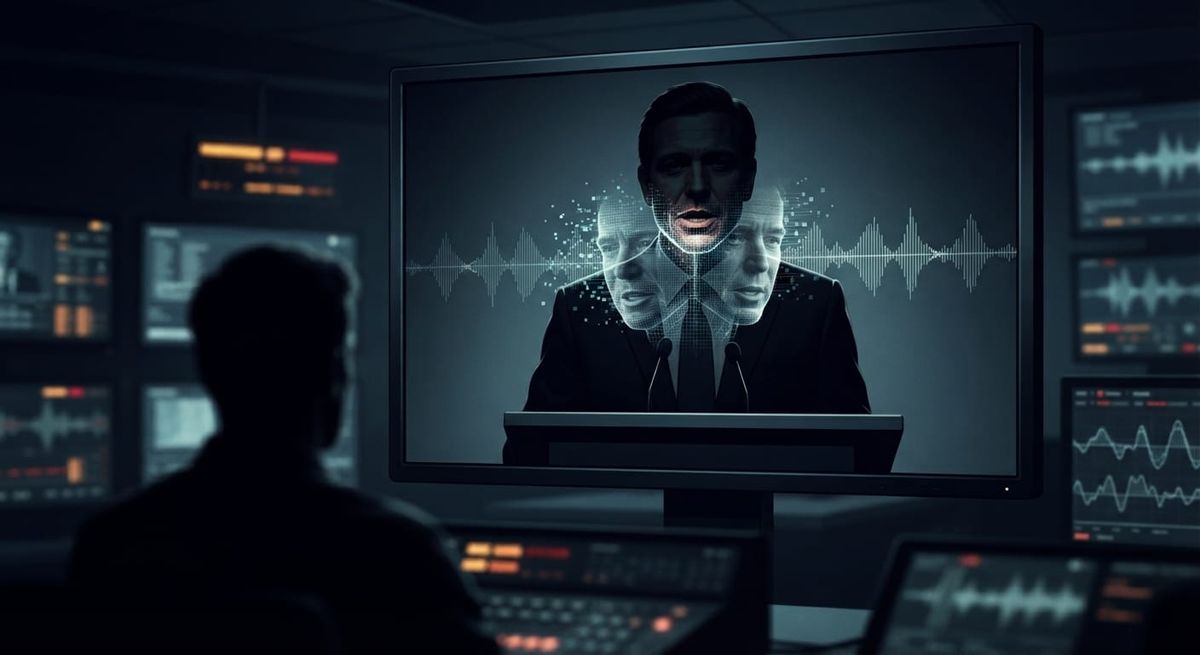
STATEWIDE - A newly published patent application from Microsoft describes an artificial intelligence system capable of altering a speaker’s words during live broadcasts and redrawing their lip movements to match in near real time, raising alarms among technology ethicists and democracy advocates about the future of shared public truth.
Patent information provided by investigative researcher Orwell Huxley outlines a truly dystopian technology which could fundamentally reshape the political and governmental landscape.
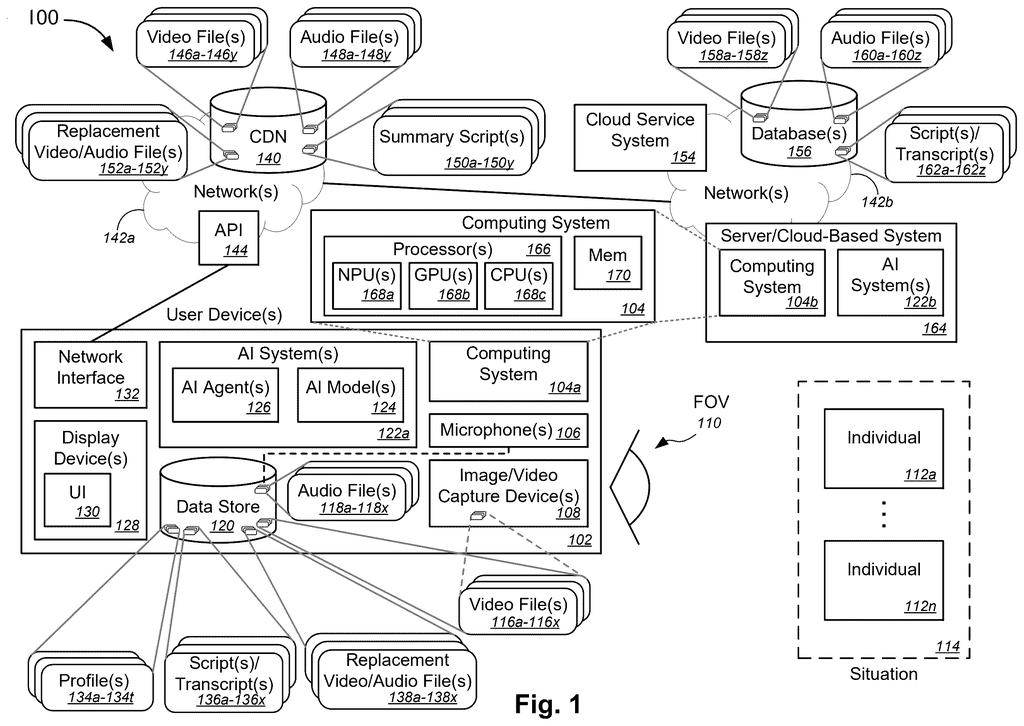
The filing, titled "Near Real-Time Artificial Intelligence (AI) Enhancement of Video or Augmented Reality (AR) Presentations of Live Events," outlines a method for intercepting live video and audio streams within a 1-to-10-second delay window. Using generative AI, the software scans speech for flagged words, swaps them with alternative audio, and synthesizes new video frames to seamlessly align the speaker's mouth with the altered dialogue.
While the patent application lists everyday commercial uses such as live language translation, profanity filtering, and removing verbal stumbles during sports broadcasts or lectures, the mechanics of the system present stark implications for political discourse and elections. According to the patent specifications, edits can be triggered not only by preset broadcaster rules, but also by an individual viewer’s profile, including their location, age, education level, and cultural background.
Critics warn that applying demographic targeting to live political speeches, debates, or breaking news events could fracture public consensus and undermine democratic accountability. If deployed in political communications, a single live campaign speech could be dynamically customized for different audiences, creating a micro-targeted political reality. Viewers in one region or demographic group could hear a candidate emphasize a specific policy stance, while viewers elsewhere hear a completely different message, complete with convincing, AI-generated lip movements.
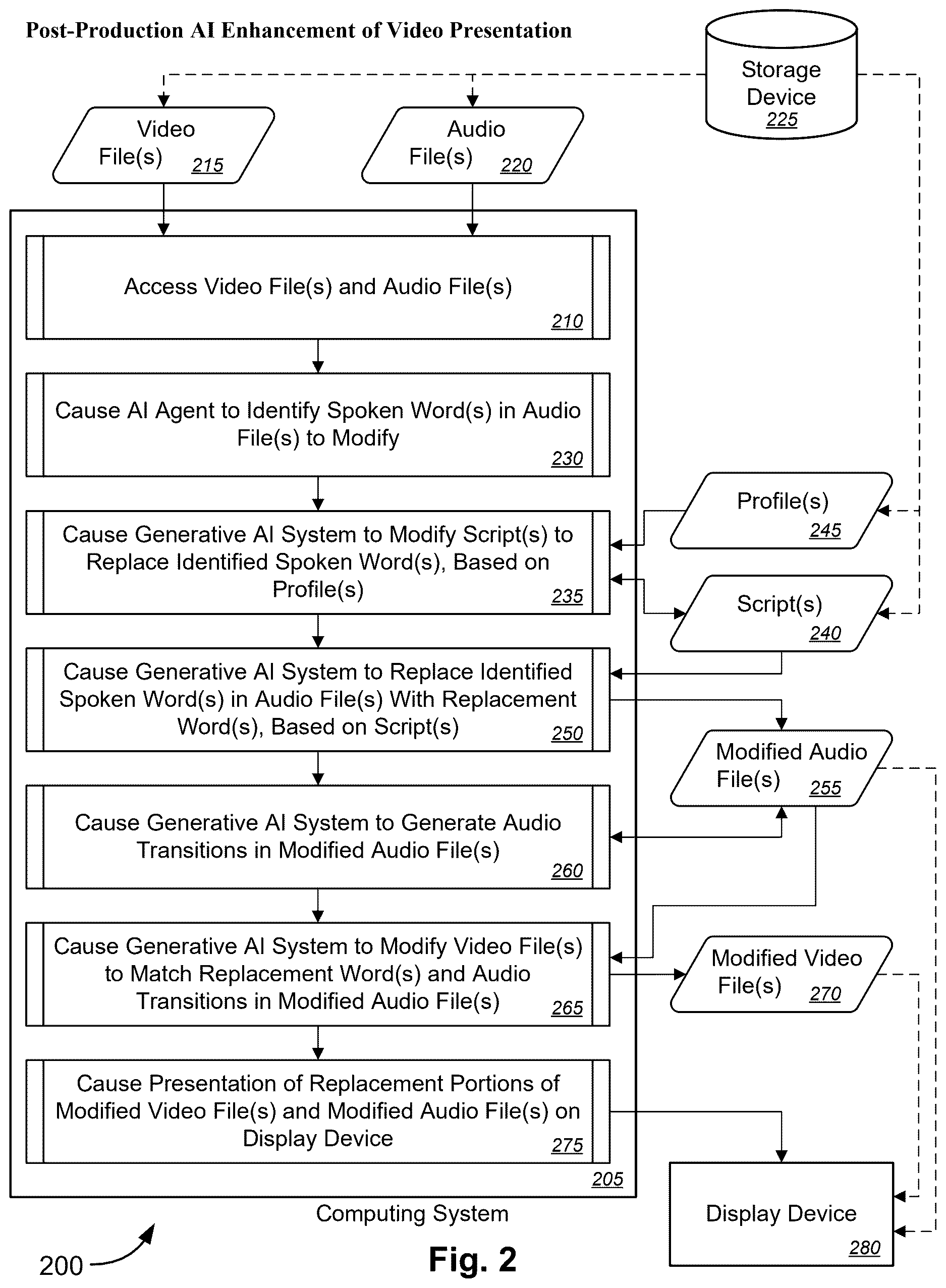
That capability threatens to erode long-standing public trust in live broadcasts. Historically, live television and streaming feeds have served as a baseline for the verifiable public record because there was insufficient time to fabricate video on the fly. A multi-second AI buffer removes that safeguard, making it harder for voters and journalists to trust live events as they unfold.
The technology also complicates efforts to maintain a shared historical record. Although the patent notes an option to retain the original, unedited feed as a "ground truth," it also describes running the software directly on end-user devices such as smartphones and augmented reality glasses. If alterations occur locally on a viewer's screen, establishing an authoritative record of what a public figure actually said becomes significantly more difficult.
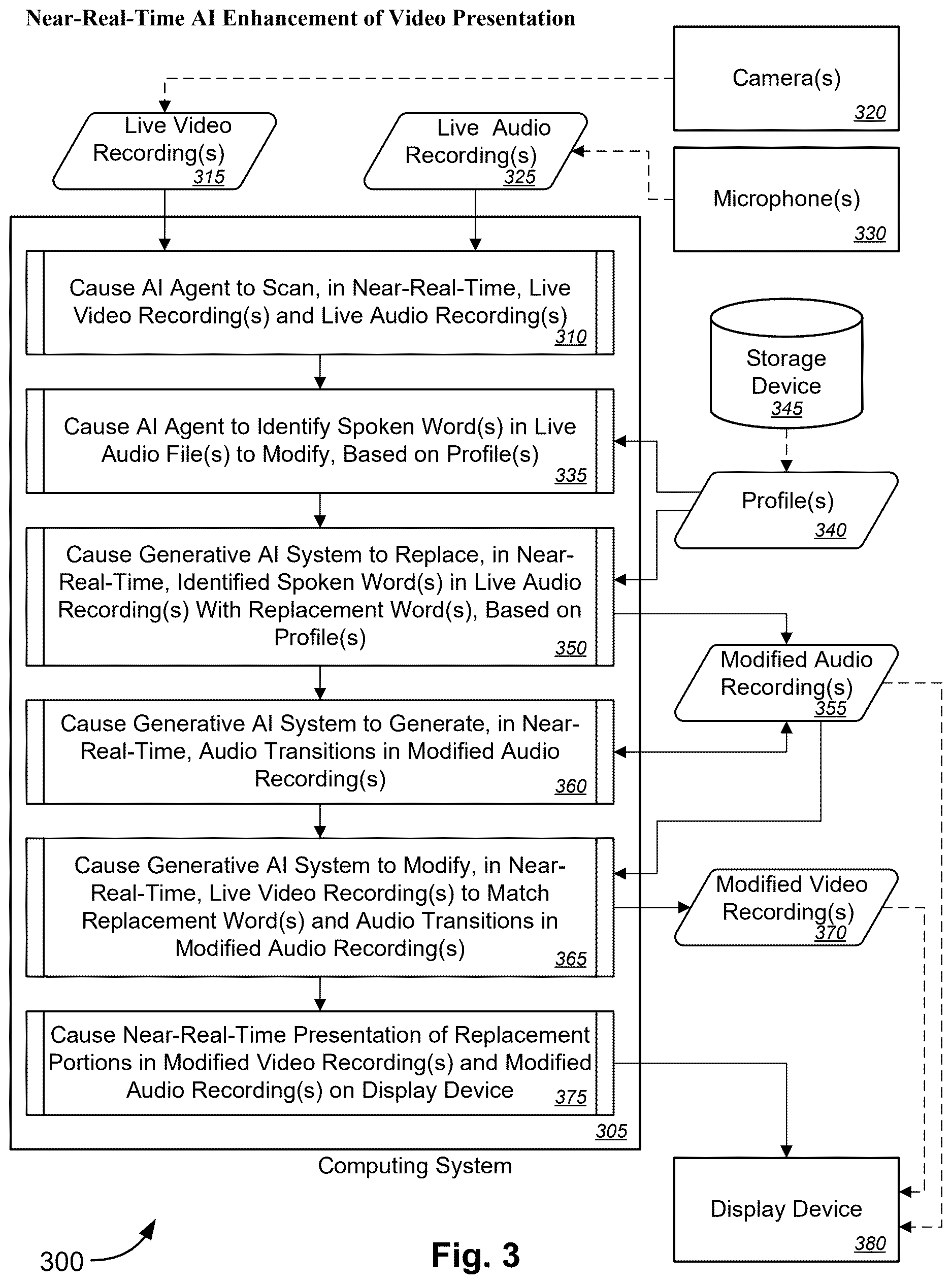
Beyond overt censorship, the patent describes using AI to exert subtle editorial control by swapping regional idioms, simplifying vocabulary, or pulling replacement terms from internet searches to "correct" statements on the fly. In a political context, automated adjustments to tone, phrasing, or disputed facts could quietly reshape a speaker’s intent without the audience ever knowing an intervention occurred.
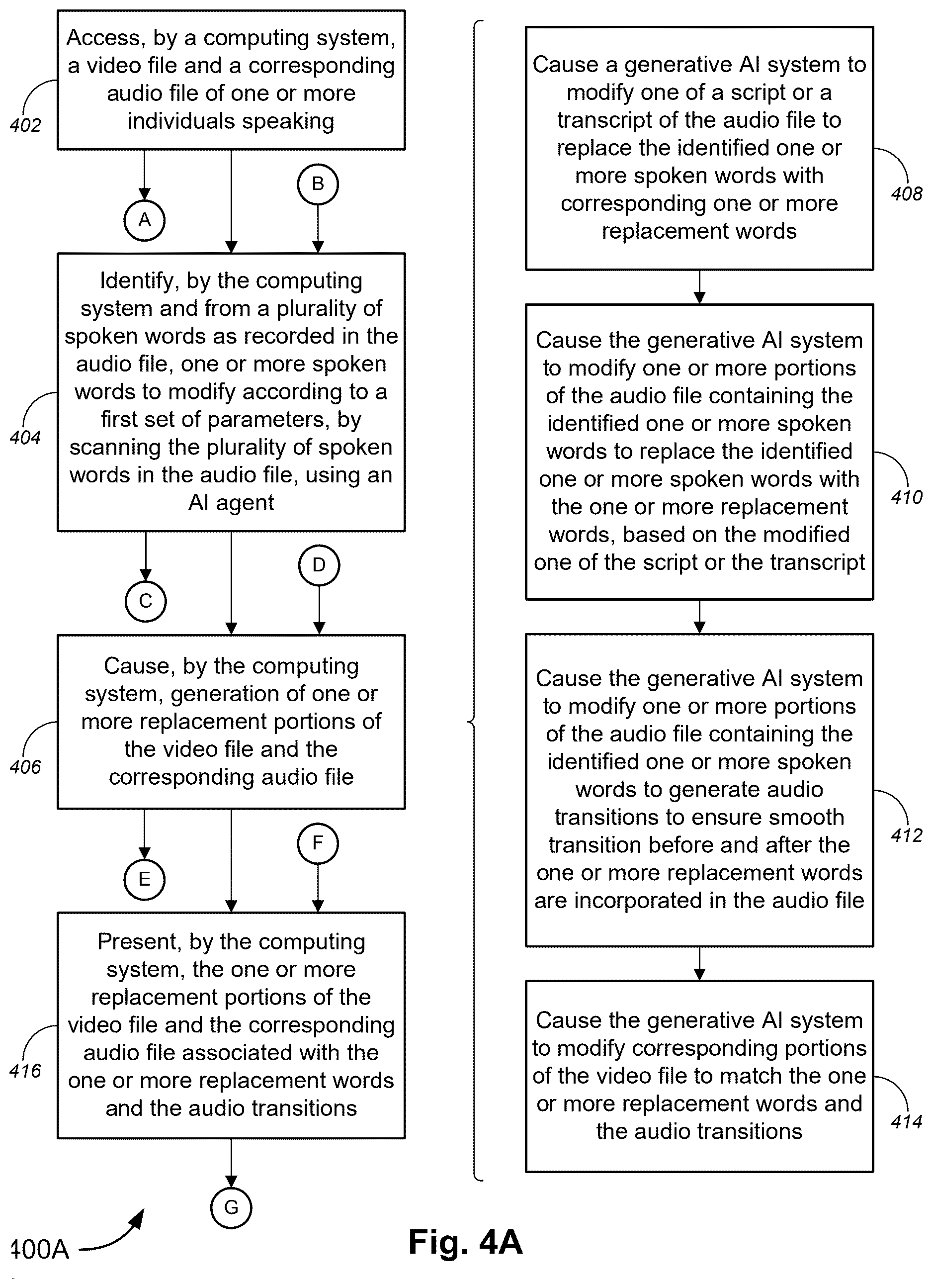
Large technology companies routinely file patents for experimental or defensive concepts that are never developed into commercial products. Microsoft has not announced any plans to release the technology, and the application remains pending before the U.S. Patent and Trademark Office following initial examiner objections earlier this year.
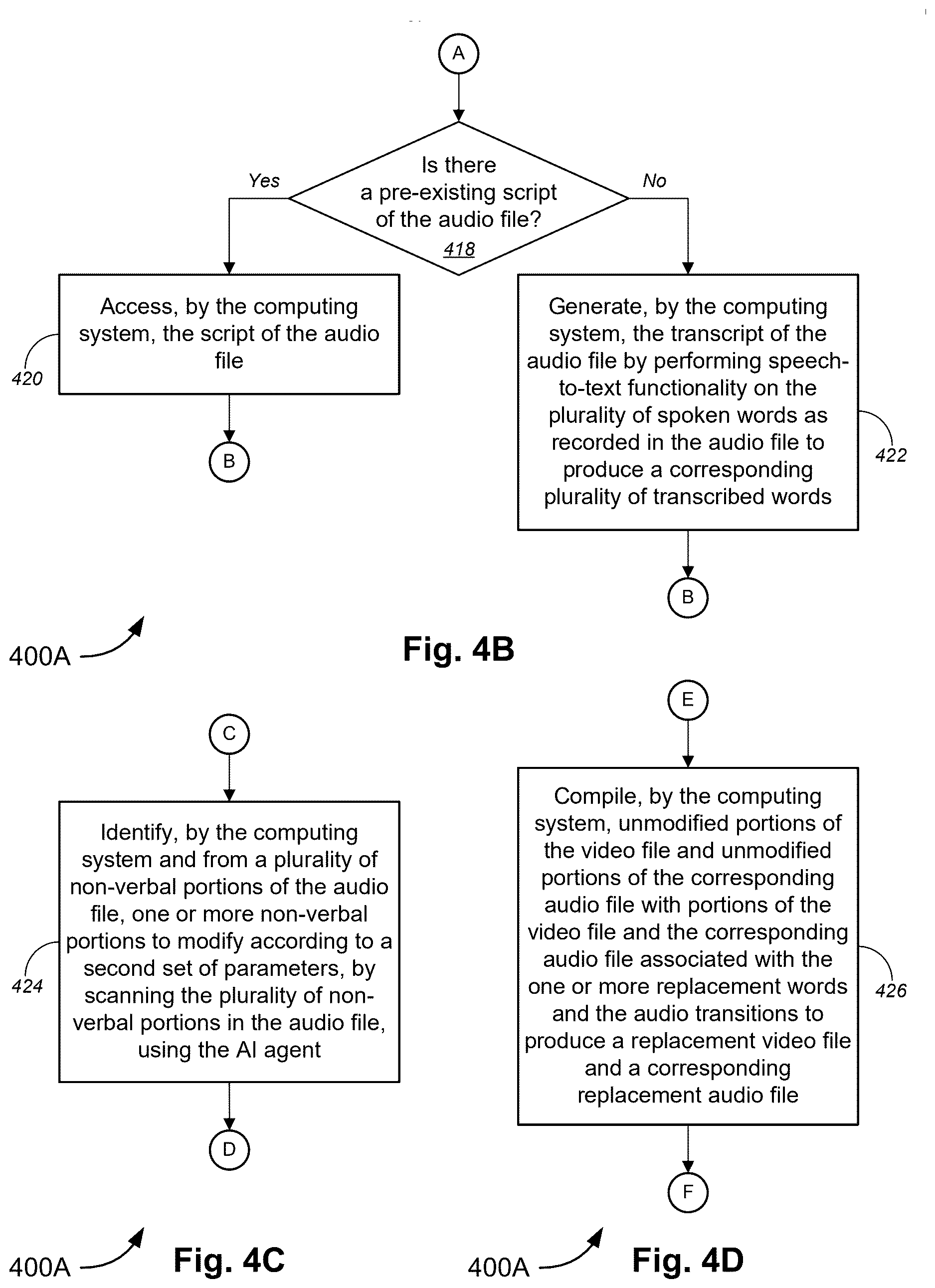
Still, digital rights advocates say the filing underscores how rapidly real-time synthetic media is advancing, outpacing current election laws, broadcast standards, and content-authenticity safeguards designed to protect voters from deceptive media.