Ohio Data Center Energy Sourcing: It’s a Lose-Lose
BY NICK ROGERS
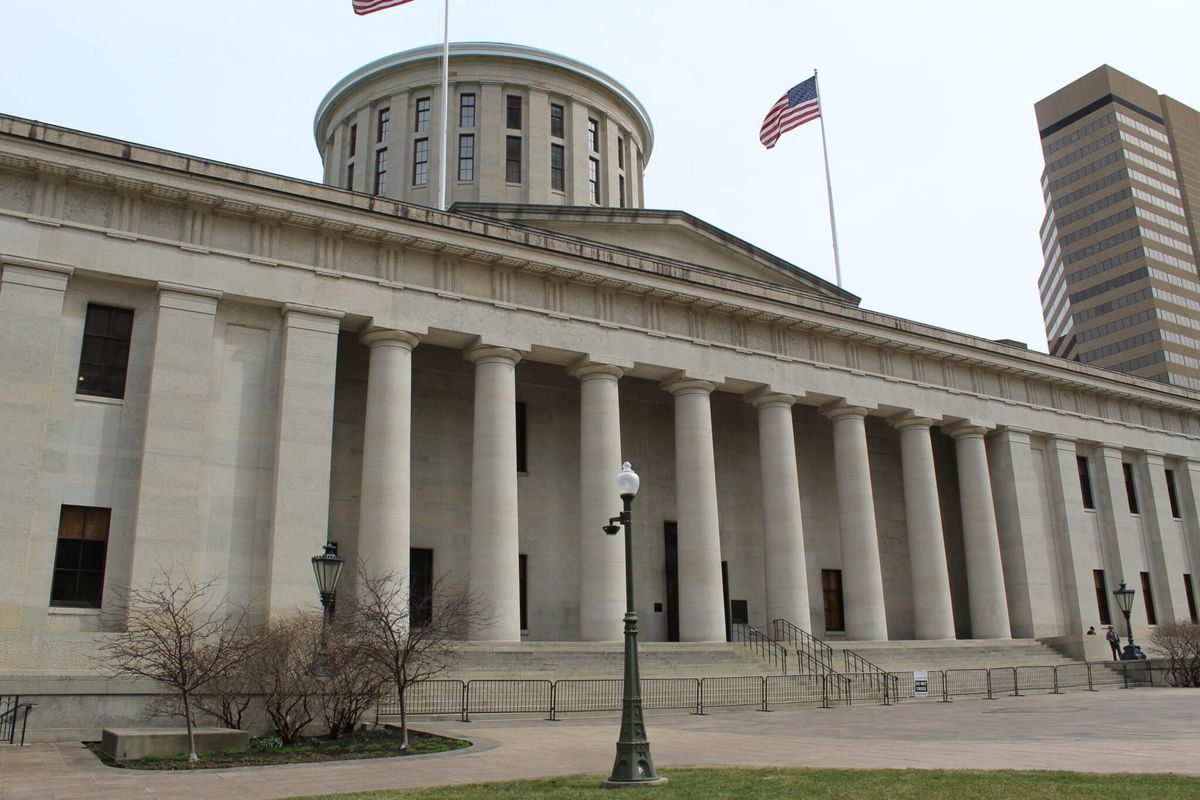
STATEWIDE - Senate bill 294, the “Declare the state’s energy siting policy,” is setting the bar high for energy output requirements from Ohio’s existing power plants while, at the same time, setting up further roadblocks for “renewable” energy developments such as wind and solar farms.
Advocates say the bill is necessary to meet Ohio’s rapidly-growing electricity needs from the data center influx, while opponents call it a concentrated version of President Trump’s $2.7 billion investment in “dirty energy.” Despite the existing divide on SB 294, both sides of the fence seem to agree that Ohio faces a serious dilemma: how will the state’s electrical grid support these AI behemoths, and what will the fallout look like for Ohio consumers and the environment?
SB 294 – currently in Senate Committee – would require power plants to constantly produce over 50% of their “maximum electrical output.” Data centers never sleep, so the bill seeks to ensure their insatiable energy output is met at all times. Production from natural gas (obtained primarily through environmentally-disastrous fracking), coal (the producer of carcinogenic coal fly ash), and nuclear plants (always at risk of toxic spilling) would be bolstered to accomplish this; energy sources relied upon in the past for “baseload generation.”
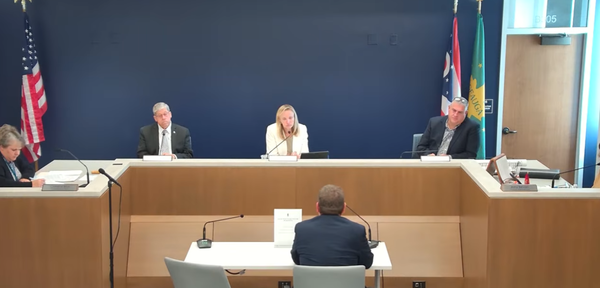
In testimony against the bill, Lea Harper, managing director of the Fresh Water Accountability Project, said, “It is becoming increasingly apparent that there is no long-term consideration of the economic and environmental future for Ohio when fossil fuels are incentivized over clean, renewable energy.”
Opponents of the bill regularly site the scientific consensus that the burning of hydrocarbons – the primary end result of creating natural gas and coal – contributes to “climate change.” This, of course, is a much more expansive topic that this author has covered through the lens of covert geoengineering operations via aerosol spraying from aircraft; operations that could, on their own, explain the drought/deluge/weather whiplash scenarios we’ve all become uncustomed to in our brave new world (ironically, such operations likely include coal fly ash as a primary ingredient).
What cannot be denied is the massive amount of fresh water (primarily from the Great Lakes) used to cool data centers in the region. Opponents of the bill point out that natural gas (fracking), coal, and nuclear are all water-intensive energy sources on their own, and that coupling that with data centers’ insatiable need for water could spell doom for what accounts for roughly 21% of the world’s fresh water.
It is estimated that, by 2040, 1/4th of Ohio’s energy demand will come from data centers (77 are currently in development in Ohio in addition to the over-200 existing facilities, ranking the state #5 in total facilities). Because of this, grid reliability has been questioned, and a watchdog group has made a desperate call to the state for a data center moratorium.
Governor DeWine and other Ohio politicians have previously highlighted the economic importance of allowing data centers to multiply in the state, citing tax revenue and job growth (truthfully, very few Ohio jobs are created from data centers; slightly less than 12,000 jobs exists, according to Axios). But DeWine, however, has recently joined the growing number of those worried about data centers’ impact on Ohio. On May 27th, DeWine announced a pause on data center tax exemptions; a huge incentive for already-wealthy companies to set up shop in the state over the last few years.
So why not wind and solar? Well, for one, wind and solar power is weather-reliant and, hence, unreliable, and that is why language in SB 294 seeks to market existing “dirty” energy source as “clean and reliable.” Wind and solar fall well-short of the 50% production requirement set forth in the bill. Currently, interestingly enough, coal averages fall in the 40%+ range, meaning production would need to ramp up greatly.
One opponent of the bill – Save Ohio Parks – believes that “renewable” energy could still be the answer, but that massive investments in their infrastructure would need to be made.
Research by the above grassroots organization claims that restrictions on wind and solar in Ohio have sacrificed over 5.3 gigawatts (GW) of potential energy generation over the past decade.
Rachel Kutzley, formerly a political and economic section chief at the U.S. Department of State (now a governing board member of Save Ohio Parks), said, “Ohio should capitalize on the economic opportunities of data centers while ensuring that their growth benefits local communities.” Kutzley, the holder of a master’s degree in Environment and Natural Resources from Ohio State University, believes a “clean” energy/data center partnership could work.
“Meeting the energy demand of data centers requires a more flexible and decentralized electric system. It will require massive investment – but with that investment comes an opportunity to modernize the grid and build a more resilient and sustainable energy system,” she said.
The wind and solar debate has raged on in Ohio long before SB 294’s introduction, and a deeper dive into these feel-good energy sources reveals a darker underbelly of health and environmental impacts.
From wind turbine noise to constant a constant humming sound heard by nearby residents to turbine shadow flicker to electromagnetic spillover to solar panel battery waste to water contamination to biodiversity impact to aesthetically unpleasing landscapes, wind and solar farms are rife with downsides. True, they do not involve the burning of hydrocarbons, but this author will leave the legitimacy of the “climate emergency” to be decided by the reader.
To date, more than 30 Ohio counties have banned wind and solar projects, and often the issue comes down to one of property rights.
Whichever side of the SB 294 fence you find yourself on, the bigger issue presented is that of the data centers themselves and their inevitable environmental – and societal – impact (think AI-run government).
The question every Ohioan should be asking themselves is: do I consent and, furthermore, is my personal participation in the technocratic rollout contributing to the problem?