Springfield Commissioners Hear Update on Million Dollar Utility Payment Portal
BY JEFF SKINNER
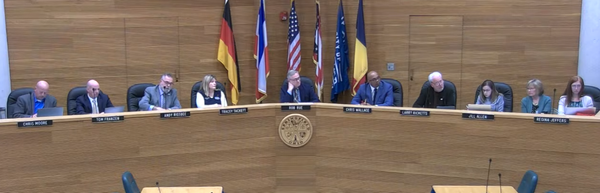
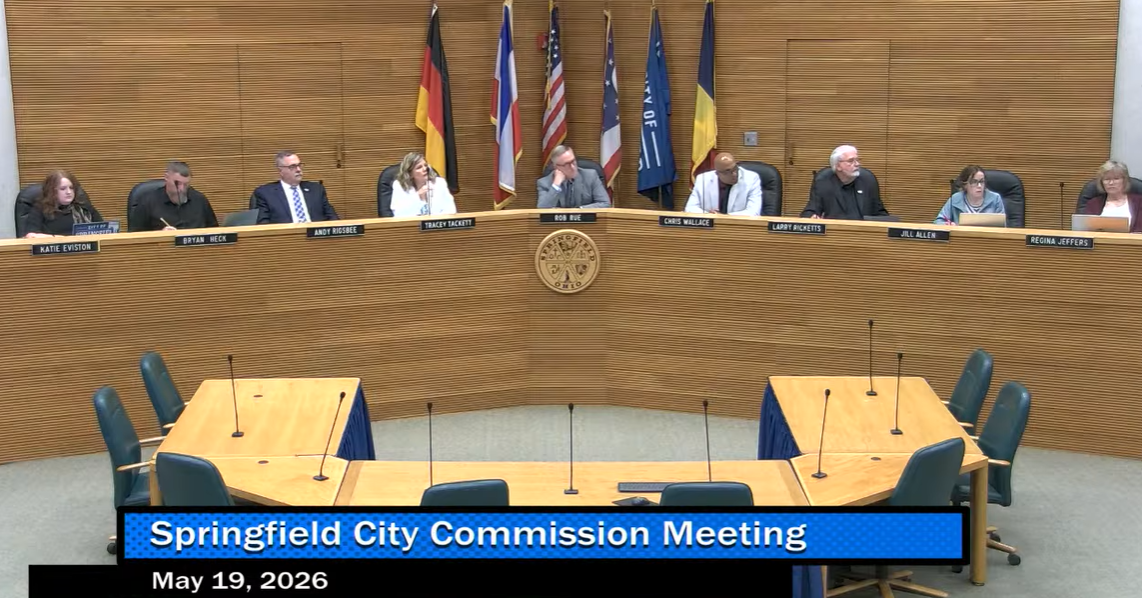
SPRINGFIELD - The Springfield commissioners heard a presentation by Finance Director Katie Eviston, Utility Income Tax Administrator Brandy Bubp, and Senior Billing Specialist Kevin Walters on the new utility billing software by SpryPoint, which will cost just over $1 million. The move comes amid public concerns over technology encroachment, data centers and government transparency.
During the special hearing, which occurred before the regular session of the commissioners on May 19, Brandy Bubp updated the commissioners on the reason the city is migrating to a newer system, primarily the inability of the older ‘text based’ billing software to ‘integrate’ to new technologies. Springfield has been updating its utility meters, including water meters, which will function smoother with an updated system to facilitate it.
City officials issued a request for proposals and received nine submissions. After evaluations, interviews and demonstrations, SpryPoint was selected as the lowest and best proposal. The cost for implementation and the first five years of service totals $1.2 million, a cost many critics were confused about given the city income tax has flattened and emergency services are experiencing multiple brownouts. SpryPoint is a cloud-native, software-as-a-service (SaaS) platform, aligning with broader trends in municipal technology that often rely on data centers for hosting and processing. This architecture enables regular updates, scalability and integration but has drawn scrutiny locally amid debates over data centers' energy demands and resource use.
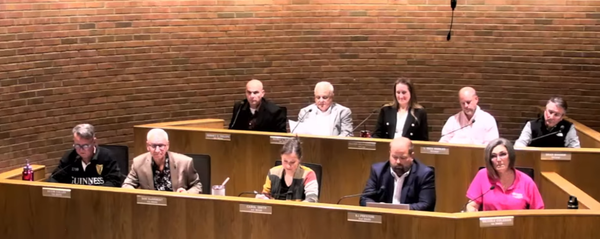
During public comment, resident Melissa Rexroth raised multiple concerns, including the city's relationship with the World Economic Forum (WEF), use of Flock safety cameras, potential smart city initiatives, and data centers. She questioned whether commissioners align with WEF visions on global order, surveillance and immigration, and asked about human capital management software like Oracle HCM, used in the city's ERP system. She inquired about the city’s ties to the World Economic Forum, asking if commissioners align with its visions on “global order, surveillance, immigration rates.”
Rexroth questioned the use of Oracle HCM software in the city’s ERP system: “Is that what your constituents are to you? human capital that you must manage.” She pressed for details on Flock safety cameras — asking models, capabilities (pan/zoom, microphones), and whether Springfield plans “smart city” features. She formally requested canceling the Flock contract, citing Dayton’s action.
On data centers, she highlighted tax abatements, energy demands (citing a PJM letter on emergency alerts and load shedding risks), water usage impacts on aquifers, noise levels and chemical safety data.
City Manager Bryan Heck and Police Chief Allison Elliott responded on Flock cameras, confirming 38 units in Springfield focused on hotspots without microphone capabilities and with data safeguards. Officials addressed Jobs Ohio and economic development partnerships, emphasizing their role in grants like a $350,000 airport fence reimbursement, while acknowledging broader transparency debates.
“These investments are really about helping the city operate leaner and more efficiently while continuing to provide high quality services,” one official said.
The meeting reflected ongoing tensions between modernization efforts, fiscal constraints and resident calls for transparency on technology and development impacts. SpryEngage launched in December 2025, with officials optimistic about long-term benefits for residents and operations.