Springfield Spends Big On Drone Tech, Citizens Argue Solution in Search of Problem
BY JEFF SKINNER
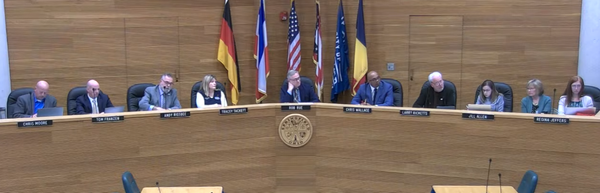
SPRINGFIELD — Despite ongoing fiscal woes, chronic fire division understaffing and resident alarms over misplaced priorities, the Springfield City Commission on Tuesday approved a nearly $240,000 contract with Motorola Solutions to launch a Drone as First Responder pilot program critics fear will expand government surveillance while delivering questionable value in a cash-strapped city.
The approval, following a work session presentation, authorizes a two-year deal not to exceed $239,996 for the BRINC system, with options for three one-year renewals. The Ohio Department of Transportation pilot reimburses some operating costs after the city's upfront purchase, but local taxpayers bear the initial burden amid flat or declining income tax revenue and repeated budget shortfalls.
Assistant City Manager Tom Franzen and police/fire officials touted the “drone-in-a-box” technology housed at City Hall and Fire Station 8. The automated BRINC Responder drones promise deployment within about 45 seconds to a minute for select 911 calls, equipped with thermal/optical cameras, two-way communication, emergency lights, obstacle avoidance, a parachute and up to 42 minutes of flight time.
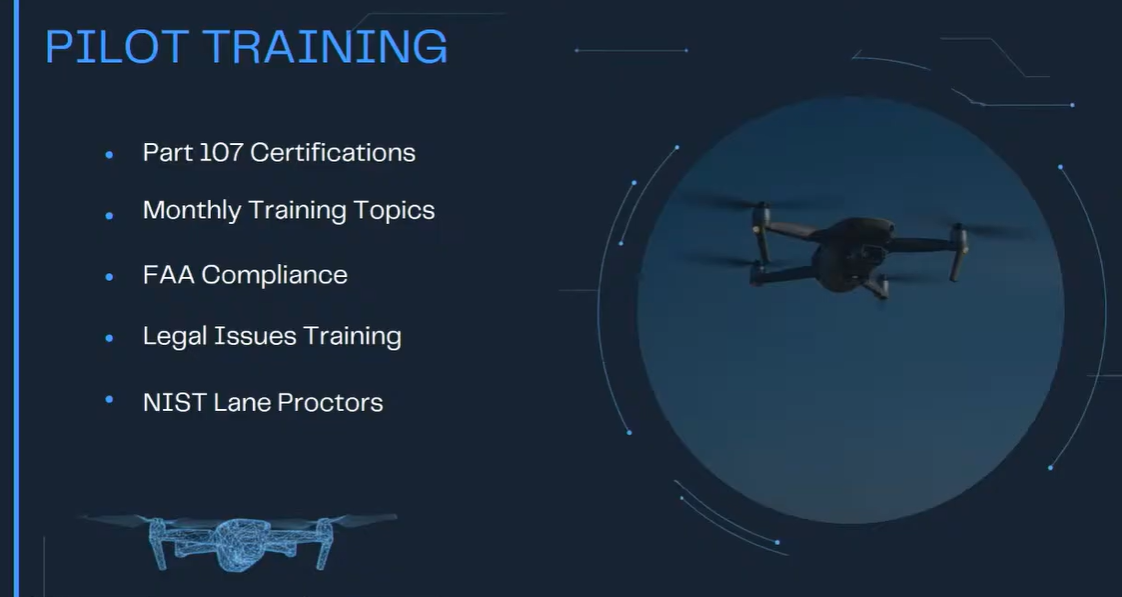
Officials highlighted existing handheld drone use and 18 Part 107-certified pilots, presenting videos of thermal detection in a shooting suspect case, fire scene assessment and a missing person search. A BRINC demo video showed de-escalation potential by identifying a possible firearm as a lighter. Proponents claimed benefits like faster scene awareness, reduced unnecessary apparatus responses and interoperability with nearby townships.
Yet the rollout raises serious red flags in a city where public comments repeatedly spotlighted fire staffing shortfalls below charter levels — currently near 128 uniformed personnel against an authorized 130, with pending retirements — and broader resource strains forcing difficult operational decisions.
Springfield faces documented revenue pressures. Income tax collections have shown weakness, with net profit revenue dropping significantly in recent comparisons. The city has grappled with multimillion-dollar budget gaps, prompting proposed cuts to core services including police, fire and public works. Residents questioned approving new technology spending while addressing staffing and infrastructure needs.
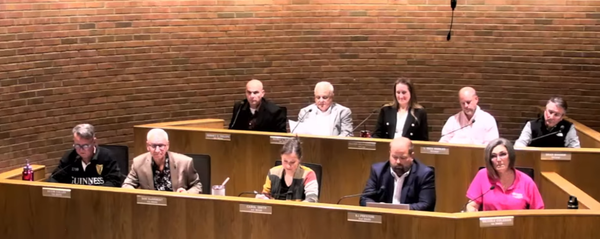
Public commenters during the regular commissioner session, including firefighters' union leadership, urged proactive staffing solutions, noting prolonged hiring timelines and increased call volumes. Others commentors, including resident Melissa Rexroth, tied broader concerns to recent tax abatements for data centers, arguing the city prioritizes flashy initiatives over essential services or long-term, constructive thinking or planning for the betterment of citizens.
During the public comment period, citizen Diana Daniels raised pointed concerns about the Drone as First Responder program, drawing from what she described as past personal experience with the city’s existing drone usage.
“Um housekeeping as well. The drones you’ve used them you’ve used drones in the past. uh you did the used them in August of 2024. How do I know? Because I was followed by one or two when I was meeting with reporters from around the country over in Ferncliff. So yes, they can be used for surveillance," Daniels said.
Daniels' remarks highlighted skepticism about assurances that the new DFR drones would be limited to specific emergency responses, suggesting instead a pattern of broader surveillance capabilities already in use by the city. Her comments underscored broader resident distrust regarding privacy and mission creep in the program.
The drone program's Amazon Web Services cloud storage for footage added another layer of private-sector data dependency.
ODOT's Rich Fox described the statewide pilot involving eight municipalities, emphasizing data collection for FAA airspace management. However, civil liberties advocates nationwide warn that Drone as First Responder (DFR) programs risk normalizing pervasive surveillance with insufficient guardrails.
The American Civil Liberties Union has strongly cautioned against rapid DFR expansion without strict limits, arguing such programs can evolve into “omniscient eyes in the sky.” In one cited example, Baltimore's 2016 aerial surveillance during protests led to an ACLU lawsuit finding Fourth Amendment violations. Similar worries persist about mission creep beyond declared “specific incidents.”
In Chula Vista, California — an early DFR adopter — a local newspaper sued for drone footage access under public records laws, highlighting transparency fights. The department argued footage was for investigations only, limiting public access. Privacy advocates question whether policies truly prevent abuse, especially with real-time feeds to iPads and potential CAD integration.
ACLU reports and analyses note drones' low cost and persistent presence enable broader monitoring than traditional methods. Concerns include thermal imaging peering into private spaces, data retention practices and lack of robust independent oversight. While Springfield officials pledged no facial recognition or weaponization, audits and a public transparency portal (modeled on Rossford, Ohio) may not fully address chilling effects on free speech or daily life.
Legal hurdles compound the issues. FAA regulations and varying state rules create compliance burdens. Local agencies often lack clear authority for advanced counter-drone or interception tech, risking Wiretap Act violations. Broader constitutional questions around warrantless use remain unsettled, with privacy advocates pushing for warrants in most cases.
Supporters cite reduced response times and safety gains, but real-world results vary. Some departments limit calls due to privacy complaints. In Springfield, drones supplement — not replace — understaffed ground responses, and 42-minute flight limits plus battery swaps raise practicality questions during prolonged incidents.
Public comment period featured skepticism. One speaker referenced past drone use during community events, questioning surveillance boundaries. Broader critiques during the meeting linked the expenditure to data center concerns, PFAS risks and perceived disregard for constituent health and fiscal reality.
Nationwide, DFR programs face community resistance where trust in policing is low. Studies and reports from the COPS Office and others stress the need for extensive outreach to civil liberties groups before launch, something Springfield's compressed timeline may have limited.
The program's data collection feeds into statewide UTM efforts, potentially aiding FAA regulation but also creating permanent digital records of citizen activity. Storage in Amazon cloud raises cybersecurity and third-party access questions, especially amid hacking concerns voiced during the meeting.
The drone approval coincides with other agenda items, including supplemental appropriations juggling legal costs and technology projects, and brownfield remediation support. Public critics like Gary Armstrong argued taxpayers shouldn't foot remediation bills for past industrial polluters while funding new tech. Fire staffing pleas underscored immediate human needs over aerial gadgets.
Commissioners approved the contract unanimously, with some expressing excitement about technological advancement. Yet the lean toward negative outcomes seems clear: in a city battling revenue declines, staffing crises and public distrust, committing substantial funds to a pilot with documented privacy pitfalls elsewhere risks exacerbating divisions rather than solving core problems.
Long-term costs, including maintenance, training, data management and potential litigation, remain uncertain. State reimbursement covers some operations, but renewal options and integration challenges with county dispatch signal ongoing taxpayer exposure.
As similar programs proliferate, Springfield joins a national experiment where promised efficiencies often clash with civil liberties realities. Without stronger independent oversight, warrant requirements or sunset clauses, the program risks becoming another example of technology outpacing accountability — an expensive gamble for residents already feeling the pinch.