Findlay City Council Approved Shady Grove Annexation
BY CAREY MORGAN
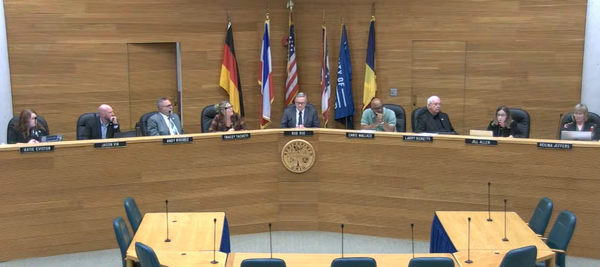
FINDLAY — Despite passionate opposition from residents citing traffic congestion, flooding risks, strained infrastructure and loss of a beloved local landmark, Findlay City Council voted 7-2 on Tuesday to annex the Shady Grove Golf Course property and rezone it for high-density multifamily housing.
The decision on ordinances 2026-059 (annexation) and 2026-060 (M2 multifamily zoning) for the roughly 46-acre site in Marion Township advances plans by an out-of-town developer to build approximately 480 apartment units on the long-time golf course along Township Road 237. Council approved the measures amid repeated public warnings that the project would overwhelm the narrow rural road, exacerbate existing drainage problems and further burden city services already stretched thin.
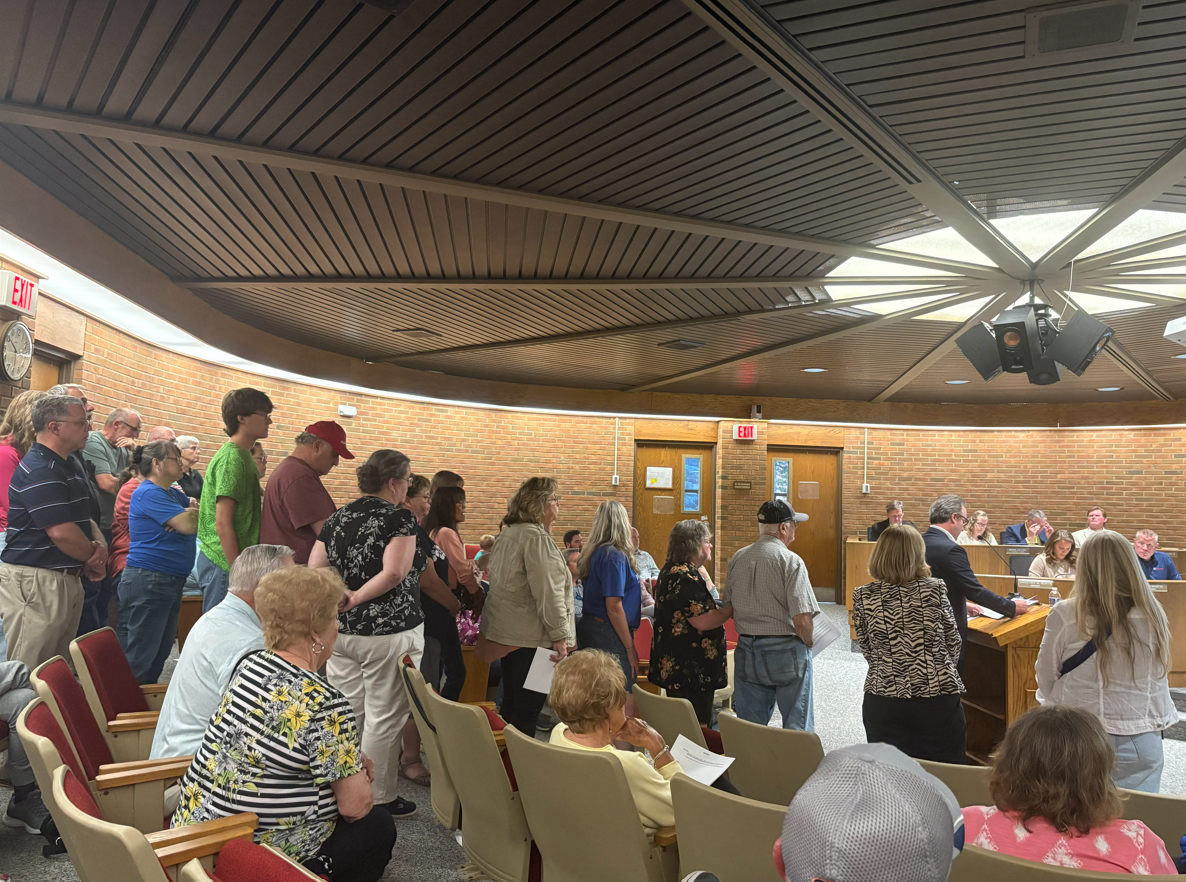
Residents packed the meeting and submitted written communications decrying the move. Linda Diane Hutton, who has lived on Township Road 237 for 22 years, delivered an emotional plea, describing daily safety hazards from existing traffic, repeated flooding in her basement, damaged property and a sense of losing her peaceful community. She invited council members to live in her home for a week to experience the conditions firsthand.
“I no longer feel safe in my own front yard,” Hutton said. She and others argued that adding hundreds of vehicles from nearly 1,000 new residents, assuming two per unit, would create dangerous conditions on the already problematic roadway, which lacks adequate sidewalks and has minimal greenway trail protections.
Roberta (Bobbi) Balser and others echoed these concerns in written statements, pointing to nearby developments already in progress — including 289 additional apartments in Covington Green and Eastern Woods phases — that would compound traffic and infrastructure strain without corresponding improvements. One speaker calculated a potential influx of more than 1,500 new people in the immediate area.
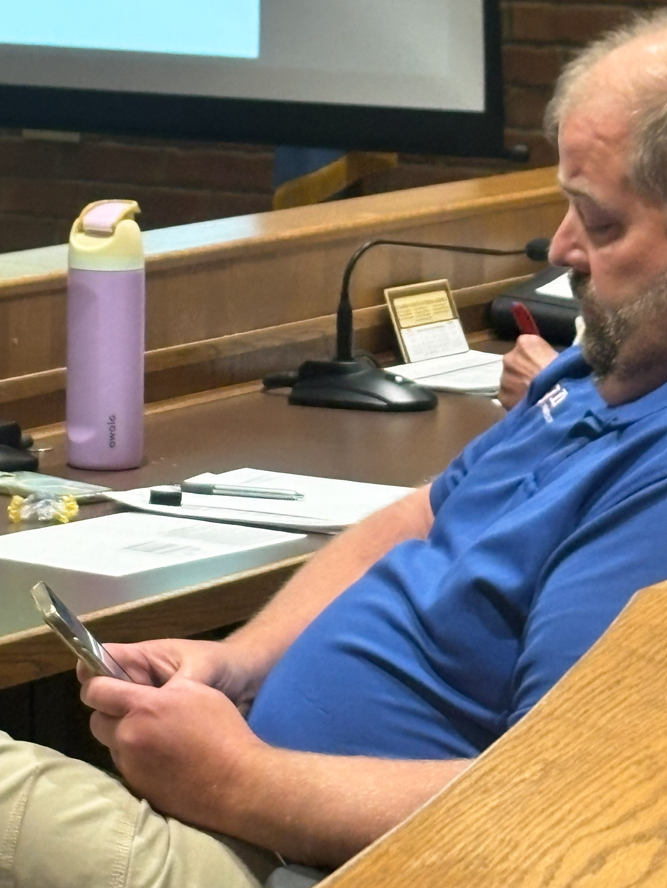
Critics highlighted the loss of Shady Grove Golf Course, a community fixture for over 50 years offering open space and recreation, though some concerns were noted regarding officials attention to those comments.
The rezoning from its current use to M2 high-density multifamily represents a stark transformation of the landscape, replacing fairways and greens with dense apartment blocks. Council members Rodney Phillips and Danny DeLong cast the lone “nay” votes. Phillips raised multiple safety concerns, including insufficient police and fire coverage for a large development far from current stations. He noted that a major structure fire already empties all city fire resources, potentially leaving new residents and the west end of town vulnerable. Phillips also warned about pedestrian safety for children accessing the Lake View Swim and Tennis Club and users of the greenway trail.
DeLong questioned the annexation’s alignment with prior agreements between the city and Marion Township, which he argued emphasized industrial development rather than residential. He cited a 2001 agreement (amended 2016) focused on economic development via industrial parks.
Supporters, including Mayor Christina Muryn, emphasized that the annexation was initiated by the property owner under Ohio’s expedited Type 1 process and that detailed site plan reviews would later address drainage, traffic, buffering and other issues. However, many residents expressed skepticism that such reviews would adequately mitigate impacts on Township Road 237 and surrounding areas already experiencing flooding and congestion.
The votes followed a pattern of council advancing development despite vocal public resistance. Similar tensions have played out elsewhere in Ohio. In Springfield, residents have repeatedly accused officials of prioritizing certain projects over community concerns regarding infrastructure and quality of life. In Perry Village in Lake County, residents mounted strong opposition to proposed large-scale developments, leading to public protests, calls for repeals of zoning changes and debates over whether local government truly represents neighborhood interests over outside developers.
Critics argue this reflects a broader trend: local governments rubber-stamping growth that benefits developers while externalizing costs onto existing residents in the form of higher taxes, strained services and diminished livability. Findlay itself has seen population challenges and workforce reductions at major employers, raising questions about the need for such dense housing. One resident noted the city has experienced an overall population decrease even as apartment construction accelerates.
During the meeting, council also handled routine business, including approvals for bids on city properties, farming leases, material purchases and various infrastructure projects. They accepted revenue estimates for the next fiscal year and heard updates on brownfield remediation and community reinvestment areas. But the Shady Grove discussion dominated, with public commenters and several council members expressing frustration over the pace and process.
Hutton closed her remarks with a poignant reflection, quoting scripture and lamenting the power held by 10 elected officials over long-time residents. Other speakers invoked free speech and accused council of ignoring petitions with hundreds of signatures opposing the M2 zoning.
Council President David Murphy and others presided over the tense session, which adjourned after 7:30 p.m. The annexation and zoning approvals clear the way for further development steps, including site plan reviews, though opponents vow to continue fighting on infrastructure and quality-of-life grounds.
The decision leaves many on Township Road 237 and in Marion Township feeling unheard. As one resident put it, the council’s actions appear to favor progress defined by density and development dollars over the quiet, safe neighborhoods that attracted people to the area in the first place. Whether promised future reviews will prevent the warned-about negative impacts remains to be seen — but for opponents, the vote signaled that their voices carried little weight on this night.